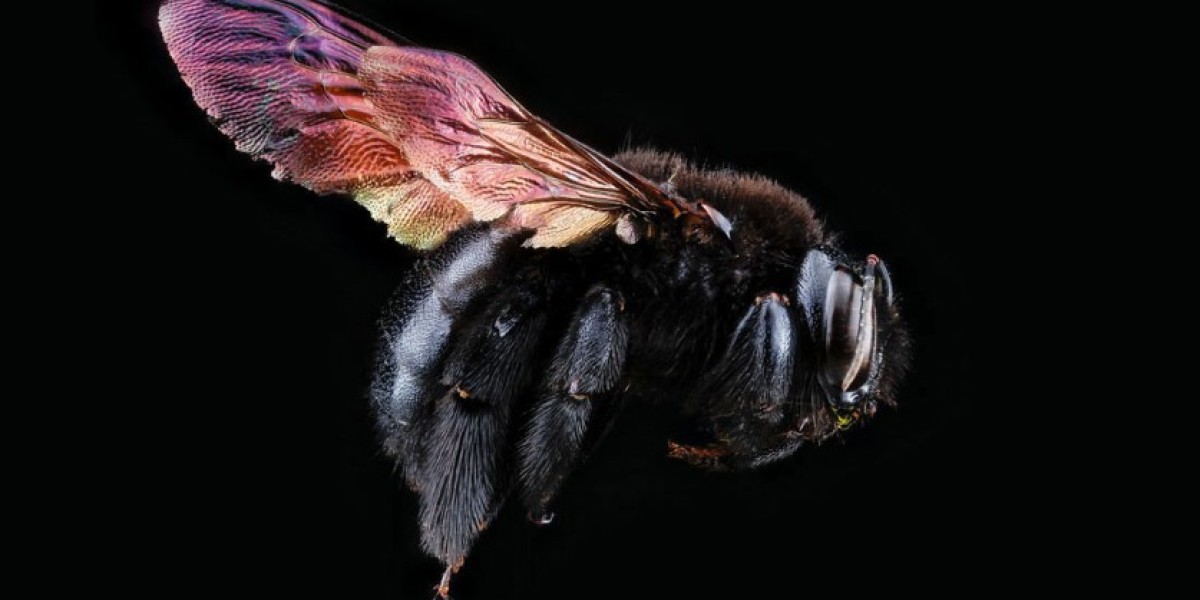

When bees build a swarm or colony near your home, finding a qualified beekeeper can be a safer and more responsible solution than attempting removal yourself. A professional can identify the type of bee, assess the colony's location, and determine whether live relocation is practical. Beekeeping organizations also recommend avoiding DIY removal unless you are an experienced beekeeper.
Why Choose a Beekeeper for Bee Removal?
Honeybees are important pollinators, so relocation may be preferable when circumstances allow. Experienced beekeepers can collect swarms and, in suitable situations, move colonies to managed hives rather than destroying them.
Professional assistance is particularly useful when bees are:
Clustered around a home
Inside a wall or roof
Near doors or walkways
Around trees or balconies
Inside an attic or other cavity
Located in an area with frequent human activity
How to Find a Local Beekeeper
When searching for a beekeeper, look for someone with experience in swarm collection and honeybee relocation. Local beekeeper directories can help connect property owners with people who specifically handle bee removal. The American Beekeeping Federation recommends contacting local beekeepers for unwanted honeybees and cautions against attempting removal without appropriate experience.
You can also provide the beekeeper with useful information before they arrive, including:
A photo of the bees, if safely possible
Approximate swarm size
Where the bees are located
How long they have been there
Whether they are entering a structure
Whether the location is easily accessible
These details can help the beekeeper understand the situation before visiting.
What to Do Before the Beekeeper Arrives
Avoid disturbing the bees. Do not spray them, throw objects at the swarm, or attempt to remove the colony yourself.
Keep children and pets away from the area and provide the beekeeper with safe access to the property. If the bees are inside a building, avoid sealing their entrance unless a professional has advised you to do so.
Swarm vs Established Hive
A temporary swarm may appear as a large cluster hanging from a branch, fence, or exterior structure. An established hive is more likely to involve honeycomb and may be located inside a wall, roof, attic, or other cavity.
The distinction matters because an established colony can require more extensive removal and cleanup. Professional assessment can determine which situation you are dealing with.
FAQs
1. Can a beekeeper remove bees without killing them?
In many cases, honeybee swarms and accessible colonies can be collected and relocated. The feasibility depends on the colony's location and condition.
2. Should I remove a bee swarm myself?
No. Unless you are an experienced beekeeper, professional assistance is recommended.
3. What information should I give the beekeeper?
Provide the location of the bees, approximate swarm size, how long they have been present, and a photo if it can be taken safely.
Conclusion
If you're searching for beekeeper removal near me, choosing an experienced local professional can help protect both people and bees. A qualified beekeeper can assess the colony, determine an appropriate removal method, and relocate honeybees when practical. Staying calm, keeping your distance, and avoiding DIY removal are important first steps.