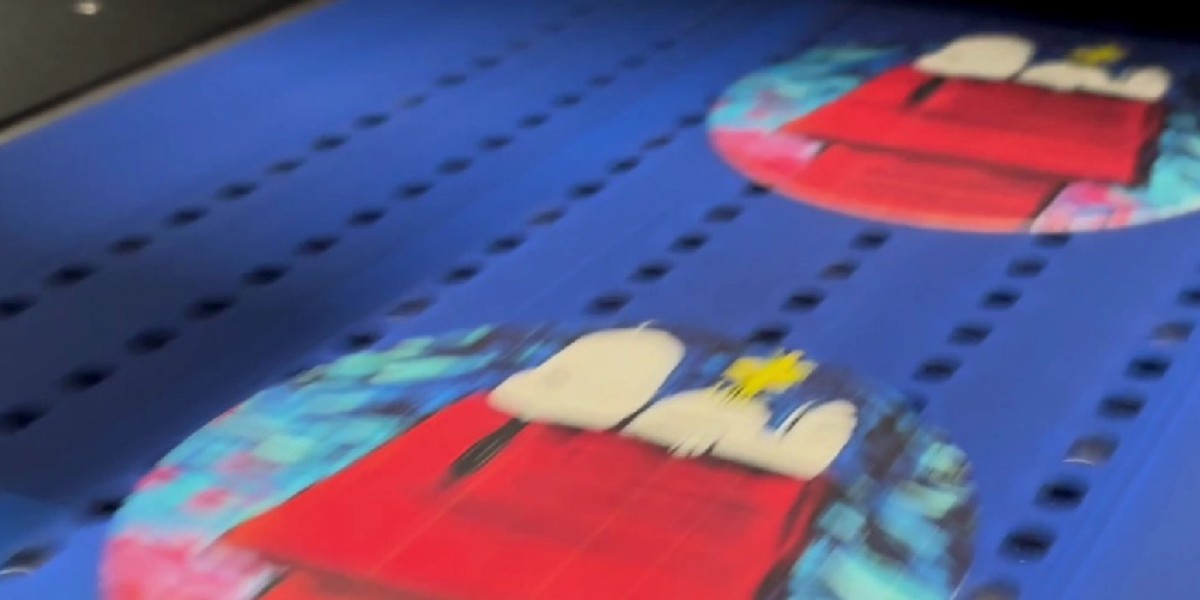

Modern manufacturing and packaging operations increasingly rely on automated cutting technology to produce accurate, repeatable, and customized products. A flatbed laser cutter is one such solution, using a focused laser beam to cut or process materials according to digitally created designs.
From packaging prototypes and signage to industrial components and specialty materials, flatbed laser cutting can provide businesses with a flexible approach to precision cutting.
What Is a Flatbed Laser Cutter?
A flatbed laser cutter is a computer-controlled cutting system that uses a laser to cut, engrave, or mark materials positioned on a flat working surface. The machine follows a digital design file to produce precise shapes and patterns.
Unlike some mechanical cutting systems, laser cutting does not require a physical cutting tool to contact the material. This can allow for intricate designs, clean edges, and rapid changes between different jobs.
How Does Flatbed Laser Cutting Work?
The process typically begins with a digital design created using compatible design or CAD software. The file is transferred to the laser cutting system, where the machine's software converts the design into cutting instructions.
The material is placed on the flatbed, and the laser head moves across the working area according to the programmed pattern. The focused beam generates enough energy to cut, engrave, or mark the selected material.
Settings such as laser power, cutting speed, and focus can be adjusted according to the material and desired result.
Benefits of Flatbed Laser Cutting
High Cutting Precision
Laser technology can produce highly detailed shapes and patterns. This makes it useful for applications where accurate dimensions and intricate designs are important.
Digital Workflow
Because designs are controlled digitally, businesses can move from artwork to production without creating a separate physical cutting tool for every design. This can simplify the production of prototypes and customized products.
Flexible Production
A flatbed system can support different designs and production requirements. Operators can change digital files between jobs, making the technology suitable for businesses handling multiple product variations.
Minimal Tool Wear
Since the laser does not rely on a conventional blade cutting through the material, there is no cutting blade that needs to be sharpened or replaced in the same way as mechanical equipment.
Suitable for Custom Designs
Complex shapes, patterns, openings, and detailed contours can be produced from digital artwork. This flexibility is useful for packaging, signage, displays, prototypes, and specialty products.
Common Applications of Flatbed Laser Cutters
Flatbed laser cutting technology is used in many industries. Depending on the machine configuration, applications can include:
- Packaging prototypes
- Signage
- Displays
- Paper and board products
- Acrylic components
- Wood products
- Textile materials
- Industrial parts
- Promotional products
- Decorative panels
Material compatibility varies between machines, so businesses should always verify the manufacturer's specifications before processing a particular substrate.
Flatbed Laser Cutting for Packaging
Packaging manufacturers can use laser cutting to develop prototypes and customized packaging designs. A digital workflow allows designers to test different structural concepts without necessarily producing a dedicated physical die for every prototype.
This can help shorten the design-to-sample process and make it easier to modify packaging dimensions, cutouts, windows, and other structural elements.
For short production runs, laser cutting can also provide an alternative to conventional tooling, depending on the material and production requirements.
Flatbed Laser Cutter vs. Traditional Die Cutting
Both laser cutting and die cutting have important roles in modern production.
Traditional die cutting uses a physical tool manufactured to a specific shape. Once the die is prepared, it can be highly efficient for producing large quantities of the same design.
Laser cutting works directly from a digital file, which can make it particularly useful for prototypes, customization, intricate designs, and jobs requiring frequent design changes.
The better option depends on production volume, material, design complexity, turnaround requirements, and tooling considerations.
Factors to Consider When Choosing a Flatbed Laser Cutter
Working Area
The size of the cutting bed determines the maximum material dimensions that can be processed in a single operation. Businesses should select a working area that matches their typical production requirements.
Laser Power
Different materials and thicknesses require different levels of laser power. The appropriate specification depends on the materials being processed and the desired cutting speed.
Cutting Speed
Production speed can have a significant effect on overall productivity. Businesses should consider both the machine's rated speed and how efficiently it can handle their specific applications.
Software Compatibility
A reliable digital workflow is essential for laser cutting. Check whether the machine supports the design file formats and software systems used by your production team.
Automation Features
Automatic material handling, positioning, focusing, and other features can reduce manual intervention and improve production efficiency.
Maintenance and Operating Costs
Businesses should evaluate ventilation requirements, consumables, maintenance, replacement components, energy use, and technical support when calculating the total cost of ownership.
Improving Laser Cutting Efficiency
Proper file preparation and material selection can help improve cutting performance. Operators should use appropriate machine settings for each substrate and maintain consistent production procedures.
Regular maintenance is also important. Keeping the cutting system clean and properly calibrated can help maintain cutting quality and reduce avoidable downtime.
For businesses processing multiple jobs, organized digital file management and production scheduling can further improve workflow efficiency.
The Role of Laser Cutting in Modern Manufacturing
Digital manufacturing is increasingly focused on flexibility and shorter production cycles. Laser cutting supports this approach by allowing businesses to move quickly between digital designs without requiring extensive mechanical tooling changes.
This makes flatbed laser systems valuable for prototyping, customization, and production environments where product designs change frequently.
Conclusion
A flatbed laser cutter provides a flexible and precise method for cutting and processing a wide range of compatible materials. Its digital workflow, ability to produce intricate designs, and suitability for customized production make it useful across packaging, signage, manufacturing, and other industries.
When selecting a system, businesses should consider working area, laser power, cutting speed, software compatibility, automation, material requirements, and long-term operating costs. Choosing equipment that fits the intended applications can help improve production efficiency while maintaining consistent cutting quality.