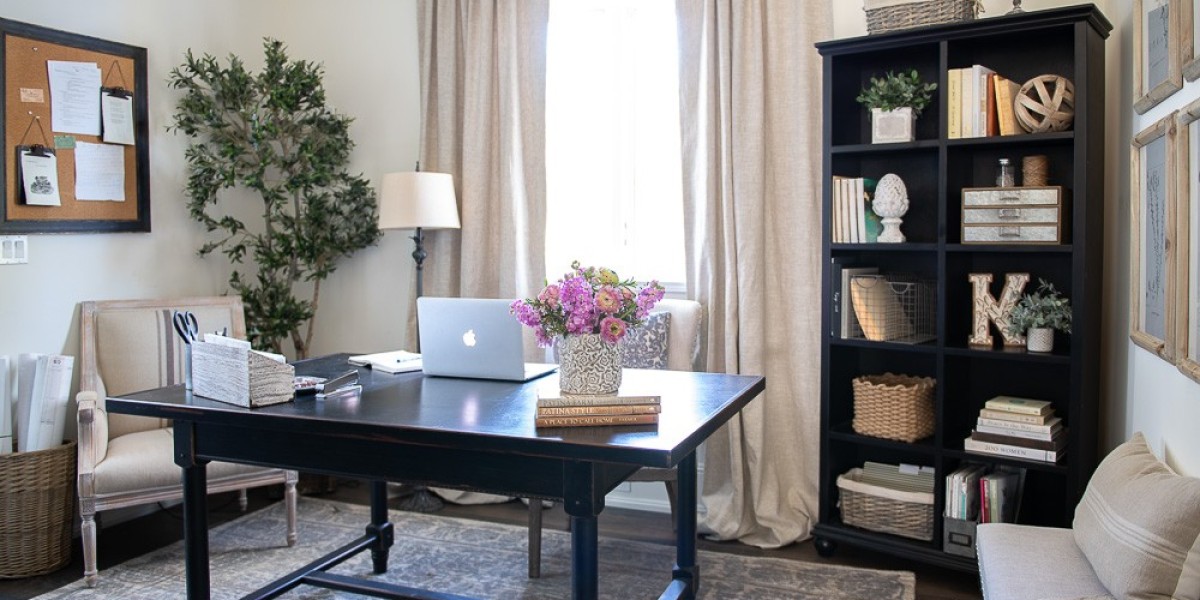

A home office should support focused work while also feeling comfortable enough to spend several hours in each day. When a workspace becomes cluttered, poorly lit, or awkwardly arranged, productivity and comfort can suffer even when the room looks attractive. Effective home office styling brings ergonomics and aesthetics together rather than treating them as separate priorities. A well-planned desk position, comfortable chair, suitable lighting, organized storage, and thoughtful accessories can completely change the character of a workspace. The following step-by-step checklist provides a practical way to turn an untidy office into a functional and polished environment.
Step 1: Clear the Room and Identify What Actually Matters
Begin by removing everything that does not serve a useful purpose or contribute positively to the room. Place unnecessary paperwork, outdated electronics, duplicate supplies, and unused decorative objects into separate groups for recycling, storage, donation, or disposal. Clearing the visual noise makes it much easier to understand what the room actually needs. Do not rush to buy organizers before completing this process because new storage can simply create more places to hide unnecessary items. An organized office starts with thoughtful editing rather than additional furniture.
Once the room is clear, identify the activities that happen there most often. Determine whether the office is used exclusively for computer work or also serves as a reading area, meeting space, creative studio, or occasional guest workspace. These activities should influence furniture placement, storage, lighting, and available surface area. A workspace designed around real habits will generally remain easier to maintain. Function should therefore guide the aesthetic decisions that follow.
Step 2: Choose a Desk Position That Supports Good Posture
Desk placement affects both comfort and the overall visual balance of the room. Position the desk where you have enough space to sit comfortably, move the chair, access storage, and stand up without obstruction. If possible, take advantage of natural daylight while avoiding direct glare on your monitor. Keeping the desk away from heavily trafficked pathways can also reduce interruptions. The right position can make a small office feel more open while improving the practicality of everyday work.
Desk height and working posture deserve particular attention. Your chair, desk, monitor, keyboard, and mouse should work together rather than being selected independently. Ideally, your screen should be positioned so you can work without repeatedly bending your neck downward, while your arms should remain comfortably supported during typing. If your existing desk is not adjustable, accessories such as a monitor stand or keyboard support may help improve positioning. Small ergonomic adjustments can make a substantial difference during long working sessions.
Step 3: Invest in a Supportive Office Chair
A chair is one of the most important purchases in a home office because it directly affects comfort throughout the working day. Look for adjustable features that allow the seat height, back support, and other elements to accommodate your body and desk. The chair should provide stable support without forcing you into an uncomfortable position. If possible, test a chair before purchasing because personal comfort can vary considerably. A visually attractive chair is useful only when it also supports practical working needs.
The chair should also fit the scale and style of the room. Oversized office chairs can make smaller spaces feel crowded, while very compact decorative chairs may not provide adequate support for extended work. Consider the chair's relationship to the desk, rug, lighting, and surrounding furniture. Upholstery, leather, mesh, or other finishes can be selected according to your comfort preferences and maintenance requirements. Combining ergonomic performance with an appropriate silhouette keeps the office both functional and visually cohesive.
Step 4: Improve Lighting for Comfort and Atmosphere
Lighting should be considered an essential part of workspace planning rather than a finishing touch. Natural light can make a room feel more spacious and pleasant, but it needs to be controlled when glare affects your computer screen. Add a task lamp when focused illumination is needed for reading, writing, or detailed work. Ambient lighting can provide a softer atmosphere when overhead fixtures are too harsh. Combining several sources allows you to adapt the room to different times of day and different activities.
The appearance of a light fixture can also contribute to the room's overall aesthetic. Choose a lamp with a shape and finish that complements the desk and other visible furniture without creating unnecessary visual clutter. Wall-mounted lighting can be particularly useful when desk space is limited. Dimmable fixtures provide flexibility for work and relaxation, while warm illumination can make wood and textiles appear more inviting. Good lighting should therefore improve both the practical and decorative qualities of the office.
Step 5: Organize Cables, Paperwork, and Daily Essentials
Visible cables and scattered paperwork can quickly make a carefully designed workspace appear chaotic. Begin by identifying which cables are genuinely necessary and remove or store everything else. Cable clips, sleeves, under-desk channels, and simple ties can help keep cords grouped and positioned safely. Place chargers and frequently used electronics where they are accessible without spreading across the entire desk. A cleaner cable arrangement immediately improves the visual order of the workspace.
Paperwork should have a designated location rather than accumulating in random piles. Use labeled folders, trays, drawers, or closed boxes according to the amount of paperwork you handle. Keep only frequently needed documents within easy reach and archive less important material elsewhere. Desktop accessories should follow the same principle: everyday items remain accessible, while occasional supplies are stored away. This approach creates a cleaner surface without making the office inconvenient to use.
Step 6: Create a Cohesive Color and Material Palette
A limited palette can make an office feel more polished without requiring expensive furniture. Begin with the existing wall, floor, and major furniture colors, then introduce complementary tones through textiles, artwork, lighting, and accessories. Natural wood, neutral upholstery, black accents, muted colors, and warm metallic finishes can work effectively in many contemporary workspaces. Repeating a few materials throughout the room helps different pieces feel connected. The goal is cohesion rather than perfect matching.
Texture can add warmth and depth when the color palette is restrained. A rug, woven basket, linen curtain, leather accessory, ceramic object, or natural wood element can prevent the office from feeling sterile. Avoid introducing too many different textures at once because excessive variety can create visual noise. Instead, choose a few materials that complement one another and distribute them around the room. This gives the office a layered appearance while keeping the design controlled.
Step 7: Add Decorative Furniture and Personal Details Carefully
Once the functional foundation is established, introduce decorative elements that express your personality. Artwork, books, plants, ceramics, photographs, and carefully selected accessories can make a workspace feel more inviting. Avoid filling every shelf and tabletop because negative space helps important objects stand out. Choose pieces that have meaning, useful function, or strong visual appeal rather than purchasing accessories simply to fill empty areas. A curated workspace should look intentional rather than excessively decorated.
Furniture from other parts of the home can also influence the office design. If the workspace is positioned near a dining or living area, repeating materials or finishes can create continuity between zones. Statement dining furniture for example, may share a wood tone, metal finish, or sculptural quality that can inspire complementary office pieces. This does not mean the desk area should look like a dining room. Instead, subtle material relationships can help an open-plan home feel connected without becoming overly coordinated.
Step 8: Use Storage That Supports Your Routine
Storage should be based on what you actually need to keep rather than how much storage furniture you can fit into the room. Closed cabinets are useful for supplies and paperwork that you do not need to see every day. Open shelving can display books and decorative pieces but should be edited regularly to prevent visual clutter. Vertical storage can be particularly effective in compact offices because it uses wall space without occupying valuable floor area. A good storage system should make it easier to put things away immediately after use.
Consider accessibility when organizing shelves and drawers. Items used every day should be within easy reach, while rarely needed supplies can occupy higher or less accessible locations. Group similar items together so you can find them without searching through multiple containers. Labels can be helpful when storage contains numerous small items or documents. An intuitive organization system reduces the temptation to leave things on the desk because returning them to their proper place is simple.
Step 9: Review the Room From Different Angles
After arranging the furniture and accessories, step back and evaluate the office from several viewpoints. Look at the workspace from the doorway, from the chair, and from other parts of the room that are visible throughout the day. Check whether large furniture blocks natural light, whether accessories create visual congestion, and whether the desk area feels balanced. Photographs can sometimes reveal proportion problems that are difficult to notice when standing inside the room. This review stage allows you to make small adjustments before considering the project complete.
Do not be afraid to remove items after seeing the finished arrangement. A room can often become more sophisticated when one or two unnecessary objects are taken away. Adjust artwork heights, reposition lighting, change accessory groupings, or move storage if something feels awkward. The final goal is not maximum decoration but a comfortable balance between functionality and personality. A curated workspace should feel calm enough for focused work while still reflecting the person who uses it.
Step 10: Maintain the Workspace With a Simple Routine
Good organization becomes much easier when maintenance is built into your routine. Spend a few minutes at the end of each workday returning supplies to their designated places and clearing unnecessary items from the desk. Review paperwork regularly so documents do not gradually turn into permanent piles. Dust lighting, shelves, electronics, and furniture according to their materials and care requirements. Small maintenance habits prevent the office from returning to its previous state.
Every few months, reassess whether the room still supports your needs. Work patterns can change, equipment may be replaced, and storage requirements can grow over time. Adjust the furniture arrangement or organization system rather than allowing outdated solutions to create frustration. Ergonomics should also be reviewed if you change your chair, desk, monitor, or computer setup. A home office remains successful when it evolves alongside the person using it.
Final Thoughts on Creating a Curated Home Office
Transforming a cluttered workspace into a polished office does not require a complete renovation or an expensive collection of designer furniture. Start by clearing unnecessary items, establishing an ergonomic workstation, improving lighting, organizing cables, and creating practical storage. Once those essentials are working properly, introduce artwork, textures, plants, and personal objects that make the room feel distinctive. Thoughtful connections with surrounding spaces can also help integrate the office into an open-plan home. The result should be attractive without sacrificing comfort or productivity.
Effective home office styling is ultimately about creating an environment that supports the way you work and live. Prioritize posture, lighting, organization, and accessibility before adding decorative details, then use color, texture, and carefully chosen furniture to create visual personality. Statement dining furniture and other nearby design elements can provide inspiration for materials and shapes without dictating the entire office style. By editing regularly and maintaining simple organizational habits, you can keep the workspace both functional and visually appealing. A well-curated office should feel comfortable, organized, personal, and ready for the demands of everyday work.