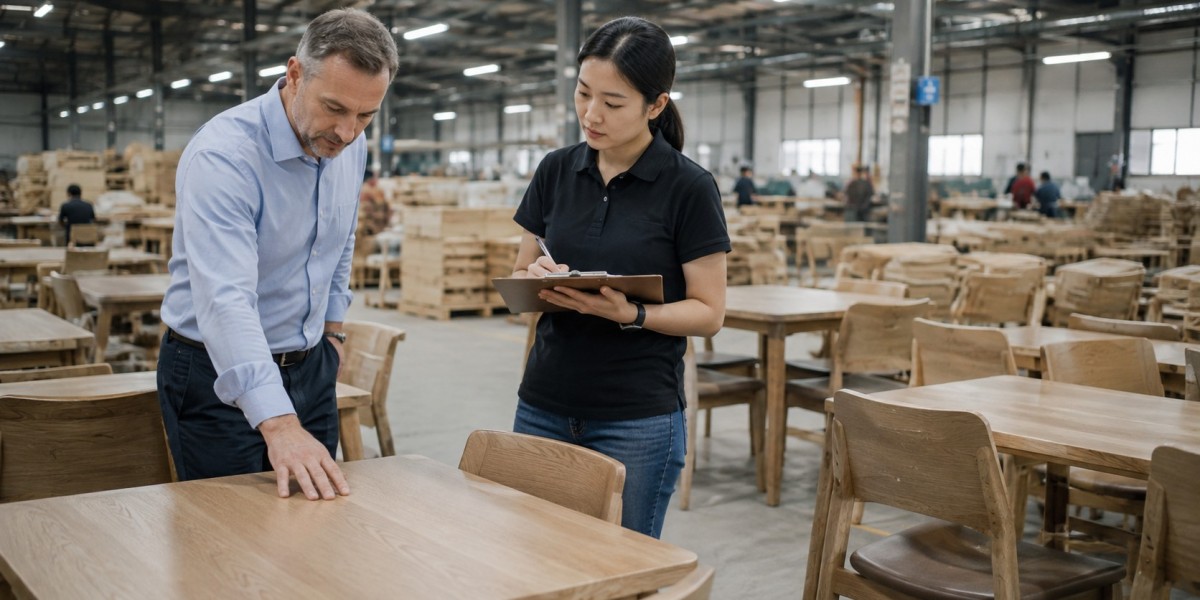

Choosing furniture for a restaurant is about much more than finding attractive chairs, tables, or barstools. Commercial furniture needs to support everyday use, fit the space, complement the dining concept, and remain practical over time. That makes evaluating a restaurant furniture manufacturer an important step before making a purchasing decision.
Whether you are opening a new restaurant, renovating an existing dining area, or furnishing a hospitality project, knowing what separates quality furniture from poorly made products can help you make a more confident choice. The right evaluation focuses on materials, construction, functionality, finish, customization, and the manufacturer's ability to understand commercial requirements.
What Defines Quality Restaurant Furniture?
Quality restaurant furniture should balance appearance, durability, comfort, and functionality. A visually appealing table or chair may look perfect in a showroom, but restaurant environments create demands that residential furniture does not always face.
Start With the Materials
The materials used in furniture have a major influence on its performance. Restaurant tables may use solid wood, engineered wood, laminate, metal, or combinations of different materials. Chairs can be manufactured from wood, steel, aluminum, upholstered components, or other commercial-grade materials.
Instead of judging material quality by appearance alone, consider whether it is appropriate for the intended environment. A busy dining room may require surfaces that are easy to clean and finishes that can handle frequent use. Outdoor dining areas have different requirements because furniture may be exposed to sunlight, moisture, temperature changes, and other environmental conditions.
Ask the manufacturer about the materials used and where they are best suited.
Examine Construction and Joinery
Two pieces of furniture can use similar materials while offering very different levels of quality. Construction methods matter.
For wooden chairs and tables, inspect joints, connections, edges, and overall stability. Loose joints, uneven surfaces, poorly aligned components, or excessive movement can indicate weak construction.
For metal furniture, examine welds, connections, frame alignment, and the overall structure. A well-constructed commercial chair or table should feel stable rather than flexible or poorly balanced.
Whenever possible, request product samples before placing a large order. A sample allows you to evaluate construction with your own hands instead of relying entirely on photographs or descriptions.
Check Surface Finishes Carefully
The finish is both a visual and practical part of restaurant furniture. Tables and chairs are exposed to spills, cleaning routines, food particles, and frequent handling.
Look for smooth, consistent surfaces without obvious rough patches, uneven coating, bubbling, or poorly finished edges. On wooden furniture, pay attention to the consistency of the stain or protective coating. On metal furniture, inspect the coating for even coverage and signs of premature wear.
A quality restaurant furniture manufacturer should be able to explain the finishing options available and their suitability for commercial environments.
Consider Comfort as Part of Quality
Durability matters, but restaurant furniture also needs to provide a comfortable experience.
A dining chair that looks impressive but provides poor support can negatively affect the customer experience. Consider seat height, seat depth, back support, cushioning, armrests, and the relationship between chairs and tables.
For bar areas, stool height and footrest positioning are particularly important. Customers should be able to sit comfortably without feeling cramped.
Comfort should therefore be evaluated alongside construction quality rather than treated as a separate concern.
Evaluate Stability and Weight Distribution
A good restaurant table should remain stable when customers lean against it or when everyday items are placed on its surface. Chairs should sit evenly on the floor without rocking.
For larger furniture pieces, consider how weight is distributed across the frame and base. Table bases, legs, brackets, and structural connections all contribute to stability.
If you are ordering multiple furniture styles, test each model individually. Consistent quality across a collection is especially important for commercial projects.
Look at the Furniture From a Maintenance Perspective
Restaurant furniture needs to fit into a practical cleaning routine. Complicated designs, hard-to-reach areas, delicate finishes, or materials that require specialized maintenance may create unnecessary work for staff.
Ask yourself:
- Is the surface easy to wipe clean?
- Can spills be removed without damaging the finish?
- Are replacement components available if needed?
- Is upholstery appropriate for the expected level of use?
- Can the furniture be moved or rearranged efficiently?
A good furniture choice should work with the restaurant's daily operations rather than create additional maintenance challenges.
Assess Customization Options
Every restaurant has different space requirements and design goals. Standard furniture may work well for some projects, while others require specific dimensions, finishes, materials, colors, or configurations.
When evaluating a manufacturer, find out whether customization is available. Useful options may include different tabletop sizes, finishes, chair materials, frame styles, table bases, or seating configurations.
Customization can be especially valuable when furniture needs to coordinate with a specific interior concept or fit an unusual floor plan.
Review the Manufacturer's Product Range
A manufacturer's product range can reveal how well it understands commercial dining requirements. Look for a balanced selection of restaurant tables, dining chairs, barstools, table tops, bases, and other hospitality furniture.
A broad product selection can also make it easier to maintain a consistent design throughout different areas of a restaurant, from the main dining room to the bar or outdoor seating area.
However, product variety should not be the only consideration. A large catalog does not automatically mean better quality. Focus on whether the products meet your practical requirements.
Ask About Production and Quality Control
A professional restaurant furniture manufacturer should be able to provide clear information about its products and production standards.
You can ask questions such as:
- What materials are used in the furniture?
- How are the frames and joints constructed?
- What finishes are available?
- Which products are designed for indoor or outdoor use?
- Can furniture be customized?
- What quality checks are performed before shipping?
- What information is available for installation and care?
Clear answers can help you understand how seriously a manufacturer approaches product quality.
Compare Samples Instead of Comparing Photos Alone
Online photographs are useful for narrowing down options, but they cannot show every detail. Lighting can change the appearance of colors, while photographs may not reveal the weight, texture, stability, or construction of a product.
If the project is significant, compare physical samples from shortlisted manufacturers. Place the samples side by side and evaluate their materials, finish, comfort, construction, and overall feel.
This simple process can reveal differences that are difficult to identify online.
Consider Consistency for Larger Orders
Quality is particularly important when purchasing furniture in larger quantities. One excellent sample is not enough if the delivered products vary significantly in finish, dimensions, or construction.
Before ordering, discuss production consistency and specifications with the manufacturer. Written product specifications can help ensure that the final order matches the agreed requirements.
Consistency matters not only for appearance but also for installation, spacing, and day-to-day restaurant operations.
Balance Quality With the Total Cost
The lowest purchase price does not necessarily represent the best value. Restaurant furniture is an operational investment, so consider the relationship between initial cost, expected use, maintenance, replacement needs, and design longevity.
A less expensive chair that requires frequent replacement may ultimately cost more than a better-built option. Similarly, a table with a finish that is difficult to maintain can increase ongoing labor and maintenance requirements.
The goal is not simply to buy the most expensive furniture. It is to select products that provide the right combination of quality, functionality, appearance, and value for the project.
About AMKO Group
AMKO Group provides restaurant furniture solutions for commercial dining environments, with products covering key furniture categories used in restaurants and hospitality spaces. When evaluating its offerings, buyers can consider the same practical factors discussed above, including materials, construction, design, functionality, and suitability for their specific project.
For restaurant owners, designers, and hospitality professionals, taking time to understand these details can make furniture selection more straightforward and help ensure that the final choices support both the dining experience and everyday operations.
Final Thoughts
Evaluating a restaurant furniture manufacturer should go beyond comparing prices and product photographs. Look closely at materials, construction, finishes, comfort, stability, maintenance requirements, customization, and production consistency.
The best choice is one that matches the demands of your restaurant rather than simply looking good in a catalog. By asking practical questions, inspecting samples, and considering long-term value, you can make a furniture decision based on quality and suitability—not appearance alone.