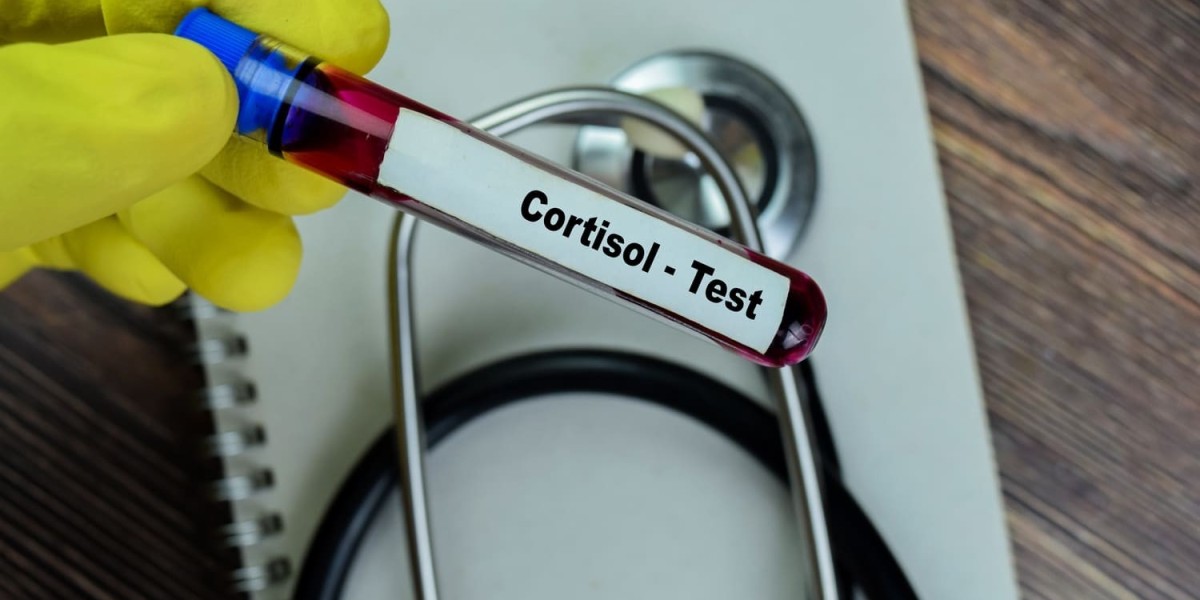

Dizziness and weakness are common symptoms, but when they persist or appear together, they deserve careful attention. They can result from dehydration, anemia, low blood pressure, medication effects, infections, blood sugar changes, sleep problems, and many other conditions. In some situations, however, dizziness and weakness can be associated with low cortisol or impaired adrenal function.
This is one reason a healthcare professional may consider a Cortisol Blood Test Dubai.
Cortisol is an essential hormone produced by the adrenal glands. It helps maintain blood pressure, blood glucose, metabolism, and the body's response to physical stress. When cortisol production is too low, a person may develop symptoms such as fatigue, muscle weakness, dizziness, low blood pressure, nausea, and unexplained weight loss.
But dizziness or weakness alone does not mean cortisol is abnormal. The decision to perform a cortisol test depends on the complete clinical picture.
Why Are Dizziness and Weakness Linked With Cortisol?
Cortisol supports several processes that help the body function during everyday activity and physical stress.
One important role is helping maintain blood pressure and cardiovascular function. Cortisol also contributes to glucose regulation and helps the body respond appropriately to illness or other physiological demands.
When cortisol production is insufficient, these processes can be affected.
This may contribute to:
- Persistent fatigue
- Muscle weakness
- Dizziness
- Low blood pressure
- Lightheadedness when standing
- Reduced appetite
- Weight loss
- Nausea
- Abdominal discomfort
These symptoms are not specific to adrenal disorders, which is why further assessment is often necessary.
When Does Dizziness Make Cortisol Testing More Relevant?
Dizziness becomes more concerning for possible adrenal insufficiency when it occurs alongside other characteristic symptoms.
For example, a person may experience dizziness when standing up, persistent weakness, unexplained weight loss, reduced appetite, nausea, and low blood pressure.
This combination may prompt a healthcare professional to investigate adrenal insufficiency, a condition in which the body does not produce enough cortisol.
Primary adrenal insufficiency can occur when the adrenal glands themselves are damaged. Secondary or central adrenal insufficiency can occur when the pituitary gland does not provide adequate ACTH stimulation to the adrenal glands.
The underlying cause matters because additional testing may be needed to determine where the problem originates.
What Is Adrenal Insufficiency?
Adrenal insufficiency occurs when the body does not produce sufficient amounts of adrenal hormones, particularly cortisol.
In primary adrenal insufficiency, the adrenal glands are unable to produce enough cortisol. In central forms, reduced ACTH production can result in inadequate stimulation of otherwise functioning adrenal glands.
Possible symptoms include:
- Chronic fatigue
- Muscle weakness
- Dizziness
- Low blood pressure
- Weight loss
- Loss of appetite
- Nausea or vomiting
- Abdominal pain
- Salt cravings
- Low blood glucose in some circumstances
- Skin darkening in certain cases of primary adrenal insufficiency
The symptoms may develop gradually, making them easy to attribute to stress, lack of sleep, or other common causes.
What Does a Cortisol Blood Test Check?
A serum cortisol test measures the concentration of cortisol in the bloodstream at the time the blood sample is collected.
The test is relatively straightforward, but interpreting it requires attention to timing.
Cortisol follows a natural daily rhythm. In people with a typical daytime sleep schedule, levels are generally higher in the morning and lower later in the day.
Therefore, the same cortisol concentration can have different clinical meanings depending on when the blood was drawn.
When adrenal insufficiency is suspected, an early morning cortisol measurement is commonly considered because cortisol should normally be relatively high at that time.
The Endocrine Society recommends morning serum cortisol measurement at approximately 8 to 9 AM as an initial approach in certain evaluations of central adrenal insufficiency.
Why a Single Cortisol Test May Not Be Enough?
A cortisol blood test provides a snapshot rather than a complete picture of adrenal function.
If the result is clearly abnormal, the doctor may investigate further.
If the result is in an uncertain range, additional testing may be needed to determine whether the adrenal glands are responding appropriately.
The Endocrine Society guidance notes that morning cortisol values in an intermediate range may require further evaluation rather than being used alone to confirm or exclude adrenal insufficiency.
This is why you should not attempt to diagnose adrenal insufficiency from one cortisol number.
The ACTH Stimulation Test:
An ACTH stimulation test may be used when adrenal insufficiency is suspected.
ACTH is the hormone responsible for stimulating the adrenal glands to produce cortisol.
During an ACTH stimulation test, cortisol is measured before and after synthetic ACTH is administered.
The response helps determine whether the adrenal glands can produce an appropriate increase in cortisol.
The Endocrine Society recommends the standard-dose corticotropin stimulation test as a preferred confirmatory test when primary adrenal insufficiency is suspected and testing is appropriate.
What If the Cortisol Level Is Low?
A low morning cortisol result can raise suspicion for adrenal insufficiency, especially when it fits the person's symptoms.
However, a low result does not automatically establish a diagnosis.
Your healthcare professional may consider:
- The exact cortisol concentration
- Collection time
- Laboratory reference range
- ACTH level
- Medication history
- Recent illness
- Sleep schedule
- Symptoms and physical findings
A clearly low result may require prompt follow-up, while an uncertain result may lead to additional testing.
The goal is to determine whether cortisol production is genuinely inadequate rather than reacting to one isolated laboratory value.
Could Something Other Than Cortisol Cause Dizziness and Weakness?
Absolutely.
Dizziness and weakness are extremely nonspecific symptoms.
Common causes can include:
Dehydration:
Not drinking enough fluid or losing fluid through vomiting, diarrhea, sweating, or illness can reduce circulating blood volume and cause dizziness.
Low blood pressure:
Blood pressure that drops significantly, especially after standing, can cause lightheadedness and weakness.
Anemia:
Low red blood cell or hemoglobin levels can reduce oxygen delivery to tissues and contribute to fatigue and weakness.
Low blood sugar:
Hypoglycemia can cause shakiness, weakness, dizziness, sweating, confusion, and other symptoms.
Thyroid disorders:
Both an underactive and overactive thyroid can produce fatigue, weakness, and other systemic symptoms.
Medication effects:
Blood pressure medicines, sedatives, diuretics, and other medications can sometimes contribute to dizziness or weakness.
Sleep deprivation:
Poor sleep can cause significant daytime fatigue and difficulty concentrating without any adrenal disorder.
Because there are so many possible causes, doctors typically evaluate the entire clinical picture before deciding whether cortisol testing is appropriate.
Can Stress Affect a Cortisol Blood Test?
Yes.
Cortisol is involved in the body's response to physical and psychological stress.
Acute illness, pain, injury, intense exercise, and emotional stress can all influence cortisol production.
This does not necessarily mean the test is inaccurate. Instead, the result may reflect the body's normal response to the circumstances surrounding the blood draw.
If you were seriously unwell, experiencing significant stress, or had major sleep disruption before testing, tell your healthcare professional.
Can Medication Change the Result?
Medication history is essential when evaluating cortisol.
Corticosteroids can suppress the body's natural cortisol production and complicate the assessment of adrenal function.
Examples include:
- Prednisone
- Prednisolone
- Hydrocortisone
- Dexamethasone
- Methylprednisolone
Steroids may be taken as tablets, injections, inhalers, creams, or other preparations.
Other medications may also influence cortisol metabolism or laboratory interpretation.
Never stop prescribed corticosteroids without medical advice. Sudden withdrawal after prolonged use can cause serious problems.
What Happens After a Cortisol Blood Test?
The next step depends on the result and the reason the test was ordered.
If the result is reassuring:
Your doctor may consider other possible causes of dizziness and weakness, particularly if symptoms continue.
If the result is low:
Additional evaluation for adrenal insufficiency may be appropriate. This can include ACTH measurement and an ACTH stimulation test.
If the result is borderline:
Your doctor may repeat testing under appropriate conditions or use another test to clarify adrenal function.
If the clinical picture is complicated:
An endocrinologist may become involved, particularly when adrenal or pituitary disease is suspected.
The objective is to connect the laboratory result with the symptoms rather than treating the number alone.
When Should Dizziness and Weakness Be Treated as Urgent?
Persistent dizziness and weakness should be medically assessed when they are unexplained or worsening.
Urgent medical attention is particularly important if symptoms include:
- Fainting
- Severe weakness
- Persistent vomiting
- Confusion
- Severe dehydration
- Very low blood pressure
- Severe abdominal pain
- Significant deterioration during an illness
A severe cortisol deficiency can lead to adrenal crisis, which is a medical emergency.
Someone with known or suspected adrenal insufficiency who develops severe symptoms during an infection, injury, surgery, or other major physical stress requires prompt medical care.
How Doctors Decide Whether You Need a Cortisol Test?
A cortisol blood test is more likely to be considered when several clues point toward adrenal dysfunction.
Your doctor may review:
Symptoms: Are dizziness and weakness accompanied by weight loss, low blood pressure, nausea, or appetite changes?
Timing: Do symptoms occur consistently or mainly when standing?
Medical history: Is there a history of autoimmune disease, pituitary problems, adrenal disease, or prolonged steroid treatment?
Medication: Could current or previous corticosteroid use affect adrenal function?
Physical findings: Are there signs such as low blood pressure or skin pigmentation changes?
Laboratory results: Do electrolyte or glucose abnormalities provide additional clues?
This structured evaluation helps distinguish possible adrenal disease from more common causes of dizziness.
Frequently Asked Questions:
Can a cortisol blood test diagnose the cause of dizziness?
It can help investigate adrenal insufficiency when the symptoms and medical history suggest it, but it cannot identify every cause of dizziness.
Is weakness a symptom of low cortisol?
Yes. Muscle weakness and persistent fatigue can occur with adrenal insufficiency, particularly when accompanied by other characteristic symptoms.
Should everyone with dizziness have a cortisol test?
No. Dizziness has many common causes, and cortisol testing is generally considered when there are additional reasons to suspect adrenal dysfunction.
What time is a cortisol blood test usually taken?
When adrenal insufficiency is being investigated, an early morning sample is commonly used because cortisol is normally higher in the morning.
What happens if my cortisol level is low?
Your doctor may review the result and consider ACTH testing or an ACTH stimulation test to determine whether adrenal function is impaired.
Can stress cause dizziness without an adrenal disorder?
Yes. Stress can affect blood pressure, breathing, sleep, hydration, and other physiological processes, all of which can contribute to dizziness.
The Bottom Line:
A cortisol blood Lab tests for dizziness and weakness may be appropriate when these symptoms occur alongside signs that suggest adrenal insufficiency, such as low blood pressure, unexplained weight loss, reduced appetite, nausea, persistent fatigue, or muscle weakness.
However, dizziness and weakness are common symptoms with many possible explanations. Dehydration, anemia, blood sugar changes, thyroid disorders, medication effects, sleep problems, and low blood pressure may all cause similar complaints.
Because cortisol naturally changes throughout the day, the timing of the blood sample is important. A single result may provide useful information but may not be enough to confirm or exclude an adrenal disorder. Depending on the findings, a healthcare professional may recommend ACTH testing, an ACTH stimulation test, repeat cortisol measurement, or other investigations.
If dizziness and weakness are persistent, worsening, or accompanied by fainting, severe vomiting, confusion, very low blood pressure, or profound weakness, seek medical evaluation promptly.
The key is to treat the cortisol test as one part of a complete diagnostic assessment. When the symptoms, medical history, examination, and laboratory findings point in the same direction, cortisol testing can help doctors determine whether adrenal function may be contributing to unexplained dizziness and weakness.