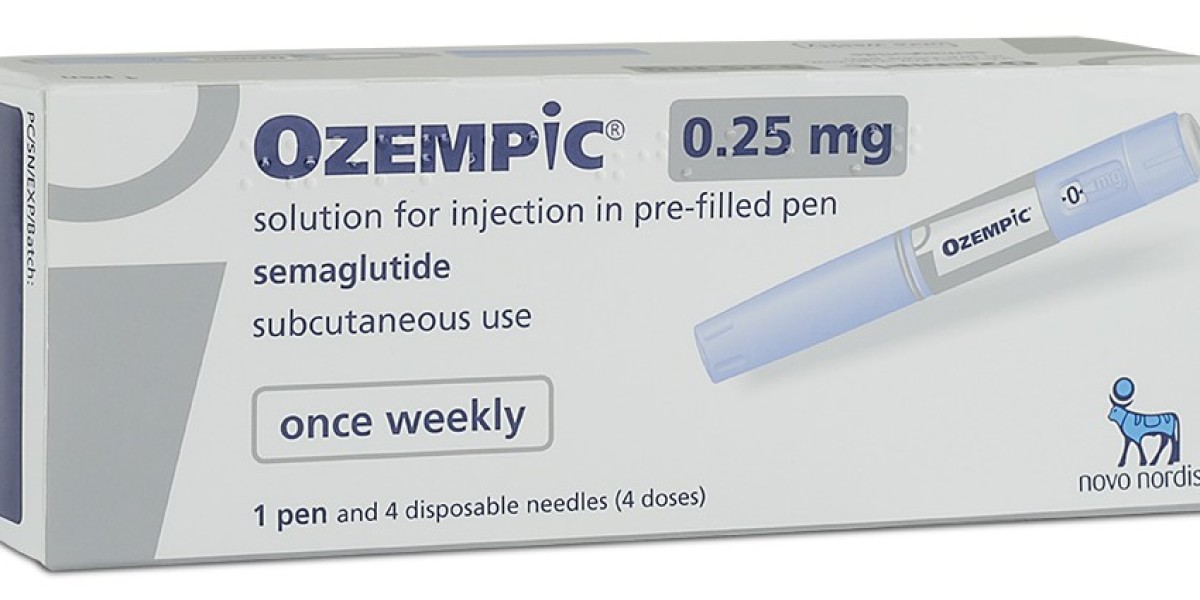

Food choices can become an important part of daily routine when using Ozempic injection in Dubai. Since semaglutide can affect appetite and digestion, some people find that their usual eating patterns change during treatment. Rather than following an extreme diet, focusing on nutritious meals and sensible portions can make everyday eating more manageable.
Ozempic is indicated for specific adults with type 2 diabetes as an adjunct to diet and exercise. The medication may influence appetite and food intake, but maintaining adequate nutrition remains important throughout treatment.
Build Meals Around Nutrient-Dense Foods
When appetite becomes lower, the nutritional quality of each meal can become more important. Instead of filling meals with foods that provide many calories but relatively few nutrients, choose ingredients that provide protein, fiber, vitamins, and minerals.
Eggs, fish, poultry, beans, lentils, vegetables, whole grains, nuts, seeds, and appropriate dairy options can all contribute useful nutrients.
A smaller meal can still be nutritionally satisfying when it contains a good combination of different food groups.
Focus on Appropriate Portions
Semaglutide can affect feelings of fullness, so large portions may become less comfortable for some people. Paying attention to hunger and fullness signals can help prevent unnecessary overeating.
Rather than forcing yourself to finish a large plate, consider starting with a moderate portion and eating slowly. If you feel comfortably satisfied, there may be no need to continue eating simply because food remains.
This approach can also make meals more enjoyable during periods when appetite is changing.
Choose Protein-Rich Options
Protein can be useful when appetite is reduced because it provides important nutrients while helping create satisfying meals.
Depending on dietary preferences, options can include eggs, chicken, fish, lean meat, lentils, beans, Greek-style yogurt, cottage cheese, tofu, or other protein-rich foods.
A balanced eating pattern should provide enough protein without becoming excessively restrictive.
Increase Fiber Gradually
Vegetables, fruits, legumes, and whole grains provide dietary fiber, which supports digestive health and can contribute to feelings of fullness.
However, suddenly increasing fiber intake can cause bloating or digestive discomfort, particularly if your usual diet is low in fiber.
A gradual increase combined with adequate fluid intake may be easier to tolerate.
Stay Hydrated Throughout the Day
Drinking enough fluids is an important part of maintaining general health. Hydration becomes particularly relevant if nausea, vomiting, or diarrhea occurs during treatment because these symptoms can contribute to fluid loss.
Water is a simple everyday option, while other appropriate non-alcoholic beverages can contribute to fluid intake.
Instead of waiting until you feel very thirsty, spreading fluids throughout the day can make hydration easier to maintain.
Be Careful With Very Heavy Meals
Large, greasy, or highly rich meals may be uncomfortable for some people taking semaglutide. Since the medication can delay gastric emptying, eating a very large meal may contribute to feelings of fullness, bloating, or nausea.
This does not mean that every individual must completely eliminate particular foods. Instead, noticing which meals cause discomfort can help you make more suitable choices.
Smaller portions and slower eating may be more comfortable for some people.
Limit Excessively Sugary Foods
For people using Ozempic for type 2 diabetes, controlling overall carbohydrate quality and added sugar intake can support better dietary management.
Sugary drinks, sweets, and highly processed snacks can provide substantial calories without offering much nutritional value. Replacing some of these choices with fruit, vegetables, whole grains, or protein-rich snacks can create a more balanced pattern.
Dietary changes should remain practical enough to maintain over time.
Do Not Rely on Extreme Calorie Restriction
A reduced appetite does not mean that eating as little as possible is beneficial. Extremely low food intake can make it harder to obtain adequate protein, vitamins, minerals, and other nutrients.
The objective should be better-quality nutrition rather than simply reducing the amount of food consumed.
If appetite becomes unusually low or eating becomes difficult, the situation should be discussed with an appropriate healthcare professional.
Eat Slowly and Pay Attention to Fullness
Slowing down during meals can make it easier to recognize when you are becoming satisfied.
Taking smaller bites, chewing thoroughly, and allowing time between portions can reduce the tendency to eat beyond comfortable fullness.
This can be especially useful when semaglutide has changed the way hunger and satiety feel.
Plan Simple Meals for Busy Days
A demanding schedule can make healthy eating more difficult. Keeping practical foods available can reduce dependence on highly processed convenience meals.
Simple combinations such as grilled protein with vegetables, lentils with whole grains, eggs with whole-grain toast, or yogurt with fruit and nuts can provide balanced options without requiring complicated preparation.
Meal planning does not need to be elaborate to be useful.
Foods and Drinks That May Cause Discomfort
There is no universal list of foods that everyone taking Ozempic must avoid. Individual tolerance can vary.
Some people may find that very fatty meals, large portions, excessive alcohol, or heavily spiced foods worsen digestive discomfort. Paying attention to personal reactions can help identify foods worth limiting.
Alcohol may also affect blood glucose management and can contribute to dehydration, so moderation and individual medical considerations are important.
Do Not Stop Eating Because Appetite Is Lower
Reduced appetite can be one of the effects associated with semaglutide, but the body still requires adequate nutrition.
If meals become consistently difficult, concentrating on smaller, nutrient-rich portions may be more practical than skipping food altogether.
Persistent nausea, vomiting, or difficulty maintaining adequate food and fluid intake should be addressed rather than simply accepted as part of treatment.
Combine Nutrition With Regular Movement
Diet is only one part of metabolic health. Appropriate physical activity can support cardiovascular fitness, muscle function, insulin sensitivity, and overall wellbeing.
A combination of aerobic movement and resistance-based activity may be useful when suitable for the individual.
The most effective routine is generally one that can be maintained consistently rather than an intense program that is difficult to continue.
Diet Goals Should Match the Reason for Treatment
People using Ozempic for type 2 diabetes may have different nutritional priorities from someone using another semaglutide product for an approved weight-management indication.
This is why there is no single “Ozempic diet” that applies to everyone.
Your eating pattern should reflect your health requirements, nutritional needs, medication regimen, and personal goals.
Creating a Sustainable Eating Pattern
The most useful dietary changes are often the ones that can continue beyond the initial treatment period. Instead of eliminating entire food groups without a clear reason, focus on balance, portion awareness, nutrient quality, and consistency.
Small changes can become easier to maintain when they fit naturally into everyday meals and cultural food preferences.
Ozempic injection in Dubai can be part of a broader approach to managing type 2 diabetes, but medication and nutrition work best when considered together.
For individuals exploring semaglutide treatment and looking for information about maintaining appropriate nutrition during therapy, TAJMEELS CLINIC can provide information about available treatment approaches and related considerations.