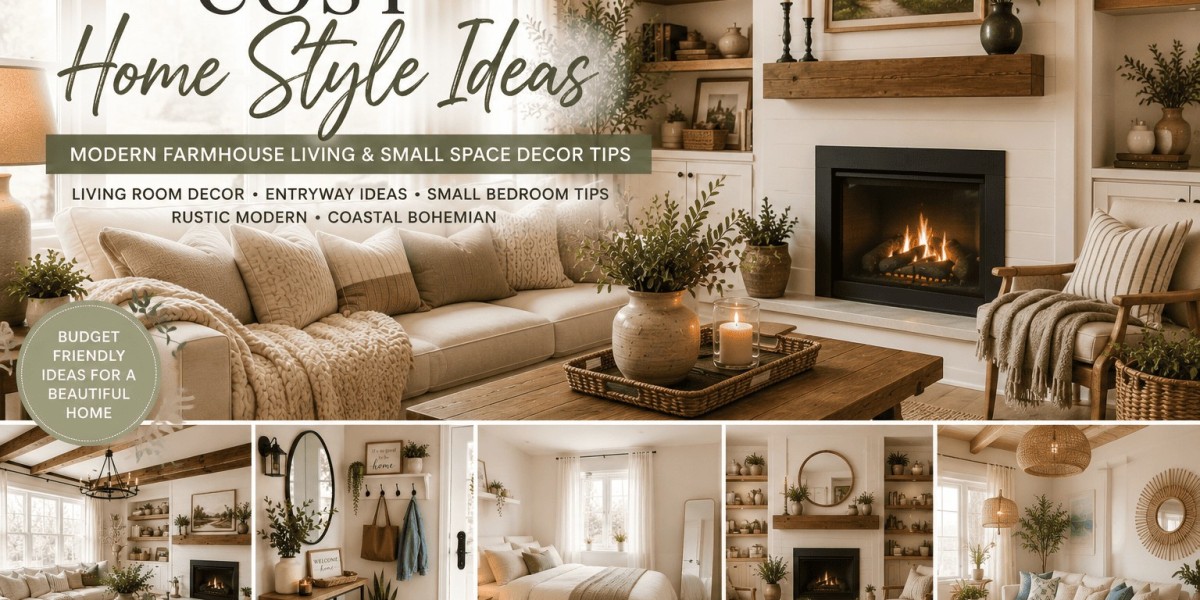

A stylish and comfortable lifestyle often begins with creating surroundings that are both practical and visually appealing. Rustic modern interior design is a beautiful approach for homeowners who want to combine the warmth of natural materials with the clean and sophisticated appearance of contemporary spaces. This style works particularly well because it does not require choosing between traditional charm and modern simplicity. Instead, it brings the two together through carefully selected furniture, textures, colors, and decorative elements. Natural wood can be used for flooring, ceiling beams, coffee tables, dining tables, shelves, and cabinets, while stone can introduce a strong organic element through fireplaces, walls, countertops, or flooring. These materials can be softened with linen curtains, cotton cushions, wool throws, leather seating, jute rugs, and woven baskets. Neutral colors such as cream, beige, taupe, warm white, soft gray, brown, and muted green can create a calm foundation, while black or charcoal accents can add contemporary contrast. Large windows and natural lighting can make these earthy materials appear brighter and more inviting, while indoor plants can add freshness and a connection to nature. Modern lighting fixtures, simple artwork, and uncluttered furniture can keep the overall look sophisticated. The most successful spaces avoid excessive decoration and instead focus on quality, texture, proportion, and functionality. A combination of an old wooden table, modern chairs, soft textiles, and contemporary lighting can create a room that feels collected, personal, and timeless rather than overly traditional or overly minimalist.
A welcoming living room can become the heart of a home when it is designed around comfort, warmth, and everyday functionality. A farmhouse living room is particularly suitable for creating this atmosphere because farmhouse-inspired interiors naturally emphasize relaxed furniture, natural materials, soft colors, and personal details. A comfortable sofa in cream, beige, oatmeal, or another neutral shade can provide a foundation for the seating area, while textured cushions and soft throws can make the space feel inviting. A wooden coffee table can add rustic character, while a large rug can define the seating area and provide warmth underfoot. Woven baskets can be used for storing blankets, books, toys, and magazines, allowing practical storage to become part of the decoration. Wooden side tables, ceramic vases, framed artwork, indoor plants, and vintage-inspired accessories can add personality without making the space feel crowded. A fireplace can become an attractive focal point, but a large piece of artwork, a wooden console, or a built-in shelving unit can also anchor the room when a fireplace is not available. Lighting is another important consideration, and a combination of natural daylight, pendant lights, floor lamps, and table lamps can create different moods throughout the day. For a truly comfortable atmosphere, furniture should be arranged so that people can easily talk and interact rather than simply facing a television. Family photographs, books, handmade decorations, and meaningful objects can make the space feel authentic and lived-in. The objective is to create a room that looks beautiful but also works naturally for everyday activities such as relaxing, entertaining guests, reading, watching movies, enjoying coffee, or spending quality time with family.
The beauty of rustic modern interior design becomes especially noticeable when contrasting materials and textures are carefully combined. Instead of filling a room with furniture from one specific design period, homeowners can mix contemporary shapes with traditional materials to create visual interest. For example, a modern sofa with clean lines can be placed beside a reclaimed wooden coffee table, while a sleek black metal lamp can stand next to a rustic cabinet. A stone feature wall can provide an architectural focal point, while linen curtains, woven rugs, leather furniture, and knitted blankets can soften the harder surfaces. The combination of different textures is particularly valuable when using neutral colors because it prevents the room from appearing flat or boring. Wood provides warmth, stone provides strength, metal adds a modern edge, and fabrics introduce softness. These materials can be repeated in small details throughout the room so that the design feels connected. For instance, black metal can appear in lighting, cabinet handles, and picture frames, while warm wood tones can be repeated in furniture and accessories. Plants can introduce another natural element while adding color and movement. Decorative objects should be selected carefully rather than placed everywhere, because too many accessories can make even a large room feel cluttered. A few meaningful pieces of artwork, handcrafted pottery, books, candles, or sculptural objects can have a stronger effect than numerous small decorations. Lighting should also be layered to highlight different areas and create depth. Natural light can be emphasized during the day, while warm artificial lighting can make the room feel intimate in the evening. This balanced combination of organic materials, modern furniture, warm colors, and carefully selected accessories creates a sophisticated atmosphere that remains comfortable enough for everyday living.
Designing a farmhouse living room also requires attention to storage and organization because a comfortable family space needs to accommodate many everyday belongings. Blankets, cushions, books, toys, electronics, magazines, and other items can quickly make a room appear untidy if there is no practical place to store them. Woven baskets are an attractive solution because they fit naturally into farmhouse décor while providing convenient storage. Wooden cabinets, sideboards, built-in shelves, storage ottomans, and benches can provide additional space while maintaining the overall aesthetic. Furniture should be selected according to the size of the room so that the space remains easy to move through. A large living room can accommodate a sectional sofa, accent chairs, side tables, and multiple seating zones, while a smaller room may benefit from a compact sofa, multifunctional ottoman, nesting tables, and wall-mounted shelving. Soft neutral colors can make smaller rooms appear more spacious, while natural wood and textured fabrics can prevent them from feeling cold. Windows should be kept relatively simple so that natural light remains a major feature, although linen or cotton curtains can provide softness and privacy. Seasonal decorations can also be introduced without completely changing the room. Fresh flowers, light-colored cushions, and lightweight throws can brighten the space during warmer months, while chunky blankets, deeper earthy colors, candles, and textured accessories can create a cozy feeling during colder seasons. Personal details are particularly important in farmhouse decorating because the style should feel genuine rather than copied from a showroom. Family photographs, old books, handmade pottery, travel souvenirs, inherited furniture, and other meaningful items can give the room character. By combining practical storage with comfortable seating and natural materials, homeowners can create a living room that feels relaxed, organized, welcoming, and suitable for real family life.
The principles of simplicity and thoughtful selection can also be applied to fashion through a well-planned capsule wardrobe checklist. A capsule wardrobe focuses on versatile clothing that can be mixed and matched to create numerous outfits without requiring an overcrowded closet. The purpose is not necessarily to own the smallest possible number of garments but to ensure that the clothes you own are useful, comfortable, coordinated, and appropriate for your lifestyle. Essential pieces can include well-fitting jeans, tailored trousers, neutral T-shirts, classic button-down shirts, knitwear, cardigans, a versatile blazer, a simple dress, a lightweight jacket, everyday sneakers, comfortable flats, and a pair of polished shoes. The exact selection should depend on personal preferences, profession, climate, and daily activities. Someone working in a formal office may need more tailored pieces, while someone with a casual lifestyle may prioritize denim, comfortable shirts, knitwear, and versatile footwear. A neutral color palette of black, white, cream, beige, gray, navy, brown, and denim can make mixing and matching much easier, while a few favorite colors or patterns can provide personality. Accessories can also increase the number of outfit combinations without adding large amounts of clothing. A scarf, belt, handbag, watch, necklace, or distinctive pair of shoes can completely change the appearance of a simple outfit. Quality and fit should be considered carefully because clothing that is uncomfortable or poorly fitted is unlikely to become a regular part of the wardrobe. Choosing durable fabrics and timeless silhouettes can also reduce the need for frequent replacements. The ideal capsule wardrobe should reflect real life rather than an imagined lifestyle, meaning that every item should make sense for the occasions and activities that actually occur in the wearer's daily routine.
Following a capsule wardrobe checklist can make the process of organizing and maintaining a closet much easier while also encouraging more intentional shopping. Before purchasing a new item, consider whether it works with several pieces already in the wardrobe, whether it suits your lifestyle, whether it is comfortable, and whether you can imagine wearing it regularly. This simple process can help prevent impulse purchases and reduce the accumulation of clothing that looks attractive in a store but rarely gets worn. A regular closet review can also help identify garments that no longer fit, are damaged, are uncomfortable, or no longer reflect personal style. These items can be repaired, donated, recycled, stored, or removed depending on their condition. Organizing clothing by category, season, or color can make the closet easier to navigate, while keeping frequently worn pieces in accessible locations can make daily dressing faster. Shoes and accessories should also have designated spaces so that they remain visible without creating clutter. However, a capsule wardrobe should never become so restrictive that it eliminates personal expression. Statement jackets, colorful tops, patterned dresses, unique accessories, vintage pieces, or distinctive footwear can all have a place in a simplified wardrobe. These items can provide individuality while the neutral basics create a reliable foundation. The goal is to make dressing more enjoyable, not to remove creativity from fashion. As lifestyles change, the wardrobe can change as well. A new job may require additional professional clothing, a different climate may require new seasonal pieces, or a change in routine may increase the need for comfortable casual clothing. A flexible wardrobe can adapt gradually instead of requiring a complete replacement. By choosing clothing intentionally and maintaining a clear organizational system, people can spend less time searching for outfits and more time enjoying a style that genuinely reflects who they are.
Ultimately, thoughtful design connects the way we decorate our homes with the way we organize our personal style. Rustic modern interior design, a welcoming farmhouse living room, and a practical capsule wardrobe checklist all demonstrate the value of choosing quality, versatility, comfort, and personality rather than simply accumulating more things. In the home, natural wood, stone, linen, leather, woven materials, modern furniture, and warm lighting can create an atmosphere that feels sophisticated but still relaxed enough for everyday life. In the wardrobe, well-fitting basics, coordinated colors, versatile layers, comfortable footwear, and carefully chosen accessories can create numerous outfits without requiring an overflowing closet. Both approaches begin with a strong foundation and then introduce personal details that make the final result unique. Organization also plays an important role because clutter can prevent people from appreciating the things they genuinely love. Practical storage, clear furniture arrangements, and carefully selected decorations can make a home easier to maintain, while an organized closet can make everyday dressing quicker and less stressful. The most successful designs are not necessarily those that follow every current trend; they are the ones that continue to feel useful and attractive as lifestyles evolve. A home should have room for memories, hobbies, guests, and everyday activities, while a wardrobe should have room for comfort, individuality, changing seasons, and different occasions. By choosing thoughtfully, mixing timeless elements with modern touches, and keeping unnecessary clutter under control, it becomes possible to create surroundings and personal style that feel natural, organized, warm, and authentic. The result is not simply a beautiful home or a fashionable closet, but a more intentional lifestyle in which the things around you genuinely support the way you want to live.