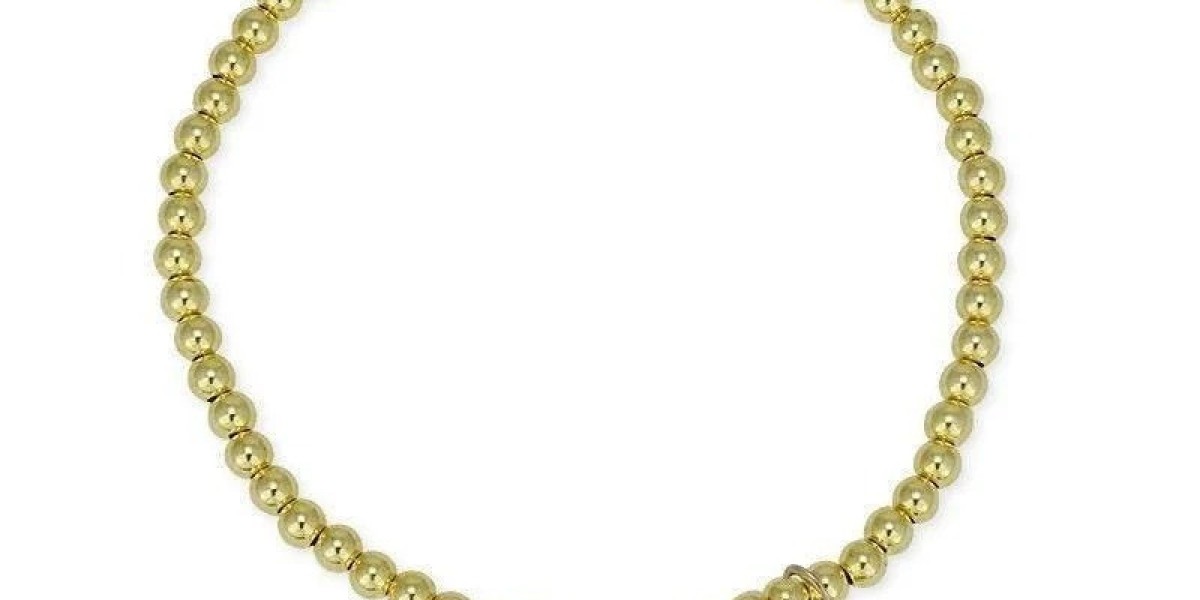

A bracelet can be one of the easiest ways to make an outfit feel complete. Unlike statement jewelry that may only work for certain occasions, a well-chosen everyday piece can move from a morning coffee run to the office, dinner, or a weekend event without looking out of place. For shoppers who want the warm appearance of gold without the cost of solid gold, Gold Filled Bracelets offer an appealing balance of beauty, durability, and value.
But choosing the right bracelet involves more than picking a color you like. Bead size, bracelet construction, fit, gold karat, comfort, styling preferences, and intended use can all affect whether a piece becomes a jewelry-box favorite or something you rarely wear.
A thoughtful purchase starts with understanding what gold-filled jewelry actually is and knowing which details deserve attention. Whether you are buying your first gold bracelet, searching for an everyday accessory, or looking for a thoughtful gift, the following guide will help you make a more informed choice.
What Does Gold Filled Mean?
Gold-filled jewelry is different from both solid gold and ordinary gold-plated jewelry. The term refers to jewelry made with a substantial layer of gold mechanically bonded to a base metal. In the U.S., Federal Trade Commission guidance explains that gold-filled products generally use at least 10-karat gold, and the gold layer must meet specific weight requirements for the “gold filled” designation.
This distinction matters because jewelry labels can sometimes sound similar while describing very different construction methods.
Solid gold contains gold throughout the material, while gold-plated jewelry has a comparatively thin surface layer of gold applied over another metal. Gold-filled jewelry sits between these options in terms of construction and price, making it particularly attractive to people who want a more substantial gold surface without paying the price of a solid-gold piece.
For consumers, the most useful habit is simple: read the product specifications rather than relying only on words such as “gold,” “gold tone,” or “gold finish.” A trustworthy jewelry description should clearly identify the material and karat information.
Why Beaded Bracelets Work So Well for Everyday Style
Beaded designs have a natural versatility that makes them especially practical for daily wear. Small, evenly sized beads create a subtle texture without making the bracelet feel overly formal. Larger beads, meanwhile, can provide more visual impact while still keeping the design relatively uncomplicated.
The appeal also comes from how easily beads can complement other jewelry. A simple beaded bracelet can be worn alone when you want a clean, understated look or combined with a watch and other bracelets for a layered appearance.
For U.S. shoppers building a practical jewelry collection, versatility is worth considering. A bracelet that works with jeans, workwear, dresses, and evening outfits is likely to receive considerably more wear than one designed for a single occasion.
6 Factors to Consider Before Buying
Choosing jewelry is ultimately personal, but several practical factors can help narrow the options.
1. Start With the Gold Karat
Karat indicates the proportion of pure gold in the gold alloy. Common jewelry choices include 10K, 14K, and 18K gold. The higher the karat, the greater the proportion of pure gold.
For an everyday bracelet, 14K is often an appealing middle ground. It offers the recognizable richness of gold while being formulated for jewelry use with other metals that contribute to hardness and durability.
The karat should always be clearly stated in the product description. If a listing is vague about the gold content, consider that a reason to investigate further before purchasing.
2. Pay Attention to Bead Size
Bead size has a surprisingly large effect on the personality of a bracelet.
Smaller beads tend to create a delicate and minimalist appearance. They work especially well for people who prefer understated jewelry or want to stack several bracelets. Medium-sized beads offer a balanced look that can transition easily between casual and polished outfits.
Larger beads make the bracelet more noticeable and can work well as a standalone accessory.
Think about your existing wardrobe when deciding. If your clothing tends to feature prints, textures, or bold accessories, a simpler bracelet may create better balance. If your style is primarily minimalist, slightly larger beads can provide an attractive focal point.
3. Get the Fit Right
Even a beautifully made bracelet can be uncomfortable if the sizing is wrong.
A bracelet that is too tight may restrict movement and feel uncomfortable throughout the day. One that is excessively loose can slide around the wrist, catch on clothing, or become easier to lose.
Measure around the part of your wrist where you normally wear bracelets. If you prefer a close fit, choose a size that leaves only a small amount of movement. For a relaxed look, allow additional room.
Stretch designs can be particularly convenient because they accommodate slight variations in wrist size. Adjustable closures provide another practical option, especially when buying a gift and you are unsure of the recipient's exact measurements.
4. Consider the Bracelet's Construction
Look beyond the beads themselves. The overall construction can influence comfort and longevity.
Check whether the bracelet uses elastic, a chain, a clasp, or an adjustable mechanism. Examine the quality of the connecting components and make sure the finishing appears consistent.
For stretch bracelets, the quality and resilience of the elastic are especially important. Repeated stretching can eventually weaken any elastic material, so a bracelet should not be treated as indestructible simply because the beads themselves are durable.
For clasped styles, inspect the closure and connection points. A secure clasp is essential for a bracelet intended for frequent wear.
5. Think About Your Lifestyle
The “best” bracelet is not necessarily the most elaborate one. It is the one that fits naturally into your routine.
Someone who works in a professional office may prefer a slim bracelet that sits comfortably beneath a sleeve. A frequent traveler may prioritize lightweight construction and a design that pairs with several outfits. Someone who enjoys stacking jewelry may want a narrow beaded bracelet that can sit alongside chains, bangles, or a watch.
Consider where the bracelet will spend most of its time before choosing its design.
6. Check the Care Instructions
Gold-filled jewelry can be more durable than many inexpensive fashion-jewelry alternatives, but that does not mean it is immune to wear.
Sweat, cosmetics, perfumes, cleaning products, chlorine, salt water, friction, and repeated exposure to chemicals can affect jewelry over time. Individual pieces can also have different care requirements depending on their construction and any additional materials used.
Always follow the manufacturer's care instructions, particularly if the bracelet includes gemstones, pearls, elastic, or other components that require special handling.
Gold Filled Bead Bracelet vs. Gold Plated: What Is the Difference?
One of the most common points of confusion for jewelry shoppers is the difference between gold-filled and gold-plated construction.
Gold plating involves applying a layer of gold over another material. The thickness and durability of that layer can vary considerably. With regular wear, the exposed surface can eventually show signs of wear, especially at areas that experience frequent friction.
Gold-filled jewelry has a mechanically bonded gold layer that is substantially different from a very thin plating layer. The FTC specifically distinguishes these terms in its consumer guidance, which is why shoppers should not assume that all gold-colored jewelry has the same material properties.
That does not mean gold-filled jewelry should be treated exactly like solid gold. It simply means the construction offers a different balance of gold content, durability, appearance, and price.
For anyone comparing bracelets, checking the material description is far more useful than judging quality by appearance alone.
How to Choose a Bracelet for Your Personal Style
For Minimalists
Choose small beads, clean lines, and a relatively simple finish. A delicate bracelet can provide just enough shine without competing with the rest of your outfit.
This style also works beautifully as part of a coordinated jewelry wardrobe. A simple bracelet can be worn repeatedly without feeling tied to a particular trend.
For Layering Enthusiasts
Look for bracelets with slimmer profiles and complementary textures. A beaded design can create visual contrast when paired with a smooth bangle, chain bracelet, or watch.
When stacking, avoid making every piece identical. Combining different widths and textures usually creates a more intentional appearance than wearing several bracelets that look exactly alike.
For Statement Jewelry Lovers
Choose larger beads or designs featuring distinctive shapes, charms, or contrasting details. A statement bracelet can serve as the main accessory while the rest of your jewelry remains relatively restrained.
The goal is balance. If the bracelet already draws attention, you may not need equally bold earrings and necklaces.
How to Choose a Bracelet as a Gift
Bracelets can make excellent gifts because they are personal without requiring the same level of precision as rings.
Still, there are a few details worth checking before ordering. First, consider the recipient's existing jewelry. Does she usually wear delicate pieces or bolder designs? Does she prefer yellow gold, or does she mix metals?
Next, consider sizing. If you do not know her wrist measurement, an adjustable or flexible design may be safer than a fixed-size bracelet.
Finally, think about the occasion. A minimalist bracelet may be suitable for a birthday or graduation, while a more meaningful design can work well for an anniversary or milestone celebration.
A gift feels more thoughtful when it reflects the recipient's actual style rather than simply following a jewelry trend.
Styling Ideas for Everyday Wear
One of the strengths of a beaded bracelet is how easily it adapts to different outfits.
For a casual daytime look, pair a simple bracelet with denim, a neutral top, and understated earrings. For workwear, choose a refined bracelet that adds warmth without distracting from a structured blazer or tailored outfit.
For an evening look, combine the bracelet with a delicate necklace or earrings in a similar gold tone. If you enjoy stacking, use one bracelet as the anchor and add one or two complementary pieces rather than covering the entire wrist.
For travel, a versatile bracelet can be especially useful because it can work with multiple outfits while taking up very little space in a jewelry case.
The key is consistency. Jewelry tends to look more polished when its proportions and finishes complement the rest of the outfit.
How to Care for Your Bracelet
Good care is less about complicated cleaning routines and more about reducing unnecessary exposure to harsh conditions.
After wearing a bracelet, gently wipe it with a soft, clean cloth if needed. Store it in a dry jewelry pouch or separate compartment to reduce scratches and tangling.
Avoid storing jewelry in humid bathrooms for extended periods. Keep cosmetics, lotions, perfume, and household cleaning products away from the bracelet whenever possible.
A practical care routine includes:
- Put jewelry on after applying perfume, lotion, or cosmetics.
- Store individual pieces separately when possible.
- Use a soft cloth rather than abrasive materials.
- Follow the maker's specific cleaning recommendations.
- Inspect clasps, elastic, and connecting components periodically.
Some jewelry brands describe particular pieces as waterproof or suitable for daily exposure to water. Even then, it is sensible to follow the care instructions for the individual item rather than assuming every gold-filled design has identical resistance to every environment.
What to Look for in an Online Jewelry Listing
Shopping online requires a little more attention because you cannot physically inspect the bracelet before buying.
A useful product listing should provide enough information for you to understand what you are purchasing. Look for the gold karat, material description, dimensions, bracelet length or sizing method, construction details, and care information.
Clear photography is helpful, but photographs alone cannot establish material quality. A bracelet can look luxurious in a close-up image while having very different construction from what a shopper expects.
Also check the retailer's policies for returns, exchanges, shipping, and customer support. These details matter more when purchasing jewelry online because sizing and personal preferences can be difficult to judge from photographs.
The FTC's Jewelry Guides emphasize truthful representation of precious-metal content and other important characteristics, reinforcing the importance of clear, accurate jewelry descriptions.
For shoppers researching styles before making a decision, the Isabella Celini jewelry collection provides an example of how gold-filled bracelets can be presented across different bead sizes and styling approaches. The site includes beaded, stackable, and adjustable bracelet designs, illustrating the range available within this category.
Common Buying Mistakes to Avoid
The first mistake is choosing based entirely on appearance. A beautiful photograph does not tell you everything about construction, sizing, or material content.
Another common mistake is ignoring proportions. A bracelet that looks elegant on a model may feel very different on your own wrist depending on bead size and bracelet length.
It is also easy to overlook maintenance. If you want a bracelet for years of regular wear, think about how its construction fits your lifestyle before purchasing.
Finally, do not assume that the highest price automatically means the best choice. Compare materials, construction, craftsmanship, sizing, and customer policies instead. Value comes from how well a piece meets your needs, not simply from its price tag.
A Simple Decision Framework
If you are still unsure which bracelet to choose, narrow your options in this order:
Start with purpose. Decide whether the bracelet is primarily for everyday wear, work, occasions, layering, or gifting.
Choose the visual weight. Select delicate, medium, or bold beads based on your wardrobe and existing jewelry.
Confirm the material. Check the gold karat and make sure the product description clearly explains the construction.
Select the right fit. Measure your wrist and compare it with the seller's sizing information.
Review care requirements. Make sure the maintenance routine is realistic for your lifestyle.
Check retailer policies. Look at returns, exchanges, shipping, and product support before completing the purchase.
This approach keeps the decision practical instead of allowing a temporary trend or attractive photograph to determine the purchase.
Final Thoughts
The perfect bracelet is not necessarily the most expensive or eye-catching option. It is the piece that combines appropriate construction, comfortable sizing, versatile design, and a look that genuinely suits the person wearing it.
Gold-filled jewelry can be an appealing choice for shoppers who want the appearance and feel of gold while seeking a more accessible alternative to solid gold. Understanding the difference between gold-filled and gold-plated construction, checking the karat and material details, choosing an appropriate bead size, and paying attention to fit can make the buying process much easier.
For everyday wear, prioritize comfort and versatility. For gifting, focus on personal style and flexible sizing. And for long-term enjoyment, give care and storage the same attention you give the initial purchase.
A thoughtfully selected bracelet should not simply complement one outfit. It should become the kind of jewelry you reach for repeatedly-easy to wear, easy to style, and appropriate for the many ordinary and memorable moments that make up everyday life.