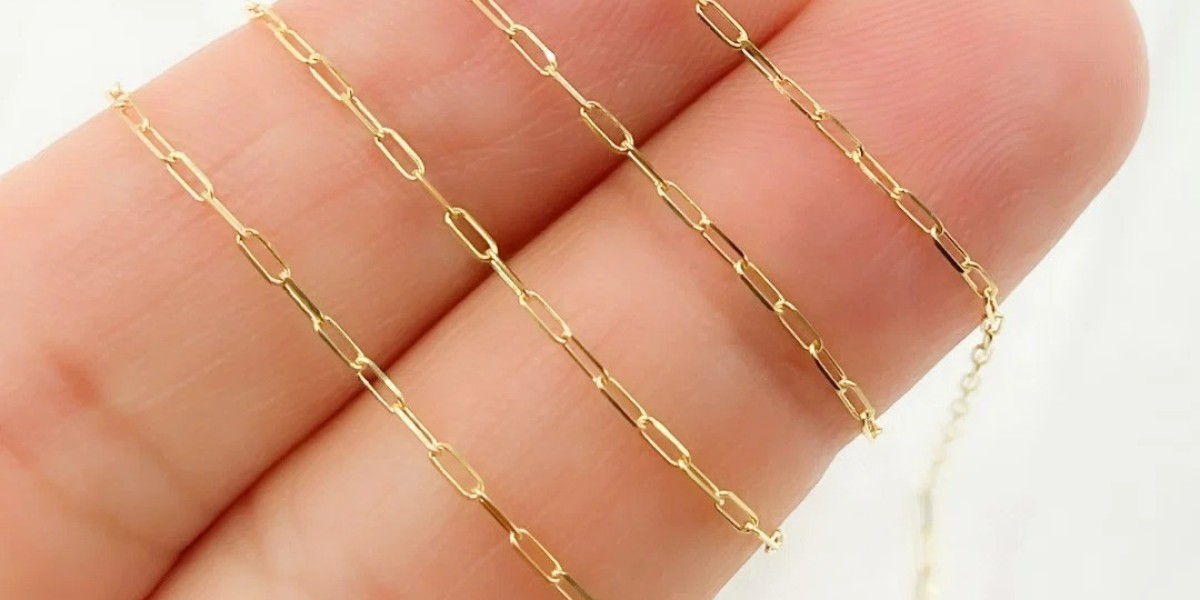

A well-chosen gold chain can do more than complete an outfit-it can become one of the most versatile pieces in a jewelry collection. Whether worn alone with a simple T-shirt or layered with pendants and shorter necklaces for an evening look, a quality chain offers a balance of style, durability, and everyday elegance. For shoppers who value long-term wear, a solid gold chain is especially appealing because its construction makes it suitable for regular use while maintaining the timeless character of real gold.
Gold jewelry also has a distinctive advantage: it works across seasons, dress codes, and personal styles. The right chain can look understated and refined in the office, relaxed with casual clothing, or sophisticated when paired with formal attire. Understanding the differences between chain styles, gold purity, proportions, and construction can make choosing the right piece much easier.
Why Gold Chains Remain a Jewelry Essential
Jewelry trends change quickly, but classic gold chains have remained relevant for generations. Their appeal comes partly from their simplicity. A chain does not need elaborate gemstones or dramatic details to make an impression. Its texture, weight, finish, and proportions can create enough visual interest on their own.
Gold is also valued for its combination of beauty and practicality. Pure 24-karat gold is relatively soft, which is why jewelry is commonly alloyed with other metals to improve strength and wearability. In the U.S. market, 14-karat and 18-karat gold are particularly common choices for fine jewelry.
For everyday jewelry, the best option often depends on how frequently the piece will be worn. Someone looking for a necklace that can accompany them through workdays, weekends, and travel may prioritize durability. Another shopper might place greater emphasis on richer color or higher gold content.
That is why selecting a chain should involve more than choosing the most attractive design. Construction and intended use matter just as much.
Understanding Gold Purity Before You Buy
Gold purity is expressed in karats, with 24 karats representing pure gold. The karat number indicates the proportion of gold in an alloy.
For example, 14-karat gold contains approximately 58.3% pure gold, while 18-karat gold contains approximately 75% gold. The remaining material consists of other metals added to alter strength, color, or durability.
For many consumers, 14-karat gold offers a practical balance. It contains substantial gold while generally providing greater resistance to everyday wear than higher-purity alternatives. That makes 14kt gold chains a popular choice for people who want fine jewelry that can fit comfortably into a regular wardrobe.
Color is another consideration. Yellow gold has a traditional appearance, while white and rose gold offer different visual effects. White gold is typically alloyed with metals that create its pale appearance and may be finished with rhodium for added brightness. Rose gold gets its warm pink tone from copper-rich alloying.
When comparing pieces, look beyond color and karat alone. Pay attention to the chain's construction, clasp, thickness, and overall finish.
7 Chain Styles Worth Considering
Different chain patterns create noticeably different effects. Some are designed to stand alone, while others work particularly well with pendants or layered necklaces.
1. Cable Chains
Cable chains are among the most recognizable necklace styles. They consist of individual oval or round links connected in a straightforward pattern, giving them a clean and balanced appearance.
Their simplicity makes them highly versatile. A delicate cable chain can serve as a subtle everyday necklace, while a thicker version can create a stronger visual statement. Because the design is relatively uncomplicated, it also pairs naturally with pendants.
For someone building a jewelry collection from the ground up, a cable chain can be an excellent foundational piece. It does not depend heavily on fashion trends, so it can transition easily between different styles over time.
2. Box Chains
Box chains are made from square-shaped links that connect to create a smooth, structured appearance. Their geometric construction gives them a slightly more contemporary character than traditional round-link designs.
One of their strengths is their ability to support pendants. The links distribute visual weight evenly, creating a polished backdrop for a meaningful charm or gemstone.
A medium-width box chain can also look attractive on its own, especially when worn with an open neckline. Its clean lines make it a useful option for people who prefer modern jewelry without excessive ornamentation.
3. Rope Chains
Rope chains feature links arranged to create a twisted, rope-like texture. This construction produces noticeable light reflection, giving the necklace a distinctive sparkle as it moves.
Because the pattern is naturally decorative, rope chains can make a strong impression without requiring a pendant. Thicker versions often have a bold aesthetic, while finer designs can provide a more understated interpretation.
When choosing a rope chain, consider the relationship between thickness and the rest of your wardrobe. A substantial chain may work particularly well with simple clothing, while a delicate rope pattern can be incorporated into layered looks.
4. Figaro Chains
Figaro chains traditionally alternate several shorter links with one longer link, producing a recognizable rhythmic pattern. The design has a classic heritage but can still feel contemporary depending on its width and finish.
Figaro chains are especially useful for shoppers who want something more visually distinctive than a basic cable chain. They can be worn independently or paired with other necklaces when proportions are carefully considered.
Their structured pattern can also complement both casual and dressed-up clothing, making them a flexible choice for a collection intended to cover multiple occasions.
5. Curb Chains
Curb chains use interlocking links that are designed to lie relatively flat against the skin. This gives them a substantial, cohesive appearance.
Slim curb chains can have an elegant and understated quality, while wider versions create a bolder statement. The style has long been associated with confident, uncomplicated jewelry and works well for both men and women.
A curb chain is particularly effective when the goal is to let the necklace itself become the focal point. It can also provide a strong foundation for a pendant, provided the pendant's size is proportionate to the chain.
6. Wheat Chains
Wheat chains are composed of links woven together into a pattern that resembles stalks of wheat. The result is a textured surface with a soft, fluid appearance.
This style sits somewhere between understated and decorative. It has enough texture to remain interesting when worn alone but is not necessarily as visually bold as a heavy rope or curb chain.
A wheat chain can be an excellent choice for someone who appreciates intricate craftsmanship but prefers a refined silhouette. Its relatively smooth appearance also makes it comfortable for many everyday outfits.
7. Singapore Chains
Singapore chains are created through a twisted design that gives them a delicate, reflective surface. Their intricate construction allows them to catch light from multiple angles.
This style is particularly suited to people who prefer feminine, lightweight jewelry or want a chain that can complement a small pendant. Its intricate appearance can add interest without making an outfit feel overly accessorized.
Because delicate chains can be more vulnerable to pulling and snagging, however, they deserve thoughtful handling. Removing fine jewelry before sleeping, exercising, or engaging in activities where the chain could catch is a simple way to reduce unnecessary stress on the links.
Choosing the Right Chain Thickness
Chain width can dramatically change the character of a necklace. A difference of only a few millimeters can make the same design appear delicate, substantial, or statement-making.
For everyday wear, consider how the chain will interact with your clothing and other jewelry. Fine chains tend to work well with minimalist wardrobes and layered combinations. Medium-width chains offer greater visual presence without necessarily dominating an outfit. Heavier chains are more suitable when the necklace is intended to function as a centerpiece.
Your own proportions can also help guide the decision. There is no universal rule that a particular chain thickness is correct for a specific body type, but visual balance is useful. A very delicate chain may disappear against a heavily patterned outfit, while an oversized chain can compete with an intricate neckline.
The best approach is to think about the role you want the necklace to play.
How to Choose the Right Chain Length
Length is just as important as width. Common necklace lengths can create very different styling effects.
A shorter chain tends to sit closer to the collarbone and works well with open necklines. Medium lengths provide versatility and can accommodate pendants comfortably. Longer chains can create a more relaxed appearance and may be particularly effective with layered necklaces.
Before purchasing, consider the necklines you wear most often. A chain that looks beautiful with a particular blouse may sit awkwardly with crew-neck sweaters or high collars.
If layering is part of your style, varying both length and chain texture can make the arrangement look intentional. For example, a shorter, delicate chain can be paired with a slightly longer chain featuring a more substantial link pattern.
Solid Gold vs. Plated Jewelry
Understanding construction is essential when comparing gold jewelry.
Solid gold jewelry is made from a gold alloy throughout the piece rather than simply having a thin gold surface applied over another metal. Gold-plated jewelry, by contrast, has a base metal covered with a layer of gold. Gold-filled construction contains a mechanically bonded layer of gold over a base metal and is different from both solid gold and ordinary plating.
These differences affect longevity, maintenance, and how a piece behaves with regular wear.
Solid gold can be polished when necessary and does not rely on a surface coating for its gold content. That makes it particularly attractive to shoppers looking for jewelry they can wear repeatedly and potentially keep for many years.
This does not mean solid gold is indestructible. Gold alloys can still scratch, bend, or become damaged under excessive force. Proper care remains important regardless of purity or construction.
Practical Tips for Building a Gold Chain Collection
A collection does not need to begin with several necklaces. Starting strategically can help you create more styling options without unnecessary duplication.
One useful approach is to begin with a versatile everyday chain. Once you understand what length and thickness you naturally reach for, you can add a second style that provides contrast.
Consider these factors when expanding your collection:
- Choose different textures rather than buying several nearly identical chains.
- Add a pendant-friendly style if you enjoy personalized jewelry.
- Consider both delicate and substantial proportions for different outfits.
- Select pieces that work independently as well as within layered combinations.
Quality should also be evaluated at the small details. Inspect the clasp, link connections, soldered areas, and overall finish. A secure clasp is particularly important for frequently worn necklaces because it reduces the risk of accidental loss.
If you are exploring different designs and want to see how classic gold jewelry can fit into a broader collection, Jewels and Chains offers a useful starting point for exploring fine jewelry styles.
How to Style Gold Chains for Everyday Wear
The beauty of a classic gold chain is its adaptability.
For a minimalist daytime outfit, a single fine chain can add warmth and polish without appearing overly formal. With a plain T-shirt, a medium-width chain can create a more intentional look while remaining casual.
Layering introduces more possibilities. Try combining chains with different lengths and textures while keeping the overall color palette consistent. A short, understated necklace can serve as the foundation, while a longer chain introduces dimension.
For formal occasions, restraint can often be more effective than excess. A well-proportioned chain paired with simple earrings or a bracelet can provide enough shine without competing with the outfit.
Gold also works across gender-neutral styling. Men may prefer heavier curb, Figaro, or box designs, while women may gravitate toward finer chains, but these are rather preferences than rules. Jewelry is increasingly being styled according to individual taste rather than traditional categories.
Caring for a Gold Chain
Proper care can help preserve both appearance and function.
Gold jewelry should ideally be stored separately to minimize scratches and tangling. A soft-lined jewelry box or individual pouch can help protect delicate pieces.
Exposure to household chemicals, chlorine, perfumes, and cosmetics can affect jewelry finishes and alloy metals. It is generally sensitive to put jewelry on after applying fragrance, lotions, or other beauty products and to remove necklaces before swimming or using harsh cleaning products.
For routine cleaning, follow the care instructions supplied with the jewelry. In many cases, gentle cleaning with appropriate jewelry-safe materials is preferable to aggressive polishing. If a chain has a complicated construction, loose clasp, or damaged link, professional inspection is a safer choice than attempting a repair at home.
Regularly checking the clasp and links is also worthwhile. Catching a developing problem early may prevent the loss of the entire necklace.
What Makes a Chain a Long-Term Investment?
The phrase "investment" should be used carefully when discussing jewelry. Buying a gold chain does not guarantee financial appreciation, and resale value can vary considerably based on gold prices, craftsmanship, brand, condition, and buyer demand.
A better way to think about a quality chain is as a long-term wardrobe asset.
A well-made piece can provide years of wear, work with numerous outfits, and remain stylistically relevant even as trends change. That practical longevity can make a higher-quality purchase more meaningful than repeatedly replacing inexpensive fashion jewelry.
Documentation can also be valuable. Keep receipts, product information, and any available details about gold purity or craftsmanship. For higher-value pieces, professional appraisal and appropriate insurance may also be worth considering.
Final Thoughts
The best gold chain is not necessarily the heaviest, most expensive, or most elaborate option. It is the piece that matches your lifestyle, wardrobe, comfort preferences, and expectations for long-term wear.
Cable, box, rope, Figaro, curb, wheat, and Singapore chains each offer a different combination of texture and visual character. Understanding those differences makes it easier to select pieces with purpose rather than simply following trends.
For many US shoppers, 14-karat gold provides a practical balance between gold content and everyday durability, while chain thickness and length determine how easily a piece fits into a personal wardrobe. Careful attention to construction, clasp quality, and maintenance can further extend its useful life.
Ultimately, building a jewelry collection is about choosing pieces that continue to feel right long after the initial purchase. A thoughtfully selected gold chain can become a reliable everyday accessory, a layering staple, or a signature piece that carries personal meaning for years to come.