
If you've booked a microneedling appointment, there's a good chance you've already Googled some version of "when can I wear makeup again" — usually the night before, at 11pm, half-panicking about an event you have coming up. It's one of the most common questions clinics get, and for good reason: microneedling leaves your skin visibly different for a few days, and most people have no real reference point for what's normal.
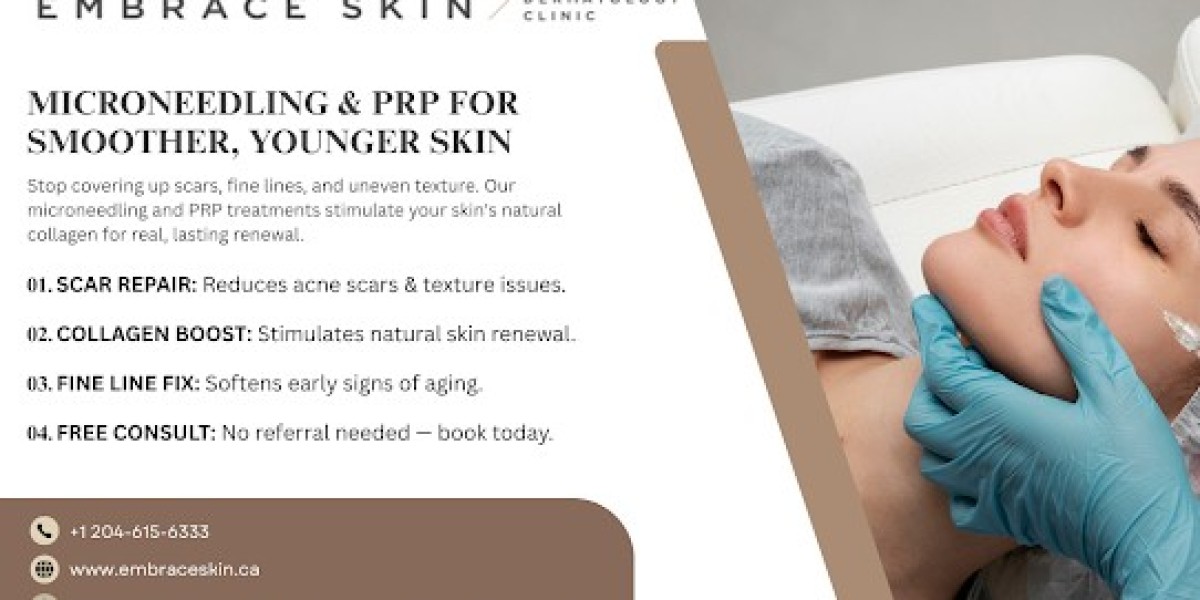
Here's the short version of what's actually happening. Microneedling works by creating hundreds of tiny, controlled punctures in the skin using fine needles. That sounds more dramatic than it feels — most people describe the sensation as mild pressure or light scratching, especially with topical numbing beforehand. But those micro-injuries are the entire point: they trigger your skin's natural healing response, which boosts collagen and elastin production over the following weeks. The visible redness and slight swelling afterward, similar to a moderate sunburn, is a sign the process is working, not a sign something's wrong.
That redness is exactly why the makeup question comes up so often. Right after treatment, your skin has microscopic open channels. Applying anything — makeup, unapproved skincare, even certain sunscreens — during that window risks pushing bacteria or irritants into skin that isn't sealed yet. That's not a hypothetical risk; it's the most common reason people get breakouts or irritation after an otherwise well-done treatment.
Most clinics will tell you to wait at least 24 hours before any makeup, and some recommend longer depending on treatment depth. In that window, skin typically goes through a few stages: intense redness for the first few hours, tightness and mild flaking over the next day or two, and gradual normalization over about a week. Makeup, when it's safe to use again, should generally start as mineral-based and fragrance-free rather than jumping straight back to your usual full routine.
A few other things people don't always expect:
Sun sensitivity spikes. New skin cells are more vulnerable to UV damage. SPF becomes non-negotiable, not optional, for at least a couple of weeks after treatment.
Products matter more than usual. Retinoids, exfoliating acids, and fragranced products typically need to be paused for several days, since freshly treated skin absorbs everything more aggressively — including irritants.
Results build over time. The visible "glow" people talk about after microneedling isn't really from the treatment itself — it's from the collagen remodeling that continues for weeks afterward. Judging results at day three is judging the wrong stage of the process.
This is also where it becomes worth choosing where you get the treatment done carefully. Needle depth, sterilization practices, and aftercare instructions all vary between providers, and all of them affect how your skin responds and how soon you can safely go back to a normal routine. A clinic offering microneedling treatment in Winnipeg, like the one detailed on Embrace Skin's blog, walks through exactly this kind of aftercare timeline, which is worth reading in full before your appointment rather than after, when you're already trying to figure out what's normal.
The honest takeaway: microneedling is a low-downtime treatment compared to a lot of skin procedures, but "low downtime" doesn't mean "no downtime." Plan around it a little — skip the big event two days out if you can, keep your skincare simple for the week, and resist the urge to cover redness with makeup before your skin has actually sealed back up. The patience pays off in results that look better and last longer than if you'd rushed the process for the sake of one photo.