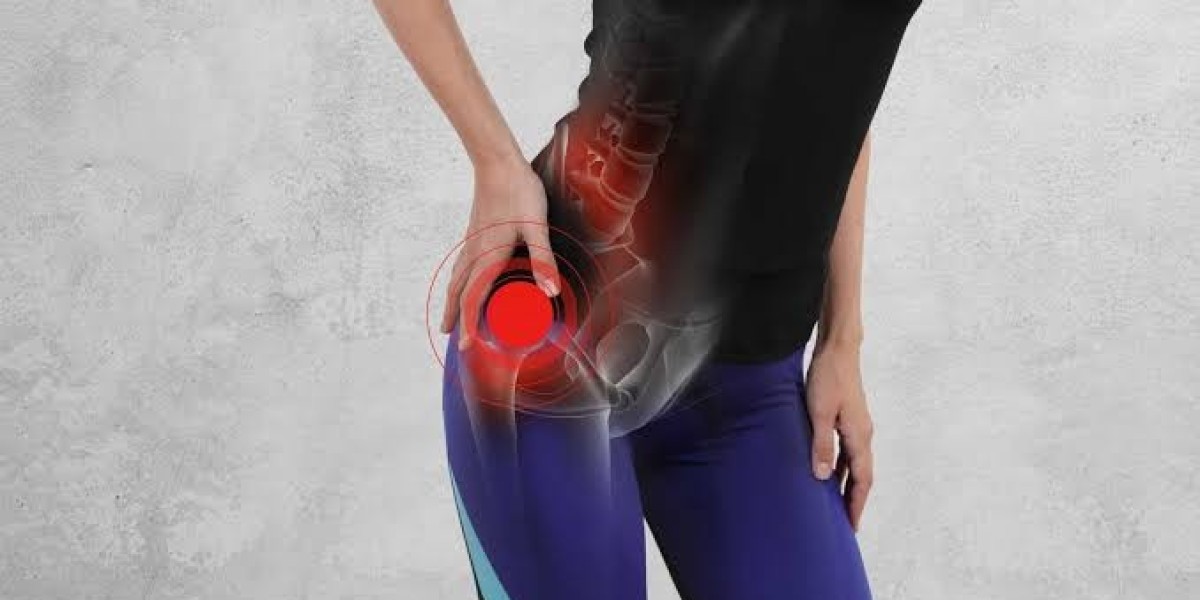

Joint pain is a common problem that can affect people of different ages and lifestyles. Whether caused by osteoarthritis, sports injuries, overuse, or age-related changes, persistent joint discomfort can make everyday activities more difficult. Traditional treatments such as physical therapy, medications, lifestyle changes, and surgery may help manage symptoms, but advances in regenerative medicine have introduced additional approaches that aim to support the body's natural healing processes.
Regenerative medicine for joint pain is an emerging area of healthcare that focuses on using biological materials, cells, or growth factors to potentially support tissue repair and improve joint function. While research is continuing, regenerative treatments are attracting attention as researchers explore new ways to address musculoskeletal conditions.
What Is Regenerative Medicine?
Regenerative medicine is a field of medical research and treatment that aims to help repair, replace, or restore damaged tissues and structures in the body. Unlike treatments that primarily focus on reducing symptoms, regenerative approaches are designed to investigate whether the body's own healing mechanisms can be supported.
Depending on the condition and treatment approach, regenerative medicine may involve substances derived from a patient's own blood or tissues, biological products, or cell-based therapies.
When applied to joint problems, the goal may be to support the environment around damaged tissues, reduce certain inflammatory processes, and potentially improve comfort and function.
How Can Regenerative Medicine Help With Joint Pain?
Joint pain can develop for many reasons. Osteoarthritis, for example, involves changes to cartilage and other structures within a joint. Injuries can also damage ligaments, tendons, or other tissues.
Regenerative medicine is being studied because some biological treatments may contain growth factors or other components involved in tissue repair and inflammation.
Potential goals of regenerative approaches may include:
- Supporting the body's natural healing response
- Helping manage inflammation
- Improving joint comfort
- Supporting mobility and physical function
- Potentially delaying the need for more invasive treatment in selected patients
However, results can vary considerably depending on the underlying condition, treatment used, and individual patient factors. Regenerative medicine should not be presented as a guaranteed cure for joint disease.
Common Types of Regenerative Treatments
Several regenerative medicine approaches are currently being researched or used in clinical settings for musculoskeletal conditions. The availability and evidence for each treatment can vary.
Platelet-Rich Plasma (PRP)
Platelet-rich plasma, commonly known as PRP, is prepared from a patient's own blood. A sample is processed to concentrate platelets and certain growth factors before being injected into the targeted area.
PRP has been studied for several orthopedic conditions, including some forms of knee osteoarthritis and tendon injuries. Researchers are continuing to investigate which patients are most likely to benefit and what preparation methods produce the best outcomes.
Stem Cell-Based Therapies
Stem cell-based treatments have received significant attention in regenerative medicine. Researchers are investigating whether certain types of cells can influence tissue repair and the local biological environment.
Mesenchymal stromal or stem cells, for example, have been studied in connection with various musculoskeletal conditions. However, evidence remains mixed for many applications, and not every treatment marketed as a "stem cell therapy" has been proven effective or approved for a particular joint condition.
Patients should carefully evaluate the evidence and regulatory status of any proposed stem cell treatment.
Other Biological Approaches
Researchers are also studying other biological substances and techniques that could potentially influence tissue repair and inflammation. These include various tissue-derived products and biologically active substances.
Because regenerative medicine is a rapidly developing field, treatments and evidence can change as new clinical studies become available.
Regenerative Medicine vs. Traditional Joint Pain Treatments
Traditional joint pain management remains important. Depending on the diagnosis, treatment may include exercise, physical therapy, weight management, medications, activity modification, injections, or surgery.
Regenerative medicine may be considered as an additional option in certain circumstances, but it should not automatically replace established treatments.
A healthcare professional can help determine whether a regenerative approach is appropriate based on the patient's diagnosis, symptoms, medical history, imaging results, and treatment goals.
Who May Consider Regenerative Medicine?
There is no single patient profile that guarantees success with regenerative treatment. People with joint pain should first receive an appropriate diagnosis to identify the underlying cause.
Regenerative approaches may be discussed for certain patients with conditions such as:
- Mild to moderate osteoarthritis
- Certain sports-related injuries
- Tendon or ligament problems
- Persistent musculoskeletal pain
- Some degenerative joint conditions
The suitability of a treatment depends on the specific therapy and the individual's circumstances.
What Should Patients Consider Before Treatment?
Anyone considering regenerative medicine should have a detailed conversation with a qualified healthcare professional. Important questions may include:
- What is causing my joint pain?
- What treatment is being recommended?
- What evidence supports this treatment for my condition?
- Is the treatment approved or authorized for this particular use?
- What are the potential risks and side effects?
- How many treatments might be required?
- What alternatives are available?
- What should I realistically expect from treatment?
Patients should also be cautious about clinics that promise guaranteed results or claim that regenerative medicine can cure every type of joint disease.
The Importance of an Accurate Diagnosis
Before considering any treatment for joint pain, identifying the underlying problem is essential. Knee pain, for example, may result from osteoarthritis, a ligament injury, cartilage damage, bursitis, tendon problems, or other conditions.
A proper evaluation may include a physical examination and, when appropriate, imaging or other diagnostic tests.
Once the cause of the pain is established, a healthcare professional can discuss evidence-based treatment options and determine whether regenerative medicine has a reasonable role.
The Future of Regenerative Medicine for Joint Pain
Regenerative medicine continues to be an active area of research. Scientists are studying how cells, growth factors, tissue-derived materials, and other biological approaches may influence damaged or inflamed tissues.
Future research may help identify which treatments work best, which patients are most likely to benefit, and how regenerative therapies can be safely combined with rehabilitation and other treatments.
At present, however, expectations should remain realistic. Some regenerative treatments have encouraging research behind them, while evidence for others is still developing.
Final Thoughts
Regenerative medicine for joint pain represents an evolving area of modern medicine that aims to explore the body's natural repair mechanisms. Treatments such as PRP and cell-based therapies are being investigated for various joint and musculoskeletal conditions, but their effectiveness can differ from one patient to another.
For anyone experiencing persistent joint pain, the first step should be obtaining an accurate diagnosis and discussing appropriate treatment options with a qualified healthcare professional. Regenerative medicine may be an option for some people, but understanding the scientific evidence, potential risks, regulatory status, and realistic expectations is essential before making a decision.
As research continues, regenerative medicine could contribute to new strategies for managing joint conditions and supporting mobility and quality of life.