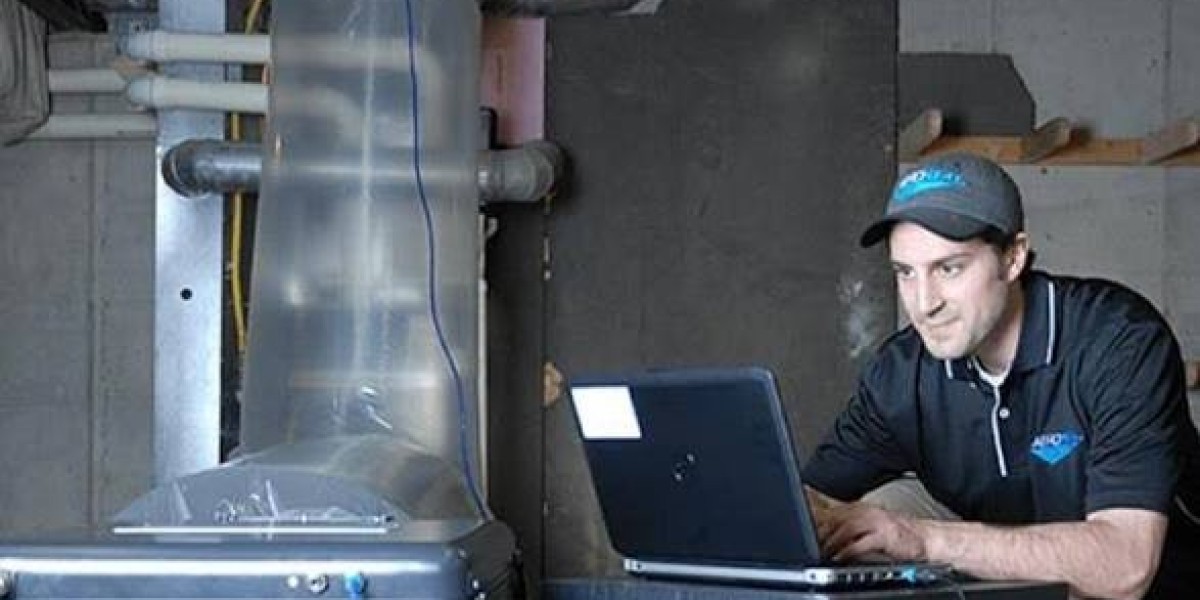

A crawl space plays an important role in the overall comfort, energy efficiency, and indoor air quality of a home. Because it is located beneath the living area, problems such as moisture, drafts, poor insulation, and temperature fluctuations can affect the entire house. Hiring an experienced crawl space insulation contractor can help homeowners address these issues and create a cleaner, more energy-efficient environment.
What Is Crawl Space Insulation?
Crawl space insulation is designed to reduce heat transfer between the crawl space and the rest of the home. Depending on the property's design, insulation may be installed between floor joists, along crawl space walls, or as part of a larger crawl space encapsulation system.
Proper insulation can help maintain more consistent indoor temperatures and reduce the amount of work required from heating and cooling equipment.
Why Hire a Crawl Space Insulation Contractor?
While some insulation projects may appear simple, crawl spaces can be difficult and uncomfortable areas to work in. A professional contractor has the experience and equipment needed to inspect the space, identify potential problems, and recommend an appropriate insulation solution.
A qualified crawl space insulation contractor can also identify issues such as:
- Excess moisture
- Mold or mildew
- Air leaks
- Damaged insulation
- Poor ventilation
- Water intrusion
- Pest-related damage
Addressing these issues before installing new insulation can help prevent future problems.
Benefits of Professional Crawl Space Insulation
Improved Energy Efficiency
An improperly insulated crawl space can contribute to heat loss during winter and unwanted heat gain during summer. Installing suitable insulation can reduce this transfer, potentially helping the HVAC system operate more efficiently.
Better Indoor Comfort
Cold floors and inconsistent temperatures can sometimes be related to an inadequately insulated crawl space. Professional insulation can help create a more stable temperature throughout the home.
Moisture Management
Moisture is one of the most common concerns in crawl spaces. A contractor can inspect the area for signs of water intrusion and recommend solutions such as vapor barriers, drainage improvements, or encapsulation when appropriate.
Improved Indoor Air Quality
Air from a crawl space can enter the living area through gaps, cracks, and openings in the floor. Controlling moisture and improving air sealing may help reduce the movement of unpleasant odors, dust, and other contaminants into the home.
Protection for the Home
Excessive moisture and temperature fluctuations can contribute to damage involving wood framing and other building materials. Proper crawl space improvements can help protect the structure and support long-term home maintenance.
How to Choose a Crawl Space Insulation Contractor
Choosing the right professional is an important part of getting successful results. Homeowners should look for a contractor with experience specifically in crawl spaces rather than selecting a company based only on general insulation services.
Consider the following factors:
Experience
Ask how long the contractor has been working with crawl spaces and what types of insulation systems they commonly install.
Inspection Process
A reputable contractor should inspect the crawl space before recommending a solution. The assessment should consider moisture, ventilation, existing insulation, air leakage, and structural conditions.
Materials
Different crawl spaces require different insulation approaches. Ask which materials the contractor recommends and why they are suitable for the property.
Licensing and Insurance
Where applicable, verify that the contractor has the required licenses and insurance. This can provide additional protection for homeowners during the project.
Written Estimate
Request a detailed written estimate that explains labor, materials, preparation, removal of existing insulation if necessary, and any additional work.
References and Reviews
Customer reviews and references can provide useful information about a contractor's workmanship, communication, and reliability.
Insulation vs. Crawl Space Encapsulation
Insulation and encapsulation are related but different improvements. Insulation primarily focuses on reducing heat transfer, while crawl space encapsulation generally involves sealing the crawl space from outside air and ground moisture.
Depending on the condition and design of the crawl space, a contractor may recommend insulation alone or combine insulation with air sealing, a vapor barrier, or encapsulation.
The best solution should be determined after a professional inspection rather than using the same approach for every property.
Questions to Ask Before Hiring a Contractor
Before signing a contract, homeowners can ask:
- What insulation system do you recommend for my crawl space?
- Do you inspect for moisture or water intrusion first?
- Will existing insulation need to be removed?
- How will air leaks be addressed?
- What materials will be used?
- Do you provide a written estimate?
- Is your work covered by a warranty?
- Are you licensed and insured where required?
Clear answers can help homeowners compare contractors and understand what their project involves.
Conclusion
A well-maintained crawl space can contribute to better comfort, energy efficiency, and protection of the home. Working with an experienced crawl space insulation contractor allows homeowners to address insulation problems while also identifying moisture, air leakage, and other crawl space concerns.
Before choosing a contractor, compare experience, materials, inspection procedures, estimates, warranties, and customer feedback. A professional assessment can help determine the most suitable solution for the home's specific needs and ensure the insulation project is completed properly.