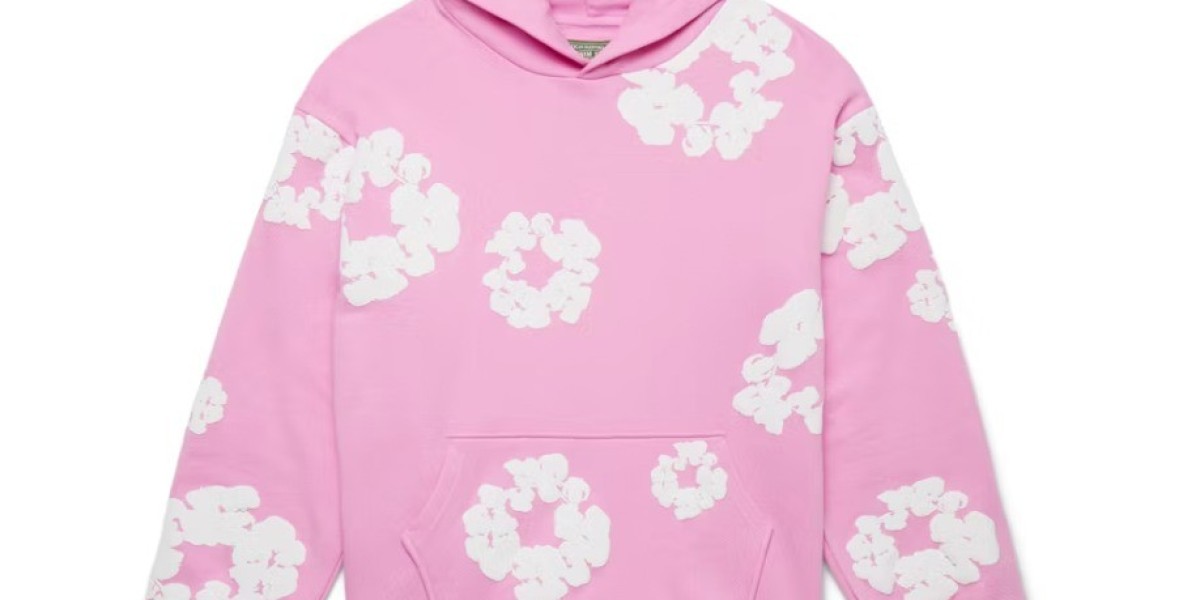

Introduction
Denim Tears Clothing isn’t just a brand—it’s a full-blown cultural conversation stitched into fabric. When people first hear the name, many assume it’s another trending streetwear label riding the hype wave. But the truth is deeper, richer, and much more emotional. Denim Tears is a storytelling vessel, an artistic rebellion, and a historical reflection disguised as everyday fashion. What makes it stand out is not just the clothes themselves, but the message burning behind every stitch, print, and symbol. Denim Tears Clothing: A Deep Dive Into the Cultural Fashion Phenomenon. In an era where brands push aesthetics for the sake of virality, Denim Tears dares to push purpose.
One of the first things that pulls people into the Denim Tears universe is how effortlessly it blends fashion with real historical context. Instead of chasing every trend, it builds its own lane—rooted in heritage, culture, and lived experience. This isn’t clothing made to look cool; it’s clothing made to make you think. And somehow, it still looks unbelievably cool. From the cotton wreath logo to capsule collections honoring the African diaspora, the brand uses denim like a canvas, painting stories that for too long were erased, ignored, or glossed over.
But why has Denim Tears exploded in popularity? Simple: because authenticity sells—but real authenticity, not the algorithm-friendly kind. Tremaine Emory, the founder, isn’t performing activism for aesthetics. He’s telling stories from his community, his lineage, and his heart. This sincerity resonates deeply with a generation hungry for depth in a world full of noise. When you wear Denim Tears, you’re not just buying a piece of clothing; you’re stepping into a legacy that confronts history with elegance, beauty, and boldness.
And as mainstream fashion continues to evolve, Denim Tears stands tall as a reminder that style can have substance—and that sometimes, a pair of jeans can teach a lesson no textbook ever did.
The Origins of Denim Tears
Understanding Denim Tears starts with understanding the man behind the movement: Tremaine Emory. Before the world associated him with cotton-wreath denim or collaborations with giants like Levi’s and Adidas, Emory was already quietly shaping the cultural landscape. Born in Georgia and raised in Queens, New York, he grew up between two realities—Southern roots filled with African American history and Northern city life fueled by creativity and raw self-expression. These dual environments shaped his worldview, his values, and eventually, the essence of Denim Tears.
Tremaine didn’t just stumble into fashion; he lived in it. His early years were spent observing street culture, music, and art merge into something powerful. He didn’t chase the flashiness of fashion—he chased the narrative behind it. His career kicked off behind the scenes, assisting influential figures in fashion and entertainment. Denim Tears Hoodie From working with Kanye West’s creative teams to rubbing shoulders with Virgil Abloh and the Cactus Plant Flea Market collective, Tremaine gradually built a resume that blended art direction, culture, and creative expertise.
But Denim Tears wasn’t born out of hype or industry privilege. It originated from something deeply emotional—Emory’s desire to use clothing as a vehicle for preserving Black history. After facing personal challenges, including the loss of his mother, Tremaine sought a way to honor the legacy of African Americans in a way that felt authentic and timeless. Denim, with its American roots and symbolic connection to labor and culture, became the perfect medium.
The brand debuted quietly, but instantly turned heads. Not because of a marketing push, but because the story behind it felt real. Denim Tears Clothing: A Deep Dive Into the Cultural Fashion Phenomenon. Denim Tears wasn’t selling fashion—it was selling truth. And in a world full of curated illusions, truth hit harder than any trend.
Over time, the vision grew bigger. Emory realized Denim Tears could challenge the fashion system, educate the public, and reclaim narratives erased by history books. The brand became a testament to resilience, creativity, and remembrance. Today, its origins continue to shape its mission, proving that Denim Tears isn’t just a brand—it’s a cultural archive stitched into wearable art.
Cultural Significance Behind Denim Tears Designs
When you look at a piece of Denim Tears clothing, you’re not just seeing denim, prints, or clever graphics—you’re seeing history reimagined. Tremaine Emory deliberately designs pieces that speak to the African American experience. And not in a superficial or performative way. His designs function like visual essays, using fashion as a medium to educate, provoke, and reflect.
At the core of this cultural significance is the brand’s dedication to reclaiming symbols historically tied to oppression and transforming them into symbols of pride and remembrance. For many, clothes are simply aesthetic choices, but for Denim Tears, they are conversations. When someone wears the cotton wreath jeans or the branded hoodies, they are carrying a story on their body—one that sparks questions, reactions, and dialogue.
The beauty of Denim Tears lies in its subtlety. Instead of overwhelming consumers with obvious political messaging, it grounds its designs in symbolism. These symbols, once decoded, reveal layers of meaning that connect generations. The cotton wreath, for example, isn’t just a design choice—it is a bold acknowledgment of the painful history of slavery, paired with a reclamation of identity. It transforms an object tied to suffering into an emblem of empowerment.
Denim Tears also focuses heavily on the diaspora experience. Many of the collections highlight the struggles, triumphs, and cultural contributions of Black people across the world. Denim Tears Clothing: A Deep Dive Into the Cultural Fashion Phenomenon. From the Caribbean to America, from West Africa to contemporary street culture, the brand weaves together a mosaic of influences that pay homage to ancestors while speaking directly to today’s youth.
But cultural significance doesn’t stop with symbolism—it also exists in how the clothing is received. Denim Tears has become a uniform for people who are proud of their heritage and unafraid to express it. It has also become a learning moment for those unfamiliar with the history it represents. In that sense, the brand acts as both celebration and education, proving fashion can be a teacher just as much as it is a trendsetter. Shop Now