
The catch is that no single design works for every occasion. A junior tournament might need a hundred simple awards, while a club championship calls for something more substantial and personal. Good award design comes down to a few practical decisions: who's receiving it, what you're recognising, and how the presentation will run. Here's how to work through it.
Start With the Purpose of the Award
Before you pick anything, define what the award recognises. Common categories include first through third place, team championships, most improved, best and fairest, leadership, participation, volunteer contribution and years of service.
Knowing the purpose tells you how significant each award should feel. A championship trophy deserves a weightier design than a participation award handed to every competitor. Both matter — they just serve different jobs and should be designed accordingly.
Think About Who's Receiving the Awards
The recipient should shape the design. Awards for young children need to be simple, easy to hold and visually fun. Senior competitors and long-serving members tend to appreciate something more formal that suits display.
Ask yourself: What's the age group? Is this competitive or participation-based? Will the award be displayed or kept as a keepsake? Are you recognising individuals or teams? Answering these first stops an award from feeling disconnected from the achievement behind it.
Work Out How Many Awards You Need
Quantity drives everything else. A small club night might involve ten major awards; a tournament could need hundreds across several categories. Build an award list before choosing designs, covering recipients, categories, placings, team awards, individual awards, participation and special recognition. This keeps the budget realistic and stops you discovering a missed category the week before the event.
Consider Custom Medals for Larger Events
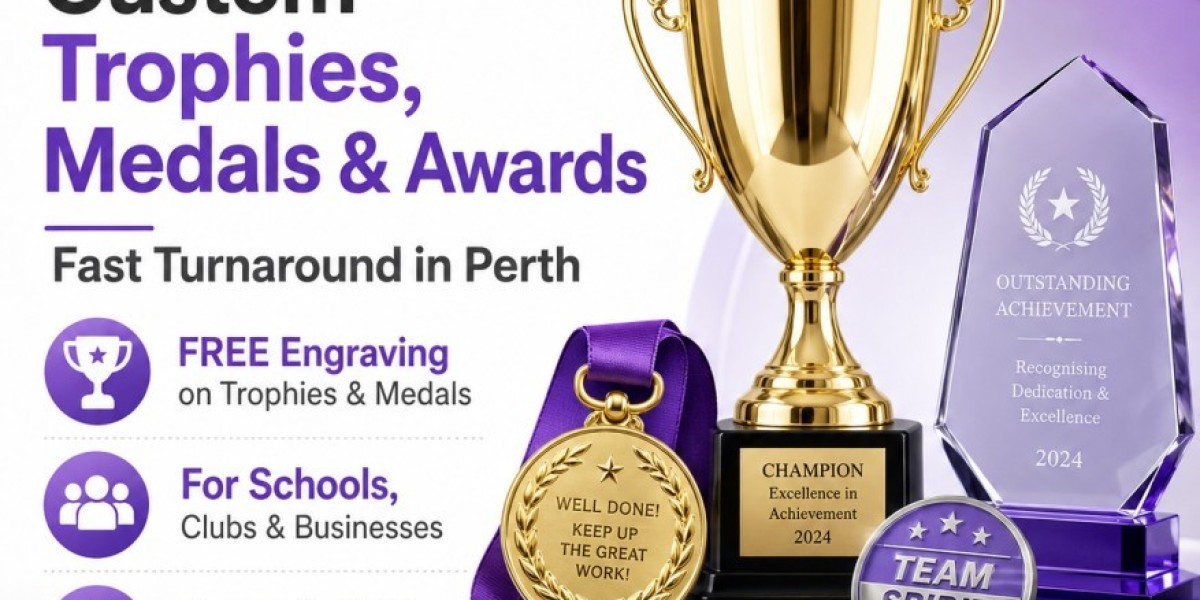
Big sporting events, school competitions and tournaments need an award that's quick to hand out but still feels personal. This is where custom medals earn their place — they let organisers give every place-getter a keepsake that reflects the identity of the competition.
Depending on the design, custom medals can carry the event name, club identity, competition year, achievement category and relevant artwork or branding. The one rule: keep it readable. Cramming too much onto a small medal makes it look crowded, so prioritise the details that actually matter.
Establish a Clear Award Hierarchy
If your event has multiple levels — champion, runner-up, third, finalist, participation — the awards should make that hierarchy obvious. You can signal it through size, design or wording. Just don't let the lower levels feel like an afterthought. Someone collecting a participation or improvement award should still feel their effort was genuinely recognised.
Get Your Trophy Engraving Right
The wording deserves as much attention as the physical award. Good trophy engraving is clear and concise — usually the recipient's name, the award title, the club or event, and the year. For example:
Jordan Smith
Best and Fairest
2026 Senior Club Awards
A short, clean line reads far better than a long congratulatory paragraph, and it's easier to take in at a glance. Prepare all your engraving text in advance and check every detail before the order goes through.
Double-Check Every Name
Proofreading is the simplest step and one of the most important. A misspelled name quietly undercuts an otherwise well-planned award. Before submitting personalisation, check first names, surnames, team and club names, event titles, categories, dates and years. For large orders, keep a master spreadsheet and have a second person review it — fresh eyes catch what you'll skim past.
Keep Branding Consistent
Clubs usually want awards that reflect their identity, which you can build through club colours, logos, typography and repeated wording across categories. Branding should support the achievement, not dominate it — the recipient's name and the reason for recognition stay the priority. A balanced design connects the award to the organisation while keeping the focus on the person holding it.
Match the Design to the Occasion
An award should suit the room it's presented in. A junior sports carnival has a very different feel from a formal awards dinner, and an end-of-season team night differs from a regional competition. Decide whether the event is formal, informal, competitive, participation-focused or corporate, and choose a style that feels right in that setting. It's also worth remembering most presentations get photographed for newsletters and social media, so avoid anything so small it disappears in a group photo or so oversized it's awkward for younger recipients.
Team Awards Versus Individual Awards
A team achievement can be recognised with one major trophy for the club display, individual keepsakes for every player, or both — a championship team might take home a display trophy while each member receives their own medal. The right mix depends on budget, team size, the importance of the competition and club tradition. Decide early so you can plan the full quantity accurately, and leave a little budget flexibility for special awards that come up mid-season, like a long-service or outstanding-contribution recognition.
Plan the Logistics and Presentation Order
Awards have to physically get to the venue and be handed out in order. For large events, think about how many boxes you'll need, whether items are fragile, where they'll be stored, and how presenters will grab the right one quickly. Arranging awards in presentation sequence — participation, age-group winners, team awards, individual performance, major championships, then special recognition — keeps the ceremony flowing and avoids awkward pauses while someone hunts for the next trophy.
Choosing a Trophy Shop in Perth
When you're comparing options for a trophy shop Perth organisers can rely on, come prepared. Know roughly what award types you need, how many recipients there are, what personalisation is required, when the presentation is, and what budget you're working with. Having this ready makes the selection focused and cuts out rushed, last-minute decisions.
Build in enough lead time, too. Work backwards from the event date to confirm categories, finalise names, check spelling, prepare engraving and review the final order. For annual presentations you can lock in formats and categories early, then supply the winners' details closer to the day.
Frequently Asked Questions
Can custom medals include our club logo?
Yes — depending on the design, custom medals can feature your club identity, event name, year and artwork, provided the layout stays readable.
How much text should go on trophy engraving?
Keep it short: a name, award title, event and year usually work better than a long message and are easier to read at a glance.
Final Thoughts
Designing awards well is a balance of meaning, appearance, practicality and budget. Start with what you're recognising and who's receiving it, set a clear hierarchy, and choose formats that suit both the occasion and the numbers. Custom medals handle large groups with ease, clean trophy engraving keeps the recognition clear for years, and a well-prepared brief makes choosing the right trophy shop in Perth far simpler. When the design, wording and presentation all point to why the achievement matters, even a simple award becomes something worth keeping.