
If your back has been giving you grief for months, maybe years, you've probably heard someone mention spinal decompression and wondered whether it's trying worth. The hesitation makes sense. Nobody wants to climb onto a machine they don't understand. Back on Trac Therapy in Rockville Center NY is one of the most talked-about options right now, and for good reason. It's not a rough, manual pull or an old-school traction table. The system works differently, and once you understand what it actually does to your spine during a session, the whole thing feels a lot less intimidating.
How Back on Trac Differs from Traditional Traction
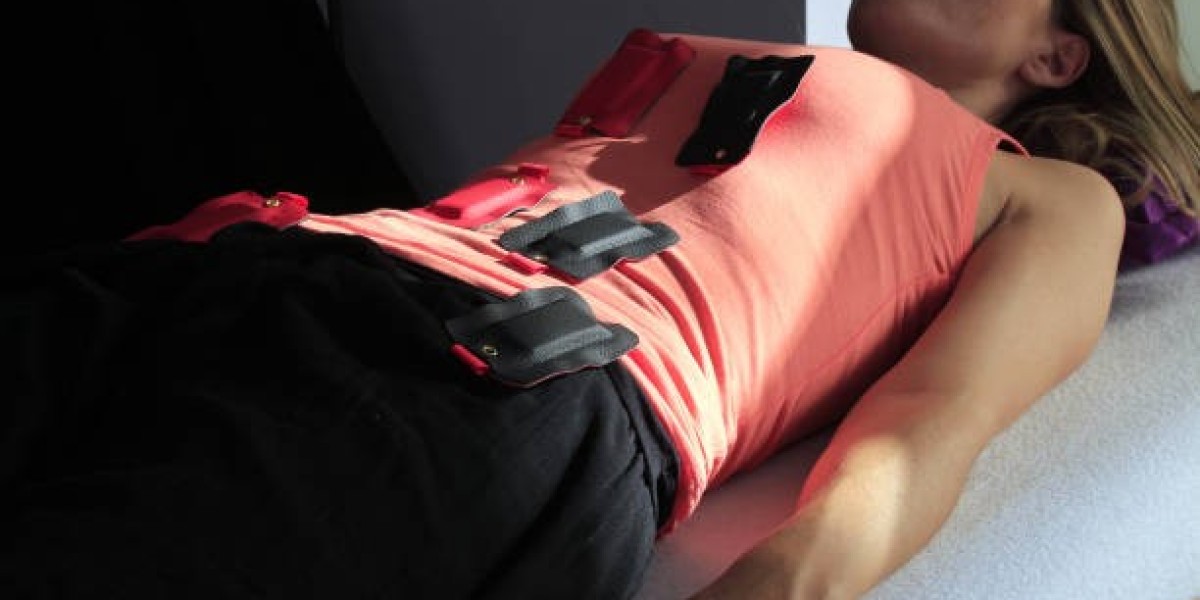
Old-school traction involves strapping you down and pulling. Simple concept, but the results were hit or miss. The Back on Trac system takes a different approach. It uses a motorized frame that supports your body weight while simultaneously rotating, stretching, and decompressing multiple spinal segments at once. Not just one spot. The whole lumbar region gets attention in a single session.
Traditional manual decompression usually targets one level of the spine at a time. That works for some people. But if you've got issues spread across a few discs, or if muscle tension is part of the problem, a single-level pull doesn't address everything going on. The Back on Trac device wraps around your torso and pelvis, cycling through gentle movement patterns that coax the spine open rather than yanking it. That distinction matters a lot.
Worth knowing: the device also incorporates rotation and oscillation, not just linear pull. That combination is what separates it from older equipment. According to research on spinal decompression therapy , creating negative intradiscal pressure is the key mechanism behind symptom relief, and the Back on Trac system is specifically designed to produce that effect consistently.
What Actually Happens to Your Spine During a Session
Here's the mechanical part, explained plainly. You step into the device and get secured at the hips and torso. The machine then begins a slow, controlled sequence. It lifts and offloads your body weight, which immediately reduces the compressive force your discs normally carry from gravity and muscle tension. From there it introduces gentle rotation and flexion, cycling through positions that open the spaces between vertebrae.
When those spaces open, the pressure inside the disc drops. That drop in pressure creates a kind of suction effect. Fluids, nutrients, and oxygen get pulled back into the disc material. If you've got a herniated disc pushing on a nerve, that suction can pull the bulge back toward the center, even a little. That's enough to take pressure off the nerve root. That's where the pain relief comes from.
Muscle relaxation happens almost automatically during this process. When the spine decompresses, the surrounding muscles don't have to work as hard to stabilize everything. They let go. A lot of patients describe feeling like someone turned the tension dial down. Not just in the back, but in the hips and legs too, especially if sciatica has been part of the picture.
Conditions That Tend to Respond Well
Not every back problem is the same, and this treatment isn't for everyone. But certain conditions consistently show up in the list of cases that respond well to this type of decompression. Herniated discs are the big one. Bulging discs, degenerative disc disease, and facet syndrome also tend to respond. Sciatica caused by disc compression, not by something like piriformis syndrome, is another good candidate.
Herniated or bulging lumbar discs
Degenerative disc disease at one or more levels
Sciatica from disc-related nerve compression
Facet joint irritation from chronic compression
General lumbar stiffness that hasn't responded to stretching or rest
People with spinal fractures, severe osteoporosis, or certain surgical hardware in the spine usually aren't good candidates. Any decent provider will screen you before you ever get on the device. If you're considering Back on Trac Decompression Therapy in Rockville Center NY, a proper intake evaluation should be part of the process before session one.
What You'll Feel During and Right After
Most people expect it to hurt. It doesn't. The sensation during a session is hard to describe if you've never felt real spinal decompression before. The closest thing is that feeling of relief you get when you hang from a bar and let your spine stretch out, but gentler, slower, and much more controlled. Some people feel a slight pulling at the hips. That's normal.
During the session, the rhythmic movement of the machine tends to be almost meditative. A lot of patients close their eyes. Some fall half asleep. The session usually runs somewhere between 20 and 30 minutes depending on the protocol. When it's done, most people describe feeling lighter. Less compressed. A few report that their leg symptoms, tingling or numbness from sciatica, feel quieter immediately afterward.
There can be mild soreness the next day, similar to what you'd feel after a good stretch session. That's your muscles adapting. It typically fades within 24 hours. If you're working with Robert Gerov Media to research clinics or find information about this kind of treatment, make sure the provider you're looking at offers a proper consultation and doesn't just jump straight to sessions without assessing your history first.
How Many Sessions Before You Feel a Difference
This is the question everyone asks. Honest answer: it varies. Some people feel meaningful relief after two or three sessions. Others need eight to ten before the change becomes consistent. The timeline depends on how long you've had the problem, how much disc degeneration is present, and how your body responds to decompression in general.
A typical course of treatment runs somewhere between 12 and 20 sessions, spread over several weeks. That might sound like a lot. But compare it to months of pain, medication, or the recovery time from a surgical procedure, and it puts things in perspective. Back on Trac Decompression Therapy in Rockville Centre NY is typically offered as a series, not a one-off visit, because the discs need repeated decompression to fully respond and stay that way.
What helps the results stick? Staying active between sessions, doing any exercises your provider recommends, and not sitting for hours on end. The decompression opens things up, but your habits between appointments affect how long it holds. Back on Trac Therapy in Rockville Centre NY works best when it's part of a broader plan, not just a standalone fix.
Frequently Asked Questions
Is Back on Trac therapy painful?
No, not for most people. The session is slow and controlled, and the pressure used is adjusted to your comfort level. You might feel a gentle pulling sensation, but sharp pain isn't part of a properly run session. If something hurts, you tell the provider and they adjust.
How long does a single session take?
Most sessions run between 20 and 30 minutes on the device itself. Add in time for setup and any additional treatment your provider includes, and you're typically looking at 45 minutes to an hour total for the appointment.
Can Back on Trac help with sciatica?
It can, yes, particularly if your sciatica is caused by a disc pressing on a nerve root. The decompression reduces that pressure, which often quiets the radiating pain down the leg. It's less effective for sciatica that comes from muscle issues rather than disc compression.
Is this the same as regular spinal traction?
Not exactly. Traditional traction pulls in one direction. The Back on Trac system adds rotation and oscillation, which targets more of the spinal structures at once and tends to produce more consistent negative intradiscal pressure. The two aren't interchangeable.
How do I know if I'm a good candidate?
The best way is a proper evaluation from a chiropractor or provider who uses the device. They'll look at your imaging, your symptoms, and your history before recommending a treatment plan. Don't skip that step. It's the part that makes the difference between a session that helps and one that doesn't.
If you've been managing back pain for a while and haven't found something that actually addresses the root cause, decompression therapy is worth a serious look. The science behind it is solid, the treatment itself is gentle, and for the right candidate, the relief can be real and lasting.