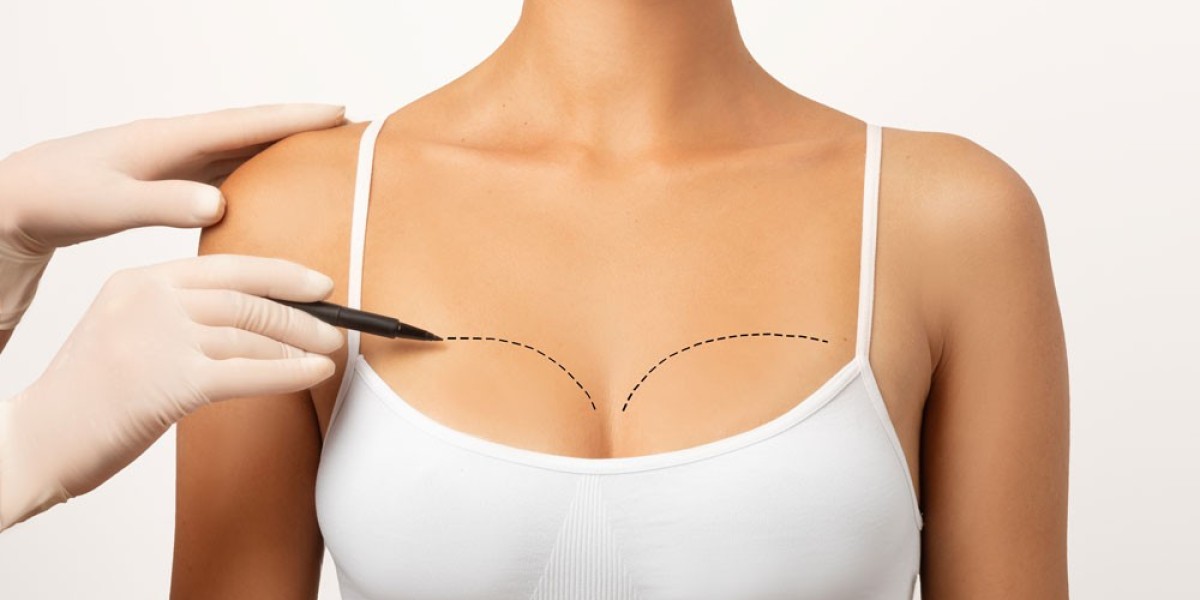

Breast augmentation is a cosmetic procedure designed to increase breast size, improve breast shape, or restore volume that may have changed after weight loss, pregnancy, breastfeeding, or natural aging. For Pakistani women considering this procedure, understanding the consultation process, implant choices, recovery, results, and possible risks is important before making a decision. Breast Augmentation in Islamabad can be considered when a patient has realistic expectations and is medically suitable for surgery.
What Is Breast Augmentation?
Breast augmentation, also called augmentation mammoplasty, involves placing implants beneath the breast tissue or chest muscle to increase breast volume. Breast implants generally have a silicone outer shell and may be filled with saline or silicone gel. The appropriate option depends on factors such as body proportions, existing breast tissue, desired appearance, and the recommendations of a qualified surgeon.
The goal is not simply to increase breast size. A well-planned procedure aims to create proportions that complement the patient's overall body shape while maintaining a natural-looking appearance.
What Should Pakistani Patients Expect During Consultation?
The consultation is an important part of the process. Patients should be prepared to discuss their aesthetic goals, medical history, previous surgeries, medications, allergies, pregnancy plans, and any concerns about breastfeeding.
The surgeon may assess breast size and shape, skin quality, existing breast tissue, chest dimensions, and natural asymmetry. Different implant sizes, shapes, placements, and incision locations may then be discussed.
Patients should also ask about the specific implant being recommended, its manufacturer information, potential complications, expected recovery, follow-up requirements, and what happens if the implant eventually needs replacement or removal. The FDA emphasizes that patients should receive detailed implant information and understand the benefits and risks before surgery.
Choosing the Right Implant
Implant selection should be individualized rather than based only on a desired cup size. A patient's existing breast tissue, chest width, skin elasticity, lifestyle, and aesthetic goals can all influence the appropriate implant.
Silicone gel-filled and saline-filled implants are two major implant categories. They differ in filling material and characteristics, so discussing their advantages and limitations with a qualified surgeon is essential.
Patients should avoid choosing an implant solely because a particular size looks attractive on someone else. Body proportions vary significantly, and the same implant can produce different results in different patients.
What Happens During the Procedure?
Breast augmentation is generally performed under anesthesia, and the procedure can take one to several hours depending on the surgical plan and individual circumstances. Implants may be positioned under breast tissue or beneath the chest muscle. The incision location also varies according to the patient's anatomy and the surgical approach.
After surgery, patients can expect some swelling, bruising, tightness, and discomfort. These symptoms usually improve gradually during recovery, but the exact recovery period varies from person to person.
Recovery After Breast Augmentation
Following the surgeon's instructions is essential for a smooth recovery. Patients may initially need assistance with household activities and should avoid strenuous exercise or heavy lifting until they are medically cleared.
The breasts may look swollen or feel different during the early healing period. Final appearance can take time to develop as swelling decreases and the tissues settle around the implants.
Patients should attend scheduled follow-up appointments and immediately report unusual symptoms such as increasing pain, significant swelling, redness, drainage, fever, or sudden changes in breast appearance.
Understanding the Risks
Like any surgical procedure, breast augmentation has potential risks. These can include infection, bleeding, pain, changes in breast or nipple sensation, asymmetry, scarring, implant displacement, rupture, and capsular contracture, in which scar tissue around the implant becomes tight or firm.
Breast implants are also not considered lifetime devices. Over time, some patients may require additional surgery for replacement, removal, or treatment of complications. Silicone implants can also experience silent rupture, which may require imaging such as MRI or ultrasound for evaluation according to medical guidance.
There is also a rare risk of breast implant-associated anaplastic large cell lymphoma (BIA-ALCL), particularly associated with certain textured implants. Patients should discuss this risk and the characteristics of their proposed implant with their surgeon.
What Results Can You Expect?
Breast augmentation can create fuller breasts and improve body proportions, but results differ between individuals. Factors such as implant selection, natural breast anatomy, skin elasticity, pregnancy, aging, and changes in body weight can influence the long-term appearance.
Patients should have realistic expectations and understand that cosmetic surgery enhances existing anatomy rather than guaranteeing a particular appearance.
Frequently Asked Questions
Is breast augmentation suitable for every woman?
No. Suitability depends on overall health, breast anatomy, medical history, expectations, and individual circumstances. A professional consultation is necessary before deciding.
Can breast augmentation affect breastfeeding?
Breast surgery may affect breastfeeding for some patients, depending on factors such as the surgical technique and individual anatomy. Discuss future pregnancy and breastfeeding plans during consultation.
How long do breast implants last?
Breast implants are not lifetime devices. Some patients may eventually need additional surgery for replacement or removal, although the timing varies considerably between individuals.
Will breast augmentation leave scars?
Incisions are required to place implants, so some scarring is expected. The location and appearance of scars can vary depending on the surgical technique, healing process, and individual skin characteristics.
Can I have mammograms after breast augmentation?
Yes, but patients should tell the mammography facility that they have breast implants. Additional imaging or specialized techniques may sometimes be recommended depending on the circumstances.
Final Thoughts
Breast augmentation is a personal decision that requires careful consideration of aesthetic goals, implant choices, recovery, long-term monitoring, and potential complications. Pakistani patients considering Breast Augmentation in Islamabad should prioritize a qualified medical professional, appropriate surgical facilities, transparent implant information, and realistic expectations. A detailed consultation can help determine whether breast augmentation is an appropriate option and which approach best suits the individual's anatomy and goals.