
Introduction
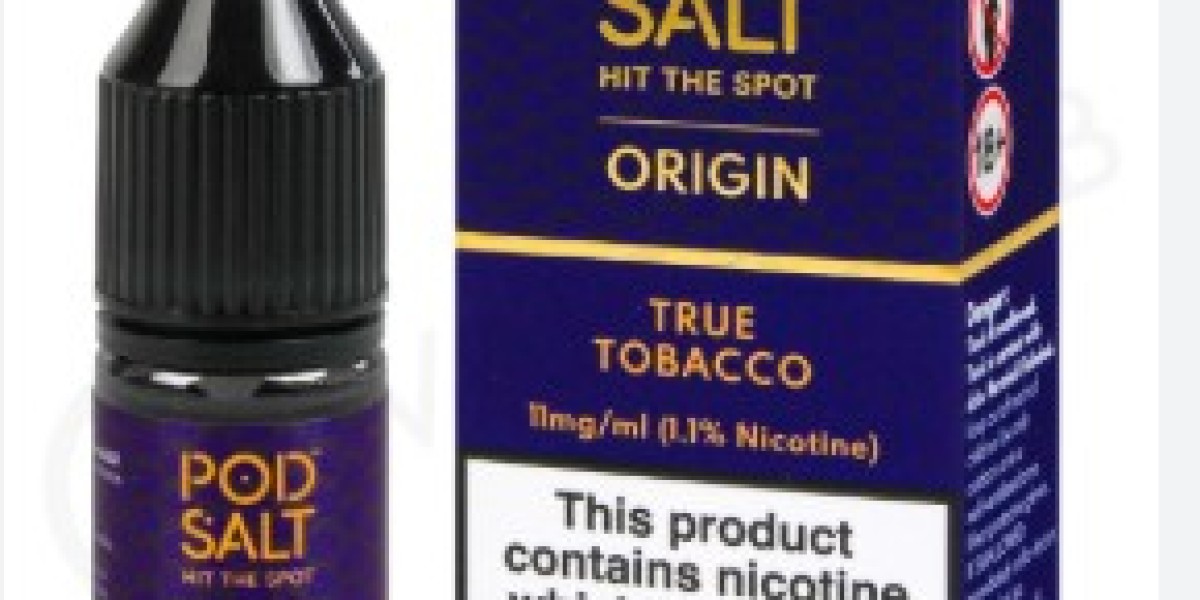
Nic salt e-liquids have become a familiar product within the modern vaping industry. The term “nic salt” is short for nicotine salt, a form of nicotine used in many contemporary e-liquids. These products are commonly associated with compact pod systems and are available in a broad range of flavours and nicotine concentrations.
Nicotine salts differ from traditional freebase nicotine because they are formulated by combining nicotine with an organic acid. This changes certain properties of the nicotine and can create a smoother sensation when inhaled, particularly at higher concentrations. Their development has helped shape the popularity of smaller, lower-powered vaping devices.
Despite their convenience and popularity, nic salt e-liquids are still nicotine-containing products. Nicotine is addictive, so these products should be approached responsibly. Understanding their composition, characteristics, flavours, device compatibility, and safety considerations can help adult consumers make better-informed decisions.
What Are Nic Salt E-Liquids?
Nic salt e-liquids are vaping liquids that use nicotine salts as their nicotine source. Nicotine salts are created by combining nicotine with an organic acid. The resulting formulation has different characteristics from traditional freebase nicotine.
Freebase nicotine has been used in e-liquids for many years. Some users find that higher concentrations of freebase nicotine can produce a stronger throat sensation. Nicotine salt formulations are generally designed to provide a smoother experience at higher nicotine strengths.
Nic salt e-liquids are often formulated for use with low-powered devices, particularly pod systems. The exact nicotine concentration varies between products and markets, so consumers should carefully check packaging before use.
Although nicotine salts may feel smoother, they still contain nicotine and can contribute to dependence. A smoother inhalation experience should not be interpreted as meaning that the product is harmless.
Nic Salt vs. Freebase Nicotine
The primary difference between nic salt and traditional e-liquids is the form of nicotine they contain. Freebase nicotine is the conventional form used in many standard e-liquids, while nicotine salts are produced using nicotine combined with an organic acid.
The devices used with these products can also differ. Nic salt e-liquids are commonly paired with compact pod systems that operate at relatively low power. Traditional freebase e-liquids, particularly those with lower nicotine concentrations, are often used with larger devices designed to produce greater vapour volumes.
The sensation can also vary. Nicotine salts are generally associated with a smoother throat feel at higher nicotine concentrations, while freebase nicotine can provide a more noticeable throat sensation as strength increases.
Neither formulation should be considered risk-free. Consumers should focus on the nicotine concentration, device specifications, product instructions, and applicable regulations when evaluating an e-liquid.
A Wide Variety of Flavours
Flavour variety is one of the most recognizable features of the nic salt market. Depending on local regulations and individual manufacturers, products can be available in fruit, tobacco, menthol, mint, dessert, beverage, and mixed flavour profiles.
Fruit-inspired options can include berry, citrus, apple, tropical fruit, and combinations of several flavours. Menthol and mint products generally provide cooling or refreshing profiles. Tobacco-inspired varieties may be selected by adults who prefer a more traditional taste.
Dessert and beverage-inspired flavours can provide sweeter or more distinctive alternatives. However, the availability of particular flavours varies from one market to another because regulations may restrict certain flavour categories or marketing practices.
Consumers should check local regulations and carefully examine product labels before making a purchase.
Devices for Nic Salt E-Liquids
Nic salt e-liquids are frequently used with pod systems. These devices are usually smaller and more portable than larger, high-powered vaping kits. Their relatively simple design can make them convenient for adults who prefer a compact setup.
Device compatibility is important because different e-liquids and devices are designed to work under different conditions. Consumers should follow the manufacturer's recommendations regarding e-liquid strength and device operation.
Instructions for filling pods, charging batteries, replacing coils, and maintaining the device should also be followed. A device that appears damaged or defective should not be used until it has been appropriately assessed or replaced.
Using compatible equipment can help prevent problems and provide a more consistent experience.
Why Are Nic Salt E-Liquids Popular?
The popularity of nic salt e-liquids can be attributed to several factors. Their smoother sensation at higher nicotine concentrations is one of the main characteristics that distinguishes them from many freebase products.
Compact pod systems have also contributed to their popularity. Compared with larger vaping devices, pod systems are generally lightweight and easier to carry. They may also require fewer settings and adjustments, making them straightforward for adult users who prefer a simple device.
Another characteristic is vapour production. Nic salt e-liquids are commonly used in lower-powered devices that produce less vapour than many high-output systems. This can appeal to adults who prefer a more restrained vaping experience.
However, convenience does not change the addictive nature of nicotine. Regular consumption can result in dependence, regardless of the device or nicotine formulation.
Understanding Nicotine Strength
Nicotine concentration is an important consideration when purchasing or using an e-liquid. Nic salt products can be available in different strengths, and the concentration may vary considerably between products.
Consumers should always read the label and understand the stated nicotine content before using an e-liquid. It is also important to make sure that the product is appropriate for the selected device.
Higher nicotine concentrations are not automatically better or more suitable. Using an unsuitable concentration may result in an unpleasant experience or excessive nicotine exposure. Following manufacturer recommendations is therefore essential.
Adults who are already using nicotine and want to reduce their consumption can consider speaking with a qualified healthcare professional or a recognized cessation service for appropriate support.
Storage and Handling
Nic salt e-liquids require careful storage because they contain nicotine. Bottles should be closed securely when not in use and kept in a location that is inaccessible to children and pets.
Accidental exposure to nicotine-containing liquid can be harmful. Users should avoid unnecessary contact with e-liquid and should follow appropriate safety guidance if a spill occurs.
Keeping the original bottle and packaging is useful because it provides access to information about ingredients, nicotine concentration, manufacturer details, and safety warnings.
Consumers should also be cautious with products that have damaged packaging, leaking bottles, missing labels, or unclear ingredient information. Products should be handled according to the instructions provided by the manufacturer.
Buying Nic Salt E-Liquids Responsibly
Product quality and regulatory compliance are important considerations when purchasing nicotine salt e-liquids. Consumers should look for products with clear labelling and sufficient information about nicotine concentration, ingredients, manufacturer details, and required warnings.
Purchasing from reputable and legally operating retailers can help reduce the risk of receiving products with unclear origins or inadequate information.
Regulations differ substantially between countries and regions. Authorities may establish requirements covering nicotine strength, bottle sizes, packaging, labelling, advertising, flavours, and sales. Consumers should therefore understand the rules that apply where they live.
Products with missing or misleading information should be approached with caution.
Who Should Avoid Nicotine Products?
Nic salt e-liquids are intended for adults who already choose to use nicotine. People who do not currently consume nicotine should not begin using these products simply because they are available in different flavours or convenient formats.
Young people should not use nicotine products. Pregnant individuals are also generally advised to avoid nicotine because of potential risks associated with nicotine exposure during pregnancy.
Nicotine dependence can develop through repeated use. Individuals who are concerned about their nicotine consumption or want to quit can seek professional advice and cessation support.
The important distinction is that understanding nicotine products is not the same as considering them harmless. Nic salt e-liquids remain products containing an addictive substance.
Conclusion
Nic salt e-liquids have become an established part of the vaping market, particularly through their association with compact pod systems. Their nicotine salt formulation can provide a smoother sensation at higher nicotine concentrations, while their compatibility with low-powered devices makes them convenient for many adult nicotine users.
The wide range of available flavours has also contributed to their popularity. However, product availability and flavour choices vary according to local regulations, and consumers should always check current requirements before purchasing or using nicotine products.
Understanding nicotine strength, device compatibility, product labelling, storage requirements, and manufacturer instructions is essential for responsible handling. Consumers should also remember that nicotine is addictive and that a smoother vaping experience does not mean that a product is risk-free.
For adults who already use nicotine, learning about the differences between nic salt and freebase e-liquids can provide useful information when considering available products. For people who do not currently use nicotine, avoiding the start of nicotine consumption remains the most reliable way to avoid nicotine dependence.
Ultimately, nic salt e-liquids should be viewed realistically: they are modern nicotine products with specific characteristics, not harmless lifestyle products. Accurate information and responsible decision-making are important for anyone considering their use.