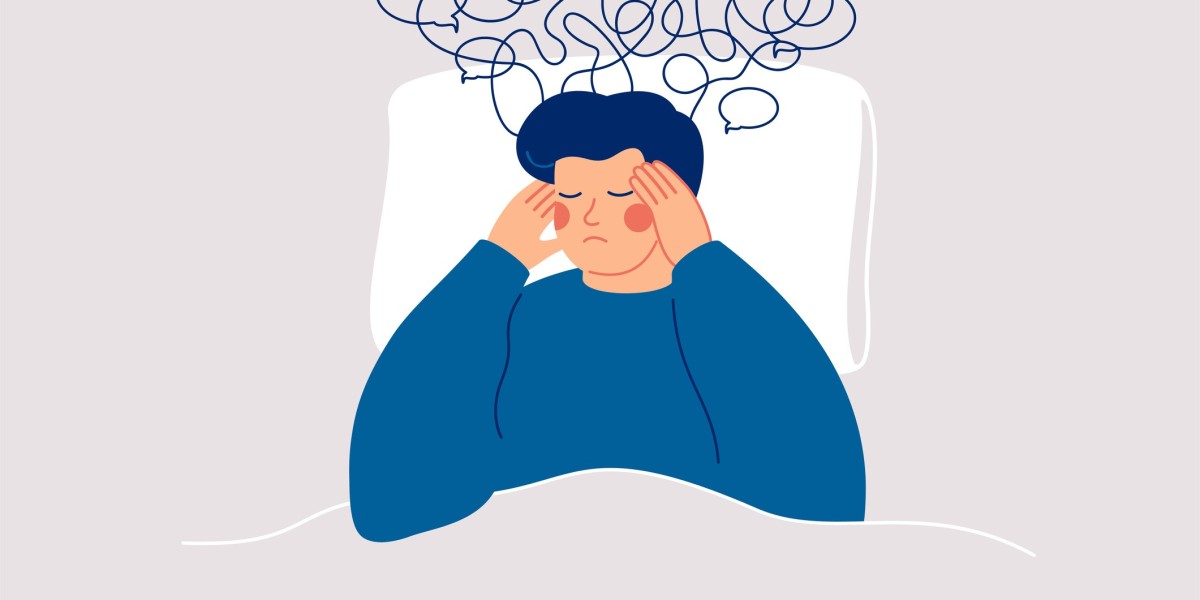

Obsessive-compulsive disorder (OCD) and anxiety disorders can both involve excessive worry, fear, distress, and repetitive thoughts. Because some symptoms can appear similar, people may find it difficult to understand the difference between OCD vs anxiety. However, these are not simply two names for the same condition.
OCD is characterized by obsessions, compulsions, or both, while anxiety disorders can involve persistent fear, worry, nervousness, and avoidance. Understanding how these conditions differ can make it easier to recognize symptoms and seek appropriate professional support.
What Is OCD?
Obsessive-compulsive disorder is a mental health condition involving recurring unwanted thoughts, images, or urges known as obsessions. These experiences can create significant anxiety or distress.
Compulsions are repetitive behaviors or mental acts that a person feels driven to perform in response to an obsession or according to rigid rules.
Common OCD Symptoms
OCD symptoms can include:
- Unwanted intrusive thoughts
- Fear of contamination
- Repeated checking
- Excessive cleaning or washing
- Reassurance seeking
- Counting or repeating actions
- Fear of causing harm
- Need for things to feel “just right”
- Mental reviewing or checking
Not every repetitive behavior is a compulsion. The behavior or mental act is generally connected to an obsession or a strong internal need to reduce distress.
What Is Anxiety?
Anxiety is a normal emotional response to stress or perceived danger. It becomes a mental health condition when worry or fear becomes persistent, excessive, and disruptive to daily functioning.
There are several anxiety disorders, including generalized anxiety disorder, panic disorder, social anxiety disorder, and specific phobias.
Common Anxiety Symptoms
Anxiety may involve:
- Persistent worrying
- Nervousness or fear
- Restlessness
- Difficulty concentrating
- Irritability
- Muscle tension
- Sleep difficulties
- Avoidance
- Rapid heartbeat or other physical symptoms
The specific symptoms depend on the type of anxiety disorder a person is experiencing.
OCD vs Anxiety: The Main Difference
The biggest distinction involves the nature of the thoughts and behaviors.
OCD Involves Obsessions and Compulsions
A person with OCD may experience an intrusive thought that creates intense distress and then feel compelled to perform a particular action or mental ritual.
For instance, someone may repeatedly check a door because of an intrusive fear that something terrible will happen if it is not checked enough times.
The checking may temporarily reduce anxiety, but the cycle can return.
Anxiety Often Centers on Worry
Anxiety may involve ongoing concerns about everyday situations, future events, health, relationships, finances, work, or social interactions.
A person may repeatedly think about possible problems without necessarily experiencing compulsions.
This difference can help professionals distinguish OCD from other anxiety-related conditions.
How Intrusive Thoughts Differ From Worry
Intrusive thoughts can occur in many people, including those without OCD. What matters is their frequency, intensity, meaning, and impact.
Intrusive Thoughts in OCD
OCD-related intrusive thoughts are often unwanted and distressing. A person may be frightened by the thought itself and worry about what it means about them.
They may attempt to neutralize the thought through compulsions, reassurance, avoidance, or mental rituals.
Worry in Anxiety
Anxiety-related worry is often focused on potential problems or uncertain future events.
For example, someone with generalized anxiety may repeatedly worry about work performance, finances, health, or family responsibilities.
The person may seek reassurance or avoid situations, but the pattern does not necessarily involve OCD-style compulsions.
Causes of OCD and Anxiety
Neither OCD nor anxiety has one single cause.
Factors Linked to OCD
OCD may involve a combination of genetic, neurological, psychological, and environmental factors.
Family history may increase vulnerability, while stress can influence symptom severity.
Factors Linked to Anxiety
Anxiety disorders can also develop through multiple influences, including genetics, life experiences, temperament, prolonged stress, and environmental factors.
A person may have a higher risk of anxiety when close relatives have anxiety or other mental health conditions.
Can OCD and Anxiety Occur Together?
Yes. A person can experience OCD and an anxiety disorder at the same time.
Someone with OCD may also experience generalized anxiety, panic symptoms, or social anxiety.
When multiple conditions are present, symptoms can overlap and make diagnosis more complicated. A comprehensive evaluation can help identify each condition and determine appropriate treatment.
OCD vs Anxiety in Daily Life
Both conditions can interfere with everyday responsibilities.
Effects of OCD
OCD can take up significant amounts of time because of compulsions, avoidance, or repetitive mental activities.
Someone may spend a long time washing, checking, organizing, seeking reassurance, or mentally reviewing situations.
Effects of Anxiety
Anxiety can interfere with concentration, sleep, work, relationships, and social activities.
A person may spend large amounts of time worrying about what might happen or avoiding situations that trigger fear.
Treatment Options for OCD
OCD is treatable, and evidence-based therapy is an important part of care.
Cognitive Behavioral Therapy
CBT can help individuals recognize unhelpful patterns of thinking and behavior.
A specific form of CBT called Exposure and Response Prevention (ERP) is commonly used for OCD. It involves gradually facing feared thoughts or situations while learning not to rely on compulsive responses.
ERP should be practiced with appropriate professional guidance.
Medication
Some individuals with OCD may benefit from medication. A psychiatric provider can evaluate symptoms, medical history, and treatment goals before recommending medication.
Medication should only be started, stopped, or changed under professional guidance.
Treatment Options for Anxiety
Treatment for anxiety depends on the type and severity of symptoms.
Psychotherapy
CBT is commonly used to help people recognize anxious thinking patterns and develop healthier responses.
Therapy may also address avoidance, fear, self-confidence, and coping skills.
People looking for anxiety treatment can receive an assessment to determine which therapeutic approach may be appropriate.
Medication Management
Some people with moderate to severe anxiety may benefit from psychiatric medication as part of their treatment plan.
A provider can monitor symptoms and treatment response and make adjustments when appropriate.
Managing OCD and Anxiety Symptoms
Professional treatment is important, but healthy daily habits can also support mental well-being.
Maintain a Consistent Routine
Regular sleep, meals, physical activity, and daily responsibilities can provide structure.
A predictable routine may also make it easier to identify changes in mood or anxiety.
Practice Stress Management
Relaxation techniques, mindfulness, physical activity, and enjoyable hobbies may help reduce general stress.
However, coping techniques should complement professional treatment rather than replace it when symptoms are severe.
Avoid Excessive Reassurance
For people with OCD, repeatedly seeking reassurance can sometimes become part of the compulsive cycle.
Working with a therapist can help individuals learn healthier ways to respond to uncertainty and distress.
When to Seek Professional Help
Consider seeking professional support if obsessive thoughts, compulsions, worry, or fear:
- Take up significant time
- Interfere with work or school
- Affect relationships
- Prevent normal activities
- Cause persistent distress
- Lead to frequent avoidance
- Make daily responsibilities difficult
Early evaluation can help clarify whether symptoms are related to OCD, anxiety, both, or another mental health condition.
Personalized Mental Health Care
OCD and anxiety can look different from person to person. An individual may experience intrusive thoughts, excessive worry, compulsive behaviors, panic symptoms, or several of these experiences at the same time.
Renewed Mental Health Group provides personalized psychiatric care and therapy for children, adolescents, and adults experiencing OCD, anxiety, depression, ADHD, bipolar disorder, psychosis, mood disorders, and other mental health conditions. Their certified providers offer telepsychiatry services as well as in-person office visits, allowing individuals to receive ongoing support based on their symptoms, history, and treatment goals.
Conclusion
Understanding OCD vs anxiety starts with recognizing that the conditions can share symptoms but involve different patterns. OCD is primarily characterized by obsessions and compulsions, while anxiety disorders commonly involve persistent fear, worry, physical symptoms, and avoidance.
OCD and anxiety can also occur together, which makes professional assessment particularly valuable. Treatment may include psychotherapy, medication management, or a combination of approaches depending on the individual's needs.
With appropriate support, people can learn to manage intrusive thoughts, reduce compulsive behaviors, respond to worry more effectively, and improve their overall quality of life. Seeking professional care can be an important step toward understanding symptoms and finding a treatment approach that fits individual needs.