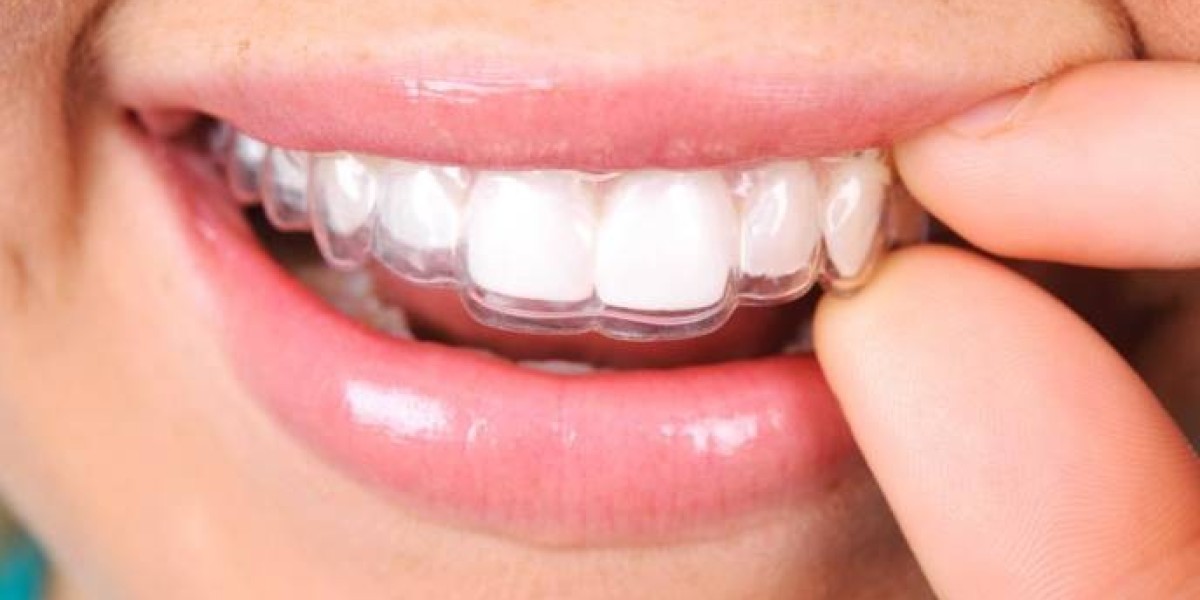

A well-aligned smile is often associated with both aesthetics and oral function, but achieving tooth alignment does not always require traditional braces. Clear aligner treatment has become an increasingly discussed orthodontic option for people who want a more discreet approach to correcting selected alignment concerns. Invisalign treatment uses a series of custom-made, removable clear aligners that gradually guide teeth toward planned positions.
For people researching Invisalign Dubai, understanding how treatment is planned and monitored can provide a clearer picture of what happens throughout the orthodontic process. Treatment is not simply a matter of receiving a set of aligners. It involves an assessment, digital planning, customised movement sequencing, regular progress reviews, and adjustments when needed.
At Cornerstone, treatment planning can be tailored around the patient's dental condition, alignment objectives, and desired smile outcome. Understanding each stage can help patients approach treatment with realistic expectations and a better appreciation of why regular monitoring matters.
What Is Invisalign Treatment?
Invisalign is a clear aligner system designed to gradually move teeth using a series of individually manufactured aligners. Each aligner is created according to a planned stage of tooth movement.
Instead of using fixed brackets and wires, the aligners are transparent and removable. Patients generally wear each aligner according to their orthodontist's instructions before progressing through the planned sequence.
The precise treatment approach depends on the individual's teeth and the movements required. Some cases may involve relatively straightforward alignment, while others require a more detailed treatment plan.
Why Is Treatment Planning Important?
Orthodontic treatment requires controlled tooth movement. Planning helps the dental professional determine where the teeth need to move and how those movements can be sequenced.
A treatment plan considers the current position of the teeth, the desired final alignment, available space, bite relationships, and other relevant dental factors.
The goal is not simply to make teeth look straighter. A comprehensive plan considers how the teeth should relate to one another and how the final alignment fits into the patient's overall bite.
Initial Invisalign Consultation
The treatment journey generally begins with a consultation. During this appointment, the dentist or orthodontic professional examines the teeth and discusses the patient's concerns and expectations.
The assessment may include photographs, digital scans, dental X-rays where appropriate, and other diagnostic information. These records provide the information needed to evaluate the current dental alignment and develop an appropriate treatment strategy.
The clinician can then explain whether clear aligner treatment may be suitable and what the proposed process could involve.
Digital Scanning and 3D Treatment Planning
Digital scanning is an important part of modern clear aligner treatment. An intraoral scanner can capture detailed information about the teeth and create a three-dimensional digital model.
This digital model can be used to visualise the current position of the teeth and assist in planning their intended movement.
Computer-assisted treatment planning allows the clinician to consider the sequence of movements before the aligners are manufactured. It can also provide a visual representation of the proposed progression, although the final clinical outcome depends on how the teeth respond during treatment and how consistently the prescribed plan is followed.
Creating a Personalised Treatment Plan
Every Invisalign treatment plan is different because every smile has different characteristics.
The clinician may consider crowding, spacing, tooth rotation, dental midlines, overbite, underbite, crossbite, and other alignment factors when developing the plan.
The treatment sequence is then designed to move the teeth progressively rather than attempting to achieve the final position immediately.
Personalised planning can also take into account the patient's priorities, such as improving the appearance of particular front teeth or creating a more balanced overall smile.
Understanding Aligner Staging
Invisalign treatment typically involves a series of aligners, with each aligner representing a stage in the planned tooth movement.
The difference between one stage and the next may appear small, but these incremental changes collectively contribute to the overall alignment process.
The number of aligners required varies considerably between patients. Some cases may involve a relatively short sequence, while more complex alignment concerns can require a longer treatment plan.
The clinician can provide an estimated treatment timeline after evaluating the individual's teeth.
How Invisalign Aligners Move Teeth
Clear aligners apply controlled forces to selected teeth. Each aligner is shaped slightly differently from the previous stage, encouraging the teeth to move toward the planned positions.
In certain cases, small tooth-coloured attachments may be placed on specific teeth. These attachments can help the aligners achieve particular movements by providing additional points of contact.
Not every patient requires the same attachments or movement strategies. The treatment plan determines whether they are appropriate.
The Role of Patient Compliance
Patient participation is an important part of clear aligner treatment. Because Invisalign aligners are removable, patients need to wear them according to the instructions provided by their dental professional.
Removing the aligners for eating and oral hygiene is one of the practical advantages of the system, but wearing them consistently is essential for following the planned sequence.
If aligners are not worn as directed, tooth movement may not progress according to the anticipated schedule. The dentist can assess progress during appointments and determine whether the treatment plan needs to be modified.
Monitoring Treatment Progress
Progress monitoring allows the dental professional to compare the current position of the teeth with the planned movement.
During review appointments, the clinician can assess how the teeth are responding to the aligners and whether the patient is ready to move to the next stage.
Monitoring also provides an opportunity to identify whether particular teeth require additional attention. If movement is progressing differently from the original plan, the treatment sequence can be reconsidered.
Why Regular Review Appointments Matter
Regular appointments are an important part of supervised orthodontic treatment. They allow the dentist to evaluate tooth movement rather than relying entirely on the original digital plan.
During these appointments, the clinician may check aligner fit, tooth position, attachments, bite relationships, and overall treatment progress.
The frequency of appointments depends on the treatment plan and the dental practice's approach. Some monitoring may also be supported by digital communication or remote tools where clinically appropriate.
Digital Progress Tracking
Modern orthodontic treatment can incorporate digital progress tracking. Patients may be asked to provide photographs or use specific digital monitoring systems so the dental team can review changes between scheduled appointments.
These tools can provide additional information about how treatment is progressing. However, digital monitoring does not necessarily replace in-person dental examinations. The appropriate balance depends on the patient's case and the clinician's treatment protocol.
What Happens If Teeth Do Not Move as Planned?
Tooth movement can vary from the original digital prediction. If a tooth does not track with the aligner as expected, the clinician may assess the reason and determine the next step.
Sometimes the patient may need to continue wearing a particular aligner for longer. In other situations, adjustments to the treatment plan may be considered.
A refinement stage may also be recommended when additional aligners are needed to achieve the planned alignment.
The important point is that orthodontic treatment is monitored as an active process rather than being treated as a completely fixed sequence.
Invisalign Refinements
Refinements are additional aligners that may be created during or toward the end of treatment when further movement is needed.
The need for refinement can depend on several factors, including the complexity of the original case, how the teeth responded to treatment, and how closely the teeth followed the planned movement.
Refinement planning allows the clinician to make further adjustments rather than assuming that the original sequence must remain unchanged.
Assessing Bite During Treatment
Straight-looking front teeth are only one aspect of orthodontic treatment. The way the upper and lower teeth meet is also important.
Throughout treatment, the clinician may assess changes in the bite and relationships between different groups of teeth.
This helps ensure that treatment planning considers both aesthetics and dental function. A balanced treatment plan should look beyond individual teeth and evaluate the overall relationship between the dental arches.
Oral Hygiene During Invisalign Treatment
One of the practical features of removable clear aligners is that they can be taken out during routine oral hygiene.
Patients can brush and clean between their teeth without having to work around fixed orthodontic brackets and wires.
The aligners themselves also need to be cleaned according to the manufacturer's and dental professional's recommendations. Good oral hygiene remains an important part of orthodontic care throughout the treatment period.
What Happens After Invisalign Treatment?
Once the active alignment stage is completed, retention becomes an important part of maintaining the achieved tooth positions.
Teeth can naturally shift over time, so orthodontic professionals commonly recommend retainers after active treatment.
The type and wearing schedule of the retainer depend on the individual's treatment plan. The dentist can explain how and when retainers should be used to help maintain the new alignment.
Choosing Invisalign Treatment in Dubai
When considering Invisalign Dubai, selecting an experienced dental provider is an important part of the process. Patients should look for a clinic where treatment begins with a proper assessment and where progress is reviewed throughout the orthodontic journey.
At Cornerstone, patients can discuss their alignment concerns, aesthetic goals, expected treatment stages, and monitoring process during their consultation.
A professional approach focuses on developing a plan around the patient's dental characteristics rather than applying the same treatment sequence to every person.
What Makes a Good Invisalign Treatment Plan?
A well-designed Invisalign plan should begin with accurate diagnostic information and clearly defined treatment objectives. It should consider tooth position, bite relationships, available space, and the patient's aesthetic priorities.
Progress monitoring should then continue throughout the treatment rather than stopping once the aligners have been provided.
This combination of careful planning and ongoing assessment helps create a more structured orthodontic experience and allows the clinician to make informed decisions when adjustments are necessary.
Conclusion
Invisalign treatment involves considerably more than wearing a series of clear aligners. Successful treatment begins with detailed assessment and digital planning, followed by carefully sequenced tooth movements and regular progress monitoring.
For patients considering Invisalign Dubai, understanding this process can make it easier to appreciate the importance of personalised treatment planning and consistent follow-up. Digital scans, customised aligners, progress assessments, and refinement stages can all contribute to a structured orthodontic journey.
At Cornerstone, a personalised consultation can help determine whether Invisalign is appropriate and explain how the treatment can be planned and monitored according to the individual's dental needs and smile goals.
FAQs
What is Invisalign?
Invisalign is a clear aligner orthodontic system that uses a series of custom-made, removable aligners to gradually move teeth toward planned positions.
How is Invisalign treatment planned?
Treatment typically begins with a dental assessment, photographs, digital scans, and other diagnostic information where appropriate. The information is then used to develop a customised sequence of tooth movements.
How many Invisalign aligners will I need?
The number varies from person to person. It depends on the degree of tooth movement required, the complexity of the alignment, and the individual treatment plan.
How often should Invisalign progress be monitored?
The schedule varies depending on the patient's treatment plan and the dental professional's approach. Regular reviews allow the clinician to assess tooth movement and aligner fit.
Can Invisalign treatment plans be changed?
Yes. If tooth movement differs from the original plan, the clinician can reassess the case and may modify the treatment sequence or recommend additional aligners.
What are Invisalign refinements?
Refinements are additional clear aligners used when further tooth movement is needed after or during the original planned sequence.
Are attachments always required with Invisalign?
No. Attachments are used when clinically appropriate to assist with particular tooth movements. Whether they are needed depends on the individual treatment plan.
Can I remove Invisalign aligners?
Yes. Invisalign aligners are designed to be removable. Patients typically remove them for meals and oral hygiene while following their dentist's instructions regarding wear.
How important is wearing Invisalign aligners as instructed?
Consistent wear is important because the treatment sequence is based on the aligners being used according to the prescribed schedule. Your dental professional will provide specific instructions for your case.
Is digital scanning necessary for Invisalign?
Digital scanning is commonly used to create a detailed three-dimensional model of the teeth and support treatment planning. The exact diagnostic process can vary between clinics and individual cases.
What happens after Invisalign treatment is completed?
A retention phase usually follows active orthodontic treatment. Retainers are used according to the dentist's instructions to help maintain the achieved tooth positions.
How can I find suitable Invisalign treatment in Dubai?
Start with a consultation at a qualified dental clinic. The dentist can assess your teeth, discuss your goals, explain the available treatment approach, and outline how your progress would be monitored throughout the process.