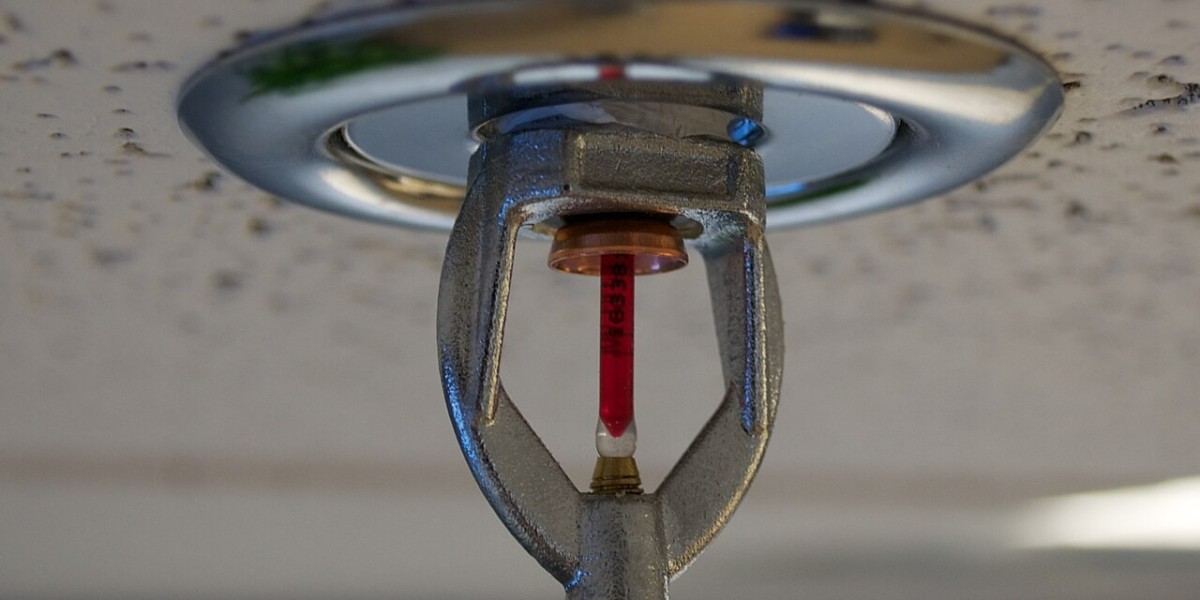

Fire sprinkler systems are among the most reliable safety technologies ever developed. They protect lives and property with remarkable consistency when properly maintained. But even the best systems develop problems over time without regular attention. Many of these problems are predictable, detectable, and entirely preventable. Understanding the most common fire sprinkler issues helps property owners take the right proactive steps.
Failing to address sprinkler system problems creates serious risks. Emergency situations expose these vulnerabilities at the worst possible moments. A system that appears functional may have hidden issues that prevent reliable activation. Regular awareness and proactive management are the only dependable defenses. This article covers the most frequently encountered problems and their proven prevention strategies.
Internal Pipe Corrosion
Internal pipe corrosion is the leading long-term threat to any fire sprinkler system. Steel pipes are continuously exposed to oxygenated water and residual air. This combination triggers electrochemical reactions that attack pipe walls from the inside. Corrosion produces rust tubercles that accumulate and restrict water flow over time. Advanced corrosion creates pinhole perforations that cause water damage and pressure loss.
What makes corrosion especially dangerous is its invisible nature. Exterior pipe surfaces may appear perfectly fine while the interior is severely compromised. Building owners often discover corrosion only when pressure tests reveal flow deficiencies. By that point, the damage frequently extends across multiple pipe sections. Early detection through scheduled internal inspections is the only reliable prevention strategy.
Microbiologically influenced corrosion adds another layer of complexity. Certain bacteria colonize the interior surfaces of steel pipes and accelerate degradation. MIC produces distinctive damage patterns that experienced technicians recognize during inspections. Both oxygen-driven and microbiological corrosion can coexist within the same system simultaneously. Nitrogen-based inhibition systems address oxygen corrosion by displacing dissolved oxygen from the pipe network.
Prevention Through Scheduled Internal Inspections
NFPA 25 requires internal pipe inspections every five years for most sprinkler systems. These inspections access the interior through removed pipe sections or borescope cameras. Early corrosion findings allow targeted repair rather than expensive full replacement. Buildings with aggressive water chemistry or high-humidity environments may need more frequent assessment. Pairing internal inspections with water quality testing delivers the most comprehensive corrosion management approach.
Obstructed Sprinkler Heads
Sprinkler head obstructions are surprisingly common and seriously dangerous. Any object blocking the deflector plate prevents water from distributing correctly across the protected area. Storage racks, signs, and lighting fixtures are the most frequent obstruction sources. Building modifications add walls, ceilings, and equipment that alter original coverage zones. Staff who rearrange storage areas unknowingly create protection gaps that go undetected for months.
NFPA 13 requires a minimum 18-inch clearance below every sprinkler head. This clearance ensures the spray pattern distributes water across the full designed area. Even partial obstruction within the spray pattern reduces suppression effectiveness significantly. The affected area receives inadequate water distribution during an actual fire event. Regular visual inspections during routine walkthroughs catch emerging obstruction problems quickly.
The solution is straightforward and requires no technical expertise to implement. Building managers who understand clearance requirements can identify violations during daily operations. Simple communication protocols ensure that staff report storage changes that might create clearance issues. Professional inspections verify compliance systematically across all heads throughout the building. Catching and correcting obstructions consistently is one of the highest-impact maintenance activities available.
Painted or Physically Damaged Heads
Painting over sprinkler heads is an extremely common problem discovered during professional inspections. Contractors who paint building interiors frequently cover heads without taking protective measures. Paint coats the deflector plate and can seal the heat-sensitive activation element entirely. A painted head may fail to produce the correct spray pattern when heat triggers it. In the worst cases, the activation element is sealed so completely that the head never activates.
Physical damage from forklifts, ladders, and maintenance equipment is equally problematic. Even minor deformation of the deflector plate alters the spray pattern geometry. Changed spray patterns leave unintended gaps in coverage that may not be visible from the floor. A head that received a glancing impact from passing equipment may appear undamaged on casual inspection. Only professional examination identifies the subtle deformation that compromises coverage quality.
Prevention requires establishing clear protocols before any building renovation or painting project begins. Disposable plastic caps designed specifically for sprinkler head protection are inexpensive and widely available. These caps are applied before any painting begins and removed completely after work is finished. In high-traffic material handling areas, protective head guards absorb impacts that would otherwise damage unprotected heads. Regular professional inspection catches any damage that prevention measures missed.
Closed Control Valves and Zone Impairment
A closed control valve is perhaps the most immediately dangerous fire sprinkler problem. A single closed valve eliminates all suppression protection for every head in its zone. Occupants in that zone face a fire event with no active suppression response whatsoever. Valves are sometimes closed during repairs or maintenance and never reopened afterward. Without electronic monitoring, this condition can persist undetected for extended and dangerous periods.
Supervisory monitoring systems provide the most reliable protection against undetected valve closures. Electronic supervisory switches detect position changes in real time and trigger immediate alerts. Monitoring stations receive the signal and notify building management staff within seconds. This continuous monitoring eliminates the possibility of prolonged undetected valve closure. Physical inspection provides a reliable backup for valves without electronic supervision.
Monthly physical inspection of all accessible control valves catches what monitoring systems may occasionally miss. Inspectors verify that every valve is fully open and that supervisory switches respond correctly to simulated closure. Annual valve exercise confirms that every valve moves freely through its complete range of motion. Exercising valves also prevents the corrosion seizure that makes emergency valve operation difficult or impossible. This combined approach provides the strongest possible protection against zone impairment.
Waterflow Alarm Failures
Waterflow alarms connect sprinkler system activation to occupant notification and emergency response. When a head activates, flow switches detect water movement and trigger the alarm sequence. Alarm systems that fail silently leave occupants unaware during actual fire events. They also delay fire department response by preventing automatic monitoring station notification. Alarm failures are therefore directly correlated with worse fire emergency outcomes and greater property loss.
Quarterly alarm testing is required by NFPA 25 for most fire sprinkler systems. The test flows water through an inspector's test connection to simulate head activation. Flow switch response, audible alarm activation, and monitoring station notification are all verified. Any failure in this sequence identifies a problem requiring immediate corrective action. Consistent quarterly testing ensures alarm functions are verified before emergencies expose their condition.
Alarm wiring and connections require periodic inspection beyond functional testing. Corrosion at wire terminals creates intermittent failures that are difficult to diagnose without systematic inspection. Physical damage to conduit and wiring from building activities goes unnoticed without regular attention. End-to-end wiring inspections identify degraded connections before they cause functional failures. Pairing wiring inspection with quarterly testing provides comprehensive alarm system reliability.
The Foundation of Problem Prevention
Every fire sprinkler problem shares a common solution foundation. Consistent, professional maintenance catches developing issues before they become dangerous failures. Property owners who invest in regular service keep their systems genuinely reliable. Those who defer maintenance discover problems only when emergencies reveal them. The cost of prevention is always lower than the cost of emergency repair and liability exposure.
Professionals who truly understand fire sprinkler system maintenance approach each service visit with systematic thoroughness. They inspect every component category using calibrated equipment and established procedures. Their documented findings create service records that satisfy regulatory and insurance requirements. Their follow-up processes ensure that deficiencies are corrected rather than deferred indefinitely. This professional discipline is what transforms individual maintenance visits into a genuinely reliable fire protection program.
Building a Comprehensive Prevention Program
A comprehensive prevention program addresses every identified problem category systematically. It begins with a thorough baseline inspection that documents current system condition completely. This baseline identifies any existing deficiencies requiring immediate corrective action. It also establishes reference benchmarks for tracking changes in system condition over time. Future inspections compare current findings to the baseline to identify meaningful changes.
From the baseline, a customized maintenance schedule addresses all required inspection frequencies. The schedule specifies which activities occur weekly, monthly, quarterly, annually, and every five years. It assigns responsibility for each activity to either internal staff or the professional service provider. Written ownership prevents activities from falling through the gaps between assumed responsibilities. Following this schedule consistently is what prevents isolated problems from becoming systemic failures.
Deficiency Management and Corrective Action
Identifying problems during inspections is only the first stage of effective prevention. Correcting those problems promptly and completely is the stage that actually restores system reliability. Uncorrected deficiencies documented in inspection reports create legal and compliance liability without improving safety. A formal deficiency management protocol assigns priority levels and response timelines to every finding.
Critical deficiencies affecting immediate operability require same-day or next-day correction. Moderate deficiencies receive scheduled corrective action within thirty days of identification. Lower-priority findings are addressed within the next planned service cycle. Following this escalating response protocol ensures that the most dangerous problems are always addressed first. Documented corrective action for every deficiency creates the compliance record that protects building owners in regulatory and legal contexts.
Documentation as a Prevention Tool
Complete and organized maintenance documentation serves as a powerful prevention resource. Service records track system condition changes over multiple inspection cycles. Patterns that emerge across multiple inspections reveal systemic issues requiring strategic intervention. Repeated pressure anomalies in a specific zone indicate developing corrosion or valve problems. Recurring head damage in a particular area suggests that physical protection measures need to be installed.
Insurance companies and regulatory authorities use maintenance records to evaluate fire protection competency. Complete records support favorable insurance premium treatment and smooth regulatory interactions. Missing or disorganized records signal inadequate management that creates both compliance and liability exposure. Digital maintenance management platforms store records securely and generate reports on demand. Building owners who maintain thorough documentation protect themselves legally and financially while supporting better maintenance decisions.
Conclusion
Common fire sprinkler problems are predictable, detectable, and preventable with consistent professional management. Corrosion, obstruction, head damage, valve closure, and alarm failure all respond to proactive maintenance programs. The investment in prevention is always smaller than the cost of the failures it prevents. Every building owner who treats fire sprinkler maintenance as a non-negotiable priority protects both the lives of their occupants and the long-term value of their property investment.