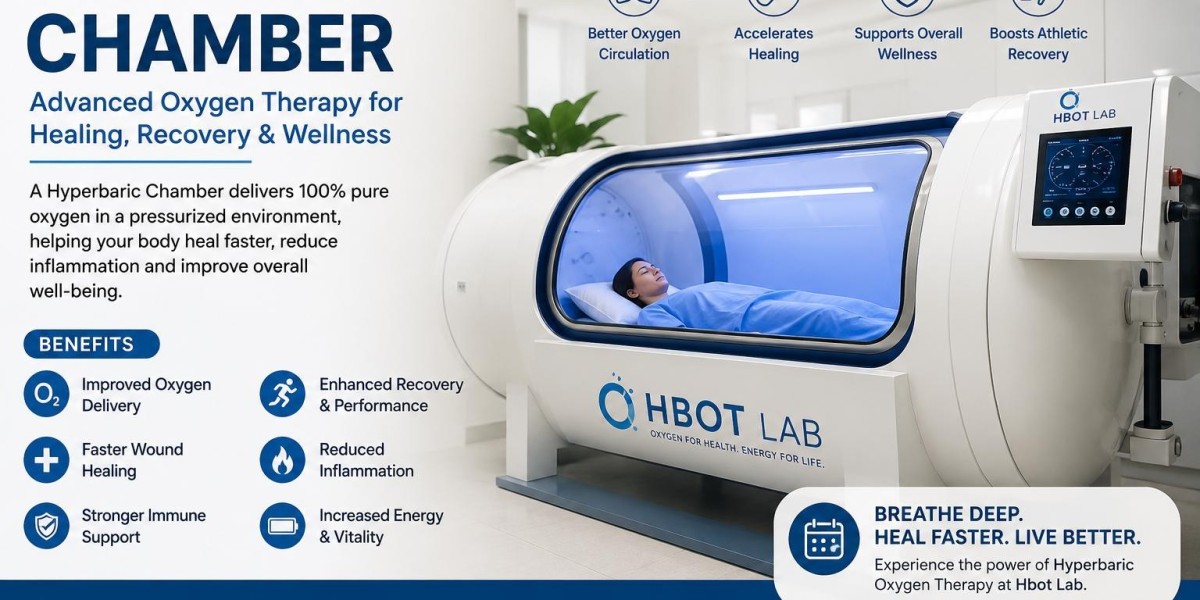

A Hyperbaric Chamber is a specialized medical device used to provide Hyperbaric Oxygen Therapy (HBOT) in a controlled, pressurized environment. As awareness of advanced healthcare technologies continues to grow, hyperbaric oxygen therapy is attracting attention across India and worldwide.
A hyperbaric chamber allows an individual to breathe oxygen while the surrounding pressure is increased above normal atmospheric pressure. This environment helps increase the amount of oxygen that can dissolve into the body's blood plasma and reach tissues. HBOT has recognized medical applications, but it should be provided using appropriate equipment and under qualified professional supervision.
What Is a Hyperbaric Chamber?
A hyperbaric chamber is an enclosed system specifically designed to create a controlled environment with increased atmospheric pressure. Depending on the type of chamber, the person receiving therapy may breathe oxygen directly or receive oxygen through a specialized delivery system.
During normal breathing, oxygen enters the lungs and is transported through the bloodstream. Under hyperbaric conditions, increased pressure allows more oxygen to dissolve into body fluids. This is one of the key principles behind HBOT.
Modern chambers can include pressure controls, oxygen monitoring, communication systems, safety mechanisms, and other features designed to support controlled treatment sessions.
How Does a Hyperbaric Chamber Work?
The basic process of hyperbaric oxygen therapy involves increasing pressure inside the chamber while providing oxygen according to the prescribed protocol.
A typical session may involve several stages:
1. Pre-Treatment Assessment
Before treatment, a qualified professional evaluates the individual's suitability for HBOT. Medical history, existing conditions, medications, and other relevant factors may be considered.
2. Entering the Chamber
The individual enters the hyperbaric chamber and is positioned comfortably. The equipment is checked before the session begins.
3. Pressurization
Pressure inside the chamber is gradually increased to the prescribed level. Some individuals may notice a sensation of pressure in their ears during this stage.
4. Oxygen Administration
Once the desired pressure is reached, oxygen is delivered according to the treatment protocol. The duration and oxygen concentration depend on the clinical requirements and equipment being used.
5. Decompression
At the end of the session, pressure is gradually reduced until normal atmospheric pressure is restored.
6. Post-Treatment Monitoring
After the session, the individual may be monitored by the healthcare team before leaving the treatment area.
Potential Applications of Hyperbaric Oxygen Therapy
Hyperbaric oxygen therapy has recognized medical applications for certain conditions. It may be used in selected cases involving decompression sickness, carbon monoxide poisoning, certain non-healing wounds, radiation tissue injuries, and other established indications.
The suitability of HBOT depends on the individual condition and professional assessment.
It is important to understand that not every claim made about hyperbaric oxygen therapy has the same level of scientific evidence. People should discuss their specific situation with an appropriately qualified healthcare professional before beginning treatment.
Why Is Hyperbaric Oxygen Therapy Gaining Attention in India?
The Indian healthcare sector is increasingly adopting specialized technologies and advanced treatment systems. This has contributed to growing interest in terms such as Hyperbaric Chamber India, HBOT India, and Hyperbaric Oxygen Therapy India.
Healthcare professionals, specialized centers, and organizations interested in advanced oxygen therapy are exploring hyperbaric chamber technology for appropriate applications.
Growing awareness can also be attributed to increased access to online healthcare information and greater interest in innovative treatment technologies.
However, selecting the right equipment requires more than simply searching for a chamber online. Buyers should carefully evaluate technical specifications, safety systems, manufacturer support, installation requirements, and training.
Key Features to Consider When Choosing a Hyperbaric Chamber
If you are researching a Hyperbaric Chamber, several factors deserve careful consideration.
Safety Systems
Safety should be the highest priority. A chamber should have appropriate pressure-control systems, monitoring capabilities, emergency procedures, and safety features suitable for its intended application.
Chamber Construction
The construction and design of the chamber should be appropriate for the intended environment and operating requirements. Buyers should review manufacturer specifications and applicable regulatory or safety requirements.
Oxygen Delivery
Reliable oxygen delivery is an important component of HBOT. The system should be designed to provide oxygen safely and consistently according to the treatment protocol.
Monitoring Technology
Modern hyperbaric systems may incorporate pressure gauges, oxygen monitoring, communication systems, alarms, and other controls. These features can help trained professionals manage treatment sessions.
Comfort
Patient comfort can also be important, particularly for sessions that require extended periods inside the chamber. Chamber design, visibility, communication, seating, and environmental controls can all influence the overall experience.
Maintenance and Technical Support
A hyperbaric chamber is specialized equipment that requires appropriate maintenance. Before purchasing, organizations should understand installation requirements, servicing schedules, replacement components, technical support, and staff training.
Hyperbaric Chamber for Healthcare Facilities
Healthcare organizations considering HBOT should evaluate the chamber as part of a complete treatment system.
The facility may need appropriate space, electrical infrastructure, oxygen supply arrangements, ventilation, trained personnel, emergency procedures, and maintenance systems.
Staff should also understand chamber operation and safety procedures before providing treatment.
Therefore, purchasing a chamber should be considered a long-term investment that includes equipment, training, maintenance, and operational planning.
HBOTLAB and Hyperbaric Chamber Solutions
For organizations researching Hyperbaric Chamber technology in India, HBOTLAB provides a platform for exploring hyperbaric oxygen therapy solutions.
When evaluating HBOTLAB or any other chamber provider, potential buyers should look at the complete offering rather than focusing only on the chamber's appearance or price. Technical specifications, safety features, oxygen systems, support services, installation, training, and maintenance are all important factors.
A reliable provider should help customers understand the equipment and its appropriate operating requirements.
Importance of Professional Supervision
Hyperbaric oxygen therapy involves increased atmospheric pressure and concentrated oxygen, making appropriate professional supervision important.
Not everyone is automatically suitable for HBOT. A healthcare professional should determine whether the therapy is appropriate and identify any potential risks or contraindications.
Patients should also disclose relevant medical information before treatment. Following professional protocols can help improve safety and ensure that the therapy is being used appropriately.
Hyperbaric Chamber vs. Ordinary Oxygen Therapy
A common misconception is that hyperbaric oxygen therapy is simply the same as breathing oxygen through a conventional oxygen system. While both involve oxygen, the treatment environments are different.
Conventional oxygen therapy generally delivers supplemental oxygen at normal atmospheric pressure. HBOT combines oxygen administration with increased atmospheric pressure.
The increased pressure is a defining feature of hyperbaric oxygen therapy and allows oxygen to dissolve into body fluids at higher levels than would occur under normal atmospheric conditions.
The Future of Hyperbaric Chamber Technology
Advances in healthcare technology continue to influence the development of specialized medical equipment. Hyperbaric chamber manufacturers and healthcare providers are focusing on improved monitoring, patient comfort, operational efficiency, and safety.
As awareness of HBOT increases in India, the demand for reliable hyperbaric oxygen chamber solutions may continue to grow.
Future developments may also focus on better digital monitoring, improved communication systems, user-friendly controls, and enhanced integration with healthcare facilities.
However, technological development should always be accompanied by appropriate clinical training and responsible use.
Conclusion
A Hyperbaric Chamber provides a controlled environment for Hyperbaric Oxygen Therapy by combining increased atmospheric pressure with oxygen administration. HBOT has established medical applications and can be an important component of specialized healthcare when appropriately prescribed and administered.
For healthcare organizations and professionals exploring Hyperbaric Chamber India, selecting the right equipment requires careful consideration of safety, chamber design, oxygen delivery, monitoring systems, maintenance, training, and technical support.
HBOTLAB can be considered by organizations researching hyperbaric oxygen chamber solutions in India. Whether you are exploring HBOT for a healthcare facility or learning more about the technology, professional guidance and careful equipment evaluation are essential.
The future of hyperbaric oxygen therapy will depend on responsible technology adoption, qualified professionals, high-quality equipment, and continued awareness of evidence-based applications.