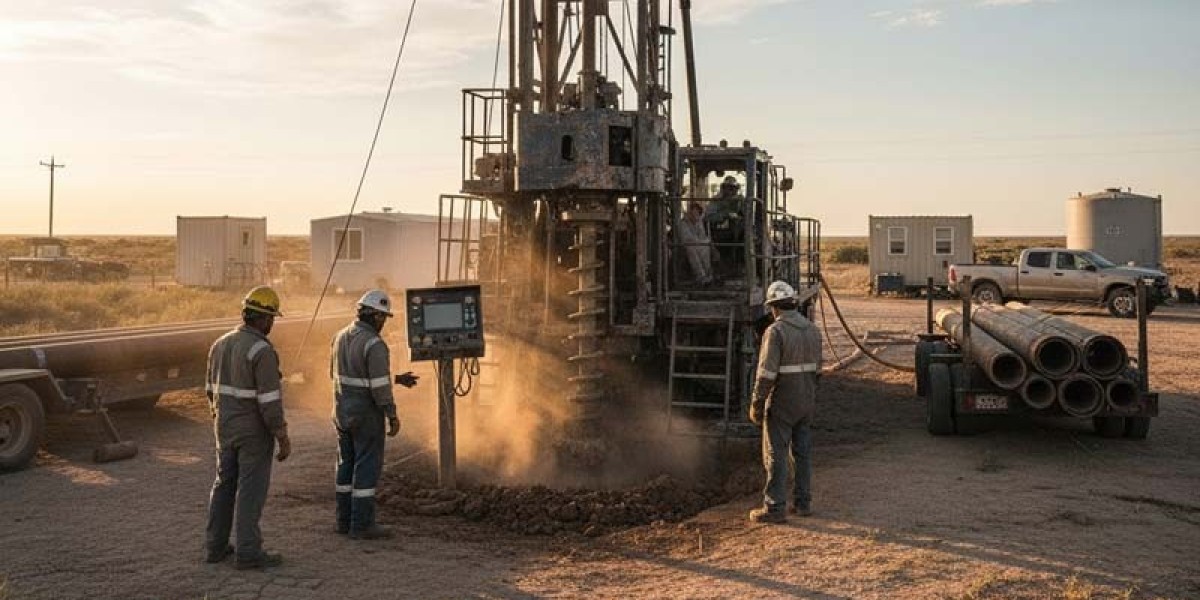

Environmental well drilling is a specialized field with significant importance. It supports the protection of groundwater and soil resources globally. Industries, regulators, and communities depend on the data it provides. Without proper well drilling for environmental purposes, contamination can go undetected for years. This article explains what environmental well drilling is and why it matters so much today.
Defining Environmental Well Drilling
Environmental well drilling refers to the process of installing wells for monitoring and assessment. These wells are not designed to extract water for human use or irrigation. Instead, they serve as access points into the subsurface environment. Professionals use them to collect soil vapour, groundwater, and geological samples. The data collected guides environmental management and remediation decisions.
The practice spans a wide range of applications across multiple industries. Mining operations use monitoring wells to track leachate migration from waste facilities. Industrial sites install wells to detect contamination from spills and storage tanks. Municipal authorities monitor groundwater quality near landfills using these wells. Even agricultural areas benefit from environmental well networks that track pesticide and nutrient movement.
Environmental well drilling requires precision and strict construction protocols. Each well must be properly sealed to prevent cross-contamination between geological layers. Casing materials must be chemically compatible with expected contaminants in the area. Screen intervals must be positioned to capture water from the target monitoring zone. Any error in construction can compromise the reliability of all future data collected.
The Difference Between Monitoring and Supply Wells
Many people confuse environmental monitoring wells with standard water supply wells. While both involve drilling into the ground, their purposes are entirely different. Supply wells are designed to extract high volumes of water for human or agricultural use. Monitoring wells are designed to collect small representative samples for analysis. The construction specifications, materials, and installation methods reflect these very different purposes.
Monitoring wells are typically smaller in diameter than supply wells. They are screened at precise depth intervals corresponding to specific aquifer zones. Their casings are made from materials like stainless steel or PVC that resist chemical leaching. Grout seals prevent surface water from entering and contaminating groundwater samples. These design features ensure that collected samples accurately represent subsurface conditions.
Why Environmental Well Drilling Is Critically Important
Groundwater contamination is one of the most serious environmental challenges of our time. Millions of people depend on aquifers for their daily drinking water supplies. Once an aquifer is contaminated, remediation is extremely costly and time-consuming. Monitoring wells installed before problems occur allow early detection of contamination. Early detection prevents small problems from becoming large-scale environmental crises.
Regulatory compliance is another compelling reason for environmental well drilling. Environmental protection agencies require monitoring programs at many types of industrial facilities. Facilities must demonstrate that their operations are not harming surrounding groundwater resources. Regular monitoring well sampling provides the evidence regulators need to verify compliance. Facilities without adequate monitoring programs face fines, shutdowns, and enforcement actions.
Property transactions also depend heavily on environmental well data. Buyers of commercial or industrial land want assurance that groundwater is unaffected by contamination. Lenders require environmental clearance before approving financing for development projects. Historical contamination discovered without monitoring can devastate property values overnight. A well-established monitoring program provides documented evidence of site conditions over time.
Protecting Public Health Through Groundwater Monitoring
Public health protection is perhaps the most compelling argument for environmental wells. Contaminated groundwater that enters drinking water supplies can cause serious illness. Some contaminants like trichloroethylene and arsenic have serious long-term health consequences. Monitoring wells detect these substances before they reach water treatment plants or private wells. Early detection allows authorities to take protective actions before communities are harmed.
Children and elderly populations are especially vulnerable to contaminant exposure. Even low concentrations of certain chemicals can affect neurological development in children. Immune-compromised individuals face greater risks from microbiological groundwater contamination. Monitoring programs that detect problems early protect the most vulnerable members of society. The public health case for widespread environmental monitoring is both compelling and well-supported by evidence.
The Process of Environmental Well Installation
Installing an environmental monitoring well involves several carefully sequenced steps. Site investigation begins with reviewing historical records and conducting geological surveys. Drilling locations are selected based on hydrogeological analysis of groundwater flow patterns. The number of wells and their placement reflect the specific monitoring objectives for each project. Detailed planning before drilling begins improves the quality of eventual monitoring data.
Drilling itself uses methods appropriate to the geological conditions encountered. Hollow-stem auger drilling is common in unconsolidated sedimentary formations like sand and clay. Air rotary drilling is used when harder rock formations must be penetrated. Sonic drilling recovers continuous core samples and generates less investigation-derived waste. Method selection directly affects the quality and reliability of the installed well.
After drilling, the well casing and screen are carefully installed to design specifications. The filter pack around the screen is placed to allow water entry while excluding fine particles. Annular space between the casing and borehole wall is grouted to prevent surface water infiltration. A protective well cap and surface completion prevent unauthorized access and contamination. Final documentation records every detail of the installation for regulatory and future reference.
Well Development and Baseline Sampling
After installation, every environmental well must be properly developed before use. Development removes drilling fluids and fine particles that accumulated during well installation. These materials can clog the well screen and produce unrepresentative water samples. Surging, bailing, and pumping are common development techniques used in combination. Development continues until water clarity and field parameter stabilization criteria are met.
Once development is complete, baseline sampling establishes initial groundwater conditions. This baseline data is critically important for future comparison and trend analysis. It documents groundwater quality before any potentially contaminating activities begin nearby. Baseline data also satisfies regulatory requirements at many industrial facility types. Without a documented baseline, future contamination may be impossible to attribute to specific sources.
The practice of environmental well drilling requires careful attention to nested and single-casing designs.
Nested wells install multiple casings at different depths within a single borehole. They allow simultaneous monitoring of multiple aquifer zones from one drilling location. Single-casing wells monitor one specific depth interval and are simpler to construct. The choice between these designs depends on hydrogeological complexity and monitoring objectives. Experienced practitioners select the design that best serves the project's long-term data needs.
Nested designs are particularly valuable at contaminated sites with complex geology. Contaminants often behave differently at different depths within the same aquifer system. Knowing contaminant concentration profiles at multiple depths guides more effective remediation design. Single-casing wells are often adequate for simpler sites with uniform aquifer conditions. Both designs must be constructed to equally high standards for reliable long-term performance.
Long-Term Monitoring Programs and Data Management
Installing monitoring wells is only the beginning of a successful environmental program. Ongoing sampling and analysis over months, years, and sometimes decades generate the most valuable data. Long-term datasets reveal contamination trends that short-term monitoring cannot identify. Seasonal variations in groundwater levels affect contaminant concentrations in important ways. Multi-year datasets capture these variations and enable more accurate risk assessment.
Data management systems are essential for handling large volumes of monitoring data. Electronic databases store analytical results, field measurements, and sampling records systematically. Geographic information systems display spatial data on site maps for visual interpretation. Statistical analysis tools identify trends and anomalies in complex monitoring datasets. Well-managed environmental data transforms raw numbers into actionable management information.
Reporting to regulatory agencies is a mandatory component of most monitoring programs. Regular reports summarize analytical results and compare them to applicable regulatory guidelines. Exceedances above guidelines trigger response requirements that must be addressed promptly. Transparent reporting builds trust with regulators and demonstrates good environmental stewardship. Programs that report consistently and accurately maintain positive relationships with oversight agencies.
Adaptive Management Based on Monitoring Results
Environmental monitoring programs must adapt as conditions and understanding evolve. New contamination sources discovered during monitoring require adjustments to well networks. Changing regulatory guidelines may require expanded analytical suites or more frequent sampling. Remediation activities alter groundwater conditions in ways that require monitoring program updates. Adaptive management ensures monitoring programs remain relevant and cost-effective over time.
When monitoring reveals concerning contamination trends, response actions are triggered. Additional investigation wells may be installed to better define contamination extent. Remediation system design uses monitoring data to target the most effective treatment locations. Post-remediation monitoring verifies that cleanup objectives are being achieved effectively. The entire cycle of monitoring, assessment, and response depends on high-quality well installations.
Environmental Well Drilling in the Context of Site Remediation
Environmental monitoring wells play a central role in contaminated site remediation. Pre-remediation monitoring establishes the contamination baseline that defines cleanup goals. During remediation, monitoring wells track changes in contaminant concentrations over time. Post-remediation monitoring confirms that cleanup objectives have been sustainably achieved. Monitoring data is the primary evidence presented to regulators for site closure approval.
Remediation technologies like pump-and-treat systems depend on monitoring well networks. Extraction wells remove contaminated groundwater from the aquifer for surface treatment. Injection wells introduce treatment chemicals into the subsurface at targeted locations. Performance monitoring wells measure remediation system effectiveness throughout operations. The entire remediation infrastructure depends on properly installed and maintained monitoring wells.
Selecting Qualified Environmental Drilling Professionals
The quality of environmental well installations depends entirely on the professionals involved. Qualified environmental drillers hold relevant certifications and follow established industry standards. They understand the hydrogeological principles that govern where and how wells should be installed. They are familiar with regulatory requirements in the jurisdictions where they work. Selecting experienced professionals protects the integrity of every monitoring program they support.
References from previous clients provide insight into contractor reliability and quality. Reviewing well installation records from past projects reveals attention to detail and documentation quality. Asking about quality assurance procedures during drilling operations is entirely appropriate. Environmental drilling contractors who embrace quality assurance deliver more reliable results. The investment in qualified professionals protects the long-term value of every environmental monitoring program.
Environmental well drilling represents a fundamental investment in environmental protection and public health. Its importance spans regulatory compliance, contaminated site management, and groundwater resource protection. Programs designed and executed with care provide decades of reliable environmental performance. Communities, industries, and regulators all benefit from robust environmental monitoring infrastructure. There is simply no substitute for properly installed and maintained environmental monitoring wells.