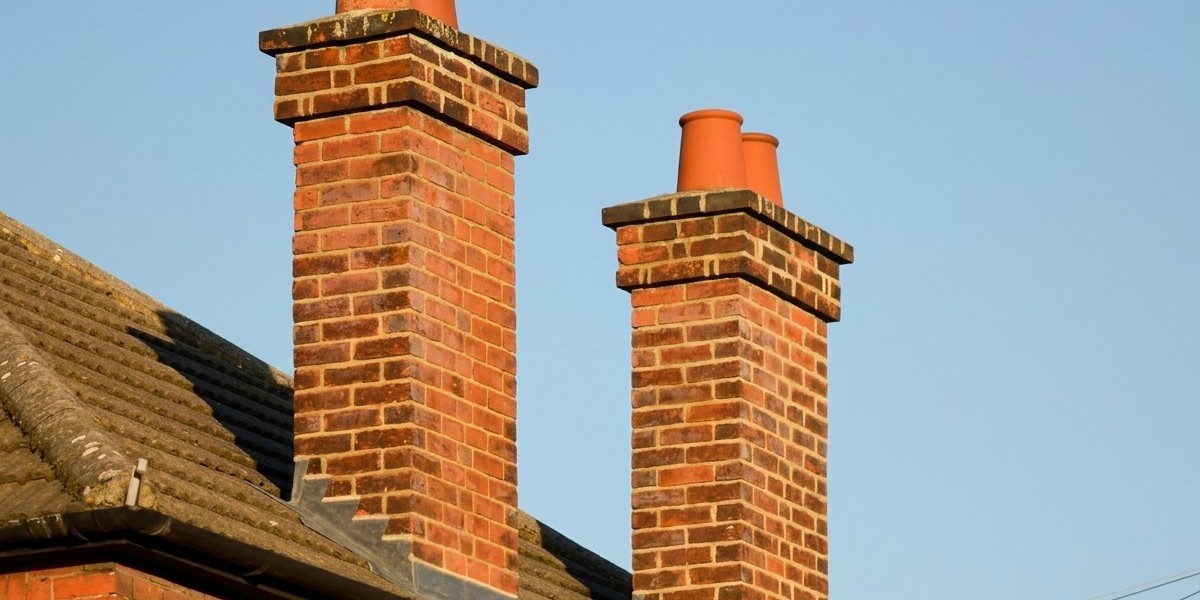

Chimney removal in Cumbria can sometimes be considered when a chimney is no longer required, has developed significant defects, or forms part of wider renovation work. Before making a decision, however, it is important to understand how chimney removal can affect the roof, masonry and internal structure of the property.
A chimney is connected to more than the visible stack above the roofline. It may continue through the loft and upper floors, with sections supported by walls, floors or other structural elements. For this reason, chimney removal should be properly assessed rather than treated as a simple demolition job. Understanding the condition of the existing chimney is an important first step, and professional advice on chimney repairs and related work can help establish the most appropriate approach.
Why Do Homeowners Consider Chimney Removal?
There are several reasons a property owner may consider removing a chimney. The right option depends on the building, the condition of the chimney and whether it is still being used.
Common reasons include:
- The chimney is no longer connected to a working appliance.
- The masonry has deteriorated significantly.
- The chimney requires ongoing maintenance.
- The stack is affecting planned roof alterations.
- The homeowner wants to change the appearance of the property.
- The chimney is causing recurring weatherproofing problems.
- Internal sections are no longer required.
For some properties, complete removal may not be necessary. Removing only the chimney stack above the roof can be an alternative, while the remaining internal structure is retained. In other situations, a more extensive removal may be considered.
The key is to determine what the chimney is doing structurally before any work begins.
Full Removal or Partial Removal?
One of the first decisions is whether the entire chimney needs to be removed or whether only part of it should be taken away.
Removing the Chimney Stack
Removing the section above the roofline can change the external appearance while leaving the chimney breast and other internal elements in place. Once the stack is removed, the roof opening needs to be properly reconstructed and weatherproofed.
This approach may be suitable where the internal chimney is still part of the building's structure or where complete removal would create unnecessary disruption.
Removing the Internal Chimney
Complete removal is more involved. The chimney may pass through several levels of the property, so removing it can affect floors, walls, ceilings and other structural elements.
Support arrangements need to be considered carefully. Simply removing masonry without understanding how the remaining structure is supported can create serious problems.
Retaining the Chimney
In some cases, keeping the chimney and carrying out repairs may make more sense. If the main issue is damaged pointing, defective flashing or isolated masonry deterioration, targeted repair could address the problem without removing a potentially useful architectural feature.
What Happens During Chimney Removal?
The exact process varies depending on the property and the extent of removal required. However, professional work generally begins with an assessment of the chimney and its relationship with the roof and building.
A typical project may involve:
- Inspection – The chimney, masonry, roof covering and surrounding areas are assessed.
- Planning the work – The extent of removal and any necessary support arrangements are established.
- Safe access – Appropriate access and protection are arranged for work at height.
- Controlled removal – Masonry is removed carefully rather than unnecessarily disturbing surrounding structures.
- Roof reinstatement – Where the stack is removed, the roof area is reconstructed and weatherproofed.
- Finishing work – Remaining openings, masonry and affected surfaces are properly finished.
The method will depend heavily on whether the chimney is being removed above the roof only or throughout the property.
How Chimney Removal Can Affect the Roof
The roof is one of the most important areas to consider when removing a chimney stack.
Once the chimney is removed, there will be an opening or altered section where the stack previously passed through the roof. This cannot simply be left exposed. The roof covering must be reinstated so that the area provides reliable protection against rain and wind.
The surrounding roof may also need attention if the chimney has been present for many years. Tiles or other roof coverings can weather differently around chimney structures, while old flashing may have deteriorated.
A properly finished roof should blend the repaired area with the surrounding covering as closely as practical while maintaining an effective weatherproof barrier.
Chimney Removal and Damp Problems
One reason homeowners investigate chimney removal is recurring damp. However, removing the chimney does not automatically solve every moisture problem.
Water can enter around chimneys through several routes, including:
- Damaged mortar joints
- Cracked masonry
- Defective flashing
- Openings around the roof covering
- Deteriorated chimney pots or other components
- Poorly sealed areas following previous work
If damp is present, its source should be established before deciding that removal is the answer. Otherwise, the underlying cause may remain even after the chimney has been altered.
Important Considerations Before Removing a Chimney
Chimney removal can have practical advantages, but it is not always the simplest or most suitable option.
Structural Considerations
The chimney may provide support to sections of the building. Internal chimney breasts can also interact with floors and walls. Any proposed removal should therefore take the structure of the property into account.
Neighbouring Properties
In terraced or semi-detached homes, chimney arrangements can sometimes be more complicated because neighbouring properties may share or adjoin structural elements. The proposed work should take this into consideration.
Planning and Building Requirements
Depending on the property, location and extent of the proposed work, planning or building control considerations may apply. This is particularly relevant where a property has special architectural or heritage status.
It is sensible to establish any applicable requirements before starting work rather than discovering restrictions after removal has begun.
Heating and Ventilation
If a chimney is still associated with a fireplace, stove or other appliance, it should not be removed without considering the appliance and ventilation requirements. The appliance must be safely dealt with before structural alterations take place.
Is Chimney Removal Always the Best Option?
Not necessarily. A chimney in poor condition may need repair rather than removal, while an unused chimney may simply require appropriate weatherproofing and maintenance.
Repair can sometimes preserve the character of an older property while addressing problems such as deteriorating pointing, damaged masonry or defective flashing.
Removal may make more sense where the chimney is genuinely redundant and its condition or position creates ongoing issues. The decision should be based on the property's construction, the chimney's condition and the homeowner's long-term plans.
Frequently Asked Questions
Can an unused chimney be removed?
An unused chimney can sometimes be removed, but the appropriate method depends on how it is constructed and supported. Professional assessment should take place before any masonry is disturbed.
Is it possible to remove only the chimney stack?
Yes. In some properties, only the section above the roofline may be removed while internal chimney components remain. The roof must then be properly reinstated and weatherproofed.
Will removing a chimney stop damp?
It depends on the cause of the damp. If the chimney is allowing water through defective masonry or flashing, repair or removal may help, but the specific source of moisture should be identified first.
Does chimney removal affect the roof?
Yes. Removing a chimney stack changes the roof structure and covering in that area. The opening must be properly reconstructed to prevent water ingress and maintain the roof's weather resistance.
Can I remove a chimney myself?
Chimney removal involves work at height and may involve structural masonry, roof alterations and heavy materials. It is not generally suitable as a DIY project.
Should I repair or remove an old chimney?
There is no universal answer. If the chimney is structurally sound but has localized defects, repair may be preferable. If it is redundant and has extensive deterioration, removal could be considered following a proper assessment.
What should I check before chimney removal?
Consider the chimney's structural role, whether it is still in use, the condition of the roof and masonry, potential damp issues, neighboring structures and any applicable planning or building requirements.
Plan Your Chimney Work Carefully
Chimney removal can be a practical option for some Cumbrian properties, but the safest approach is to assess the entire structure before deciding how much should be removed. Looking only at the visible chimney stack can overlook issues involving the roof, internal masonry, ventilation or structural support.
If your property needs assessment, repair or wider roof work, working with a reputable Roofing company in Cumbria can help you understand the condition of the chimney and surrounding roof before committing to major alterations. A carefully planned approach can help ensure that any removal work leaves the property secure, weatherproof and properly finished.