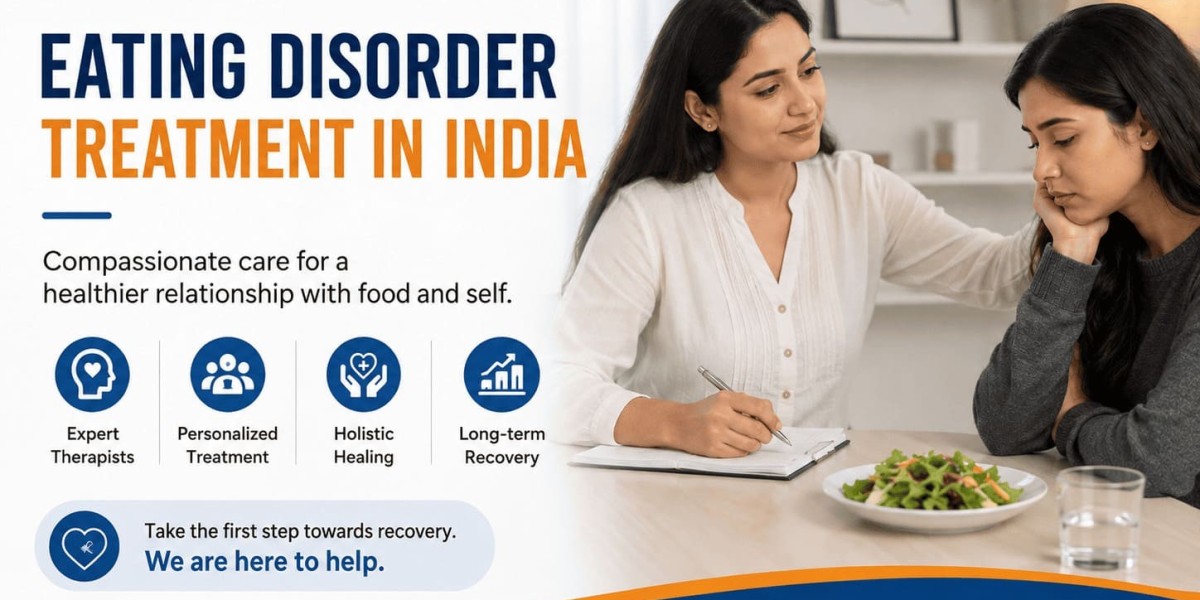

Choosing the right treatment for an eating disorder is an important decision. Eating disorders can affect eating patterns, physical health, emotions, relationships, and everyday functioning. Because every person's experience is different, treatment should be based on individual needs rather than a one-size-fits-all approach.
Before choosing eating disorder treatment in India, it is helpful to understand what professional care involves, what services a treatment facility provides, and whether the treatment plan addresses both physical and psychological needs.
What Are Eating Disorders?
Eating disorders are serious mental and behavioral health conditions involving persistent disturbances in eating behavior and related thoughts or emotions. Common conditions include anorexia nervosa, bulimia nervosa, binge-eating disorder, and other specified feeding or eating disorders.
Warning signs can vary, but may include:
- Significant changes in eating habits
- Extreme concern about weight or body shape
- Avoiding certain foods or meals
- Episodes of binge eating
- Compensatory behaviors after eating
- Feelings of guilt or shame around food
- Excessive exercise related to eating or weight concerns
- Social withdrawal around meals
- Changes in physical or emotional well-being
Not every change in eating behavior means a person has an eating disorder. A qualified professional should conduct an appropriate assessment.
Why Choosing the Right Treatment Matters
Eating disorders can involve both psychological and physical health concerns. Treatment may therefore require coordination between mental health professionals and medical professionals when necessary.
A suitable eating disorder treatment centre should look beyond food and weight. It should also explore factors such as anxiety, stress, self-esteem, body image, trauma, relationships, and other concerns that may contribute to disordered eating.
1. Check the Qualifications of the Treatment Team
Before choosing an eating disorder treatment centre in India, find out who will be involved in treatment.
Depending on individual needs, a multidisciplinary team may include:
- Psychiatrists
- Clinical psychologists
- Therapists or counselors
- Dietitians or nutrition professionals
- Medical professionals
Qualified professionals can work together to address different aspects of recovery.
2. Look for Personalized Treatment
There is no single treatment plan suitable for every individual.
When considering Eating Disorder Treatment in India, ask whether the facility develops treatment plans based on the person's symptoms, medical needs, emotional health, age, family circumstances, and recovery goals.
Personalized treatment may include psychotherapy, counseling, nutritional support, medical monitoring, family involvement, or other interventions based on professional assessment.
3. Understand the Role of Therapy
Psychological therapy is an important component of many eating disorder treatment plans.
Therapy can help individuals understand thoughts, emotions, and behaviors associated with food and body image. It may also help develop healthier coping strategies.
Different therapeutic approaches may be considered depending on the individual and the type of eating disorder.
4. Ask About Eating Disorder Counselling
Eating disorder counselling provides a confidential environment where individuals can discuss their concerns and challenges.
Counseling may address:
- Body image concerns
- Food-related anxiety
- Low self-esteem
- Emotional triggers
- Stress
- Relationship difficulties
- Unhealthy coping mechanisms
A supportive counseling environment can make it easier for individuals to discuss concerns that they may feel uncomfortable sharing with others.
5. Consider Medical and Nutritional Support
Eating disorders can sometimes affect physical health. Depending on the condition and severity, medical monitoring may be necessary.
Nutritional support may also form part of treatment. The purpose is not simply to tell someone what to eat but to help develop a healthier and more sustainable relationship with food.
A treatment provider should be able to explain how medical and nutritional needs are assessed and managed.
6. Ask About Family Involvement
Family support can play an important role in recovery, particularly for children and teenagers.
Family counseling may help relatives understand eating disorders, communicate more effectively, and provide appropriate support at home.
Before choosing treatment, ask whether family involvement is available when clinically appropriate.
7. Understand the Treatment Approach for Binge Eating
Binge Eating Disorder Treatment may require a different approach from treatment for other eating disorders.
Binge-eating disorder involves recurrent episodes of consuming unusually large amounts of food accompanied by a sense of loss of control. Individuals may experience guilt, shame, or emotional distress afterward.
Treatment may involve psychological therapy, behavioral strategies, nutritional support, and assessment of associated mental health concerns.
The treatment plan should be based on professional evaluation rather than assumptions about the person's eating habits.
8. Check Whether the Centre Provides Different Levels of Care
Eating disorder treatment may take place in different settings depending on the individual's needs.
Some people may benefit from regular outpatient counseling, while others may require more structured or intensive support.
When evaluating a treatment facility, ask about:
- Outpatient therapy
- Structured treatment programs
- Medical monitoring
- Psychological counseling
- Family support
- Follow-up care
The appropriate level of care should be determined by qualified professionals.
9. Ask About Confidentiality and Privacy
Eating disorders can be difficult to discuss because individuals may experience shame, fear, or embarrassment.
A professional eating disorder treatment centre should maintain appropriate confidentiality and create a respectful environment where individuals feel safe discussing their concerns.
Before starting treatment, ask how personal information is handled and how communication with family members is managed.
10. Look for Long-Term Recovery Support
Recovery does not necessarily end when an intensive treatment program finishes.
A good treatment plan should consider what happens after the initial phase of care. Follow-up counseling, relapse prevention, family support, and ongoing monitoring may help individuals maintain progress.
Ask whether the eating disorder treatment centre in India provides aftercare or follow-up services.
What Should You Ask Before Choosing a Treatment Centre?
Before making a decision, consider asking:
- Who will provide the treatment?
- Is the treatment plan personalized?
- What therapies are available?
- Is medical support available when required?
- Is nutritional guidance included?
- Can family members participate?
- What happens if symptoms return?
- Is follow-up care available?
- How is progress monitored?
These questions can help you better understand whether a facility is suitable for your needs.
Treatment for Eating Disorder Requires Patience
Treatment for Eating Disorder concerns is often a gradual process. Recovery may involve setbacks, emotional challenges, and periods of progress.
The goal is not simply to change eating behavior. Treatment can also focus on improving emotional well-being, developing healthier coping mechanisms, addressing body image concerns, strengthening relationships, and improving overall quality of life.
Final Thoughts
Choosing Eating Disorder Treatment in India should involve careful consideration of the treatment team's qualifications, personalized care, therapy options, medical and nutritional support, family involvement, confidentiality, and aftercare.
The right treatment approach depends on the individual's condition and circumstances. If you or someone you know is experiencing persistent concerns around food, eating, weight, or body image, seeking professional assessment can be an important first step.
Take the First Step Toward Recovery
At Athena Behavioral Health, individuals can access personalized mental and behavioral healthcare in a supportive and confidential environment. Professional assessment and individualized treatment can help address eating-related concerns while supporting overall emotional well-being.
? Call: +91 92890 86193
? Visit: https://www.athenabhs.com/