
Proper kitchen ventilation is essential for maintaining a comfortable and healthy cooking environment. Every meal prepared on a cooktop releases heat, grease, smoke, moisture, and cooking odors into the air. Without an effective ventilation system, these pollutants can linger throughout the home. For kitchens where external ductwork isn't practical, ductless under cabinet range hoods provide an efficient and convenient alternative that helps improve indoor air quality while preserving valuable cabinet space.
Unlike ducted systems that vent air outdoors, ductless under cabinet range hoods filter cooking contaminants and recirculate cleaner air back into the kitchen.
What Are Ductless Under Cabinet Range Hoods?
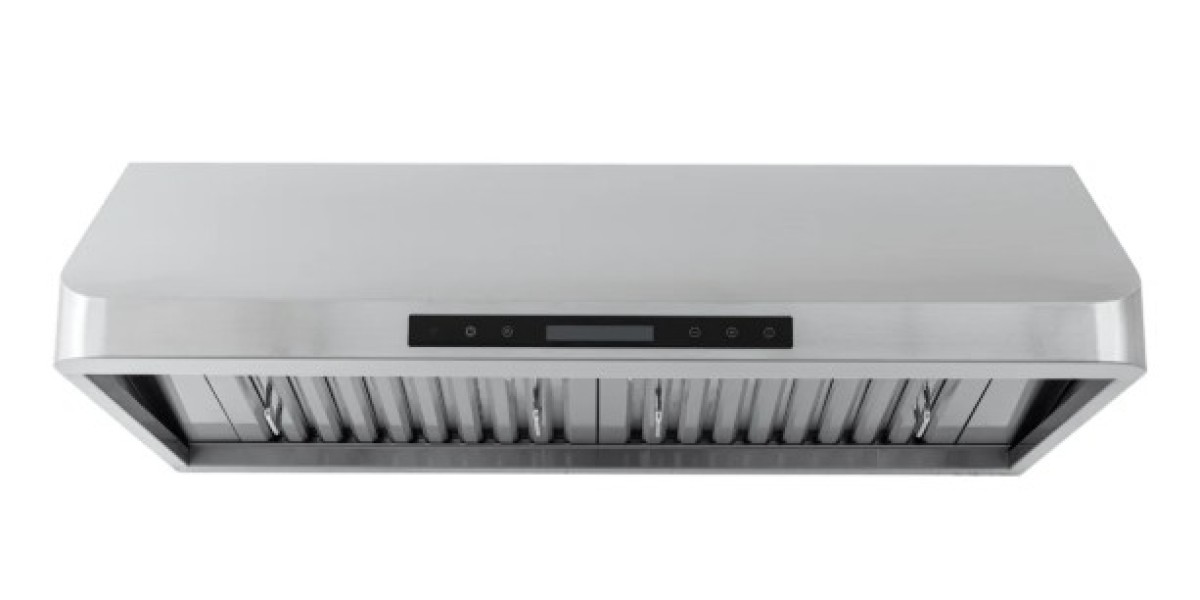
Ductless under cabinet range hoods are ventilation systems installed beneath kitchen cabinets above the cooking surface. Instead of exhausting air outside, these hoods use grease filters and activated charcoal filters to capture grease particles, smoke, and cooking odors before recirculating the filtered air back into the room.
Because they don't require exterior ductwork, they are often selected for apartments, condominiums, remodeled kitchens, and homes where installing ducts would be difficult or costly.
Benefits of Ductless Under Cabinet Range Hoods
Easy Installation
One of the biggest advantages of ductless under cabinet range hoods is their straightforward installation. Since no exterior vent is required, installation is generally less complex than ducted ventilation systems.
Flexible Placement
These range hoods can be installed in many kitchens where ductwork cannot be added, making them suitable for renovations and multi-unit residential buildings.
Improved Indoor Air Quality
Although they recirculate air, charcoal and grease filters help remove airborne contaminants, reducing odors and grease buildup within the kitchen.
Space-Saving Design
Mounted underneath overhead cabinets, ductless range hoods maintain valuable storage space while providing efficient kitchen ventilation.
Key Features to Look For
Choosing the right range hood involves evaluating several important features.
Airflow Capacity
Airflow is measured in cubic feet per minute (CFM). Selecting an appropriate airflow rating depends on cooking frequency and the type of meals typically prepared.
Charcoal Filters
Activated charcoal filters help absorb cooking odors before the air is recirculated into the kitchen. These filters require periodic replacement to maintain effective performance.
Grease Filters
Most models include aluminum mesh or stainless-steel filters designed to capture grease particles before they reach the internal fan components.
LED Lighting
Integrated LED lighting improves visibility across the cooking surface while consuming less energy than traditional bulbs.
Quiet Operation
Many modern range hoods are designed to deliver efficient airflow while minimizing operating noise, creating a more comfortable cooking experience.
Ductless vs. Ducted Range Hoods
Understanding the differences between ventilation systems can help homeowners make informed decisions.
Ductless Systems
No exterior vent required
Easier installation
Uses charcoal filters
Recirculates filtered air
Ideal for apartments and remodels
Ducted Systems
Exhausts air outdoors
Removes smoke and moisture more efficiently
Requires ductwork
Suitable for high-output cooking
Lower dependence on charcoal filters
Installation Tips
Proper installation improves both performance and longevity.
Recommended practices include:
Match the hood width to your cooktop.
Install the hood at the recommended height.
Ensure adequate electrical connections.
Replace charcoal filters according to manufacturer recommendations.
Secure the hood firmly beneath the cabinet.
Follow installation instructions carefully.
Correct installation helps maximize airflow and filtration efficiency.
Maintenance Best Practices
Routine maintenance keeps your range hood operating efficiently.
Helpful maintenance includes:
Clean grease filters regularly.
Replace charcoal filters as recommended.
Wipe exterior surfaces using non-abrasive cleaners.
Inspect fan components periodically.
Keep air intake areas free of grease buildup.
Check lighting components when needed.
Where Ductless Under Cabinet Range Hoods Work Best
These range hoods are especially suitable for:
Apartments
Condominiums
Rental properties
Kitchen remodels
Homes without existing ductwork
Small and medium-sized kitchens
Their versatility makes them a practical solution for many residential applications.
Frequently Asked Questions
Are ductless under cabinet range hoods effective?
Yes. They effectively reduce grease particles and cooking odors through filtration while improving indoor air quality, although they do not remove moisture outdoors like ducted systems.
How often should charcoal filters be replaced?
Replacement intervals depend on cooking frequency, but manufacturers generally recommend changing charcoal filters every few months to maintain optimal odor removal.
Can ductless range hoods be converted to ducted systems?
Some models offer convertible designs, allowing homeowners to switch between ductless and ducted configurations if exterior venting becomes available.
Conclusion
Choosing ductless under cabinet range hoods is an excellent option for homeowners seeking flexible, space-saving kitchen ventilation without installing exterior ductwork. By selecting the right airflow capacity, maintaining filters regularly, and ensuring proper installation, you can enjoy cleaner air and a more comfortable cooking environment. At Proline Range Hoods, we are committed to helping our customers find dependable ventilation solutions that combine performance, convenience, and long-lasting quality for kitchens of every size.