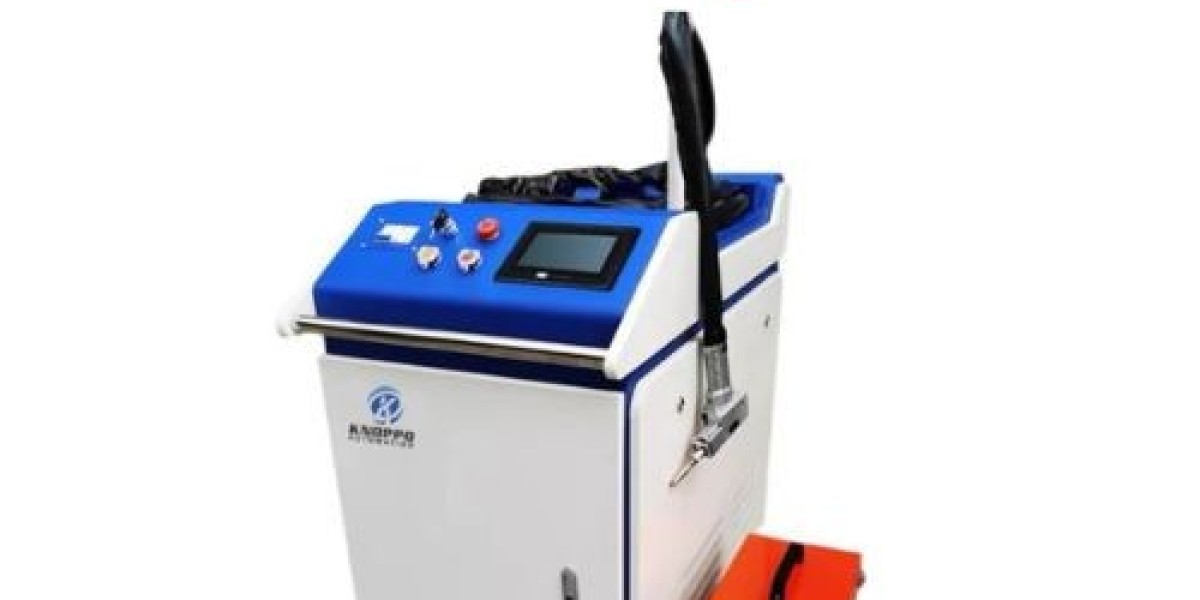

Metal surfaces naturally face rust, oxidation, paint residue, and other forms of contamination over time. In workshops, manufacturing facilities, restoration projects, and maintenance operations, removing these unwanted layers is an important part of keeping equipment and components ready for further use. A handheld laser rust remover provides a modern approach to surface cleaning by directing controlled laser energy onto the affected area.
Unlike traditional cleaning methods that rely heavily on abrasive materials or chemical treatments, laser-based cleaning works through carefully controlled energy delivered directly to the contaminated surface. This makes it suitable for a wide range of applications where accurate and controlled rust removal is required. The handheld format also makes it convenient for operators working with different shapes, sizes, and positions of metal components.
Understanding Handheld Laser Rust Remover Technology
A handheld laser rust remover is designed to remove rust and surface contaminants through laser ablation. When the laser beam reaches the unwanted layer, the energy interacts with the rust, oxidation, paint, or other residue and causes it to separate from the underlying surface.
The process can be adjusted according to the material, contamination level, and desired cleaning result. Operators can control parameters such as laser power, scanning speed, frequency, and cleaning pattern. These adjustments help create a controlled working process for different metal surfaces.
The handheld design allows the operator to guide the laser cleaning head across the workpiece. This approach is particularly useful for components that cannot easily be moved into large cleaning systems.
Where Rust Removal Becomes Essential
Rust can appear on machinery, automotive components, tools, structural parts, molds, pipes, metal frames, and industrial equipment. If surface contamination is not addressed, it can interfere with painting, welding, coating, inspection, and restoration work.
A handheld laser rust remover can be incorporated into maintenance and restoration processes to prepare metal surfaces before subsequent operations. For example, a rusty component may require cleaning before painting, while a metal part may need surface preparation before welding or coating.
Because the cleaning process can be directed toward specific areas, laser cleaning is also suitable for restoration work where careful surface treatment is important.
Controlled Cleaning for Metal Surfaces
One of the central principles of laser cleaning is controlled energy delivery. Instead of treating an entire workpiece without distinction, the operator can guide the laser over selected areas.
This controlled approach makes a handheld laser rust remover useful for localized rust removal. Small contaminated sections can be treated without requiring an extensive cleaning setup. Larger surfaces can also be covered systematically by moving the handheld cleaning head across the workpiece.
The operator can select appropriate settings based on the condition and type of material being treated. This provides flexibility across different cleaning tasks.
Applications in Industrial Maintenance
Industrial machinery regularly encounters dust, oxidation, grease residue, paint, and other surface contaminants. Maintenance teams need practical methods for preparing components during repair and refurbishment activities.
A handheld laser rust remover can be used on suitable metal machinery components to remove rust and unwanted surface layers. This can support maintenance workflows in manufacturing plants, engineering workshops, fabrication facilities, and equipment restoration environments.
The handheld configuration is especially useful when machinery or large components are difficult to transport. Operators can bring the cleaning equipment to the work area rather than moving every component to a dedicated cleaning station.
Automotive and Vehicle Restoration
Automotive restoration frequently involves rusty brackets, frames, engine components, tools, and other metal parts. Before refinishing or protective treatment, these surfaces often require thorough preparation.
A handheld laser rust remover can be used for targeted cleaning during restoration projects. The operator can work along affected sections and remove unwanted rust before preparing the surface for painting, coating, or other restoration procedures.
Its handheld format also provides practical maneuverability around corners, edges, joints, and irregularly shaped components.
Metal Fabrication and Welding Preparation
Surface cleanliness is important in many metal fabrication processes. Rust, oxidation, paint, and other contaminants can interfere with preparation work before welding or finishing.
Laser cleaning can be incorporated into fabrication workflows to prepare selected areas before additional processing. With a handheld laser rust remover, operators can direct the cleaning beam precisely along the area requiring preparation.
This makes it useful for workshops that handle different components and need a flexible cleaning solution for occasional or regular surface preparation.
Restoration of Tools and Components
Old tools and metal components can accumulate rust after long periods of storage or exposure to moisture. Restoration work often requires careful removal of unwanted surface contamination.
A handheld laser rust remover provides a targeted approach for cleaning suitable metal objects. Operators can move the laser cleaning head across the affected area and adjust the working parameters according to the restoration requirements.
This makes laser cleaning relevant to maintenance professionals, engineering workshops, restoration specialists, and industrial service providers.
Cleaning Before Painting and Coating
Surface preparation plays an important role before applying paint or protective coatings. Rust and residue can prevent coatings from achieving the desired surface contact.
Using a handheld laser rust remover as part of the preparation process allows operators to clean selected metal areas before coating. Removing unwanted surface contamination can help create a cleaner base for subsequent finishing operations.
The cleaning process can be organized according to the shape and condition of the component, making it suitable for both detailed and larger preparation tasks.
Portable Operation for Flexible Workflows
A major part of the handheld concept is mobility. Many industrial cleaning tasks involve components that are large, fixed, or difficult to transport.
A handheld laser rust remover allows operators to perform cleaning directly at the work location. This can be useful when maintaining large machinery, structural metalwork, production equipment, or installed components.
The portable approach can also help workshops handle different projects without dedicating a large permanent area to every cleaning application.
Working With Different Surface Conditions
Rust does not always appear in the same form. Some surfaces may have light oxidation, while others may have thicker layers of corrosion or mixed contamination.
Laser cleaning systems can be configured for different working conditions. The operator can select appropriate settings and cleaning patterns based on the surface being treated.
For businesses handling a variety of metal components, this adaptability makes the handheld laser rust remover an interesting addition to modern surface preparation processes.
Precision Around Detailed Components
Metal components frequently contain grooves, edges, joints, holes, corners, and detailed structures. Cleaning such areas with conventional methods can require careful manual work.
A handheld laser cleaning head can be guided around these sections, allowing operators to focus the cleaning process where it is required. The precision of the laser beam makes it suitable for applications where controlled surface treatment is important.
This is particularly relevant to restoration, engineering, automotive, tooling, and fabrication environments.
Choosing the Right Laser Cleaning Approach
Selecting a suitable laser cleaning system requires consideration of the material, contamination type, component size, cleaning area, and intended workflow. Laser power and operating parameters should be selected according to the specific application.
For frequent rust removal on different metal components, a handheld laser rust remover can provide a flexible working format. Businesses can evaluate their typical cleaning requirements and select equipment that matches their production and maintenance activities.
Proper operator training and adherence to the manufacturer's operating instructions are also essential for safe and consistent use.
Professional Surface Preparation With Laser Cleaning
Modern workshops increasingly focus on efficient and controlled surface preparation. Laser cleaning technology fits into this development by offering a precise method for treating suitable metal surfaces.
A handheld laser rust remover can become part of a broader workflow that includes inspection, cleaning, preparation, coating, welding, and restoration. By integrating laser cleaning into these processes, professionals can approach surface preparation with greater control and flexibility.
The technology is suitable for businesses looking to modernize their cleaning operations while maintaining attention to detailed workmanship.
Maintenance and Restoration Opportunities
Equipment restoration often requires more than simply removing visible rust. Components may need to be prepared for inspection, refinishing, protective treatment, or continued service.
Laser cleaning can support these stages by providing a focused method for removing unwanted surface layers. With a handheld laser rust remover, operators can address specific areas while working directly on components of different shapes and dimensions.
This makes it relevant for both routine maintenance and specialized restoration projects.
Building a Modern Workshop
Adding laser cleaning equipment can help workshops expand the range of surface preparation services they provide. A business may use the system for rust removal, paint stripping, oxidation cleaning, and preparation before other industrial processes.
The handheld laser rust remover format provides a practical option for workshops that need mobility and precision. It can be used across different projects while supporting a cleaner, more organized approach to metal surface preparation.
Professional Results Through Proper Operation
The quality of laser cleaning depends on correct equipment selection, suitable settings, surface assessment, and operator technique. Professionals should always follow the equipment manufacturer's instructions and establish appropriate procedures for each material and application.
When used correctly, laser cleaning can deliver consistent treatment across selected metal surfaces. Regular practice and proper parameter selection can help operators develop reliable cleaning procedures for repeated jobs.
Growing Role of Laser Technology in Surface Cleaning
Laser technology continues to become more relevant across industrial manufacturing, restoration, maintenance, and fabrication. Surface cleaning is one area where controlled laser energy offers an alternative approach to conventional preparation techniques.
The handheld laser rust remover represents this shift toward more precise and flexible cleaning equipment. As businesses seek modern solutions for maintaining metal components, laser cleaning can become an important part of professional surface preparation.
Final Thoughts
A handheld laser rust remover offers a modern and controlled approach to removing rust and unwanted surface contamination from suitable metal components. Its handheld design provides flexibility for workshops, maintenance teams, restoration professionals, automotive specialists, and industrial operators working with components of different shapes and sizes.
From rust removal and paint preparation to fabrication, restoration, and equipment maintenance, laser cleaning can support a wide range of professional applications. With suitable equipment, proper parameter selection, and trained operation, businesses can integrate laser technology into their surface preparation workflows and create a more modern approach to metal cleaning.
As demand for precise and efficient industrial cleaning continues to grow, the handheld laser rust remover stands as a valuable solution for professionals seeking advanced surface treatment technology.