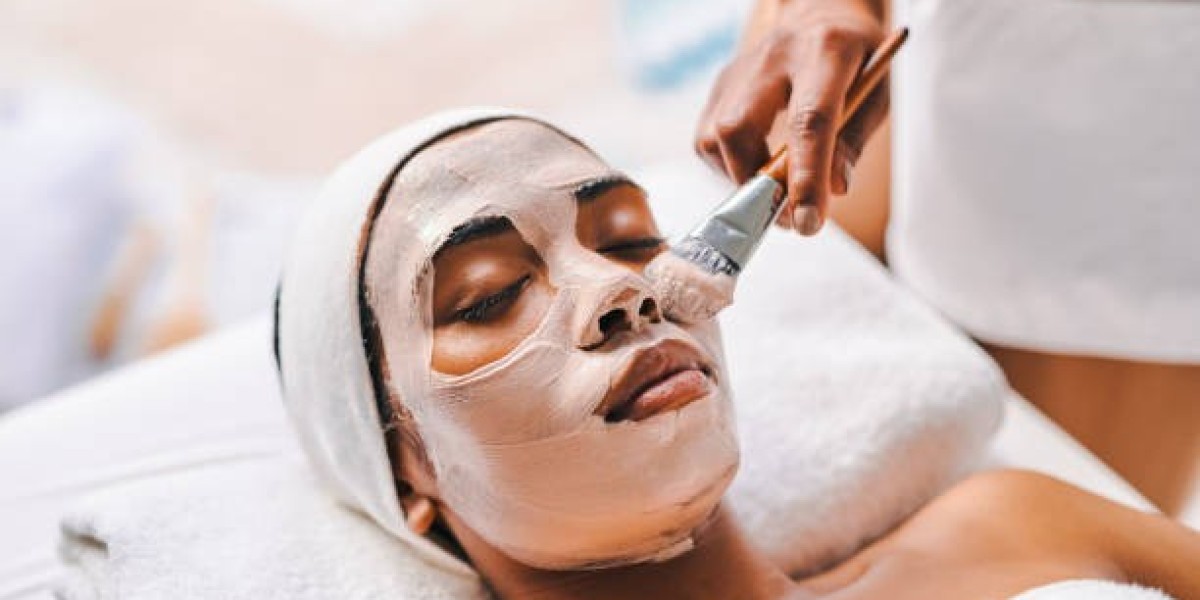

A lot of people put off booking a facial for months, sometimes years, simply because they don't know what's going to happen once they're lying on that table. Will it hurt? Will they break out the next day? What if the esthetician judges their skin? These are real concerns, and they're worth addressing before you walk through the door. If you've been thinking about visiting a Facial Spa in San Diego, CA and want to know exactly what you're signing up for, this guide walks you through the whole thing, start to finish, so nothing catches you off guard.
What Actually Happens During a Standard Facial
Most professional facials follow a pretty consistent sequence. It starts with a consultation. Your esthetician will ask about your skin type, any sensitivities, what products you're using at home, and whether you've had any recent procedures or reactions. Don't skip this part or rush through it. The more honest you are, the better they can tailor the treatment to what your skin actually needs.
After that, it's cleansing. Usually two rounds. The first removes makeup, sunscreen, and surface grime. The second goes a bit deeper and preps the skin for everything that follows. Then comes steam, which softens the skin and opens up pores. Some people find it deeply relaxing. Others feel a little claustrophobic at first. Totally normal either way.
Extractions come next, and this is the part people tend to dread. A skilled esthetician uses gentle pressure to clear out clogged pores, blackheads, and whiteheads. It can feel like a pinch in certain spots. But it shouldn't feel like someone is tearing your face apart. After extractions, a serum or treatment product goes on, followed by a mask suited to your skin type, and then a moisturizer and SPF to finish. The whole thing usually takes 60 to 90 minutes.
How to Prep Your Skin Before You Go
The 48 hours before your appointment matter more than most people realize. Stop using retinol, strong acids, and physical exfoliants at least two days out. Your skin will already be getting a solid treatment, and layering aggressive actives on top of that is just asking for irritation. Same goes for waxing or threading the face. Don't do it right before.
Skip the sun, too. Sunburned or heavily tanned skin is more reactive, and it can make extractions genuinely uncomfortable. Show up with clean skin if you can, but don't stress if you've got a bit of makeup on. That's what the cleansing step is for. And drink water. Hydrated skin responds better to treatment, and it's one of those things that's easy to forget.
One thing worth mentioning: if you're on prescription retinoids like tretinoin, let your esthetician know during the consultation. They may adjust the products they use or skip certain steps entirely. Facials in San Diego, CA tend to draw a mix of skincare beginners and people with pretty advanced routines, so a good esthetician is used to working around all kinds of situations.
What You'll Feel During the Session
Some of it feels great. The cleansing massage, the mask, the moisturizer at the end. Pure relaxation for most people. But there are a few sensations that can catch first-timers off guard. Steam can feel intense if you're not used to it. Tell your esthetician if it's too warm. They'll pull it back a bit.
Extractions are the main thing people worry about. Honest answer: some spots hurt more than others. The nose tends to be the most sensitive area. A quick sting, a little pressure, and then it's done. If something feels genuinely sharp or wrong, say something out loud. You're allowed to ask them to ease up or skip a spot entirely.
Some treatment serums tingle. Especially anything with vitamin C or mild acids. A little tingle is usually just the product doing its job. A burning sensation that doesn't fade after 30 seconds or so is worth flagging. Good estheticians check in with you throughout, but don't wait for them to ask if something feels off.
What Your Skin Looks Like Right After
Here's the part nobody warns you about. You might walk out looking a little red. Especially around areas where extractions happened. This is normal. It usually calms down within a few hours, sometimes by the next morning. Don't schedule your facial the day before a big event. Give yourself a buffer of at least two or three days.
Some people also experience what's called purging in the week after a facial. Small breakouts, usually around the forehead, chin, or nose. This happens because the treatment brought congestion to the surface that was already lurking under the skin. It's not a reaction to the products. It's the skin clearing itself out. Annoying, but it typically resolves faster than a regular breakout would.
If you notice hives, swelling, or a rash that spreads, that's different. That's a potential allergic reaction and it's worth contacting the spa or a dermatologist. For most people, though, the worst you'll see is some temporary redness and maybe a spot or two. If you're getting facials in San Diego, CA and working with a licensed esthetician, they'll be upfront with you about what's normal to expect for your specific skin type. Bonnie Cruz Esthetics is one place that takes the time to walk clients through this before the session even starts, which makes a real difference for first-timers.
How to Take Care of Your Skin in the Days After
Keep it simple. That's the main rule. Your skin has just been through a lot of good things, but it's also a bit more sensitive than usual. Stick to a gentle cleanser, a basic moisturizer, and SPF during the day. Skip the actives for at least 48 to 72 hours. No retinol, no acids, no scrubs.
Don't pick at anything. Seriously. If purging happens and a small blemish shows up, leave it alone. Picking at post-facial skin can cause scarring and undo a lot of the work that just got done. Also, stay out of the gym for the rest of the day. Heat and sweat on freshly treated skin can cause irritation or push bacteria into open pores.
The results of a good facial tend to show up fully around day three or four, once any initial redness has settled and the skin has had time to regulate. Most estheticians recommend getting a facial roughly once a month to keep things consistent. According to skin care guidance from the American Academy of Dermatology, consistency in your routine matters more than any single treatment, and that applies to professional services too.
Frequently Asked Questions
Is a facial going to hurt?
Most of it doesn't. The cleansing, steaming, masking, and massage portions feel good for the majority of people. Extractions can sting briefly in sensitive spots, particularly around the nose. But a skilled esthetician works carefully and checks in with you. If something feels wrong, just say so.
Can I wear makeup to my appointment?
Yes. Your esthetician will remove it during the cleansing step. That said, showing up with a clean face saves a little time and means the cleanse can go deeper from the start. Either way, don't stress about it.
How long will the redness last after my first facial?
Usually a few hours. For people with more sensitive skin, it can linger into the next day, especially around areas where extractions were done. Keeping the skin cool and moisturized helps it settle faster. Avoid heat, steam, and heavy exercise for the rest of the day.
Should I tip my esthetician?
Yes, generally. Tipping is standard in the spa industry. Most people tip somewhere between 15 and 20 percent of the service cost. If the esthetician went out of their way to work with your specific concerns or made you feel genuinely comfortable, tip on the higher end. They'll appreciate it.
How often should I get a professional facial?
Once a month is the standard recommendation. Skin goes through a natural renewal cycle of about 28 days, so monthly facials line up well with that. If you're addressing a specific concern like congestion or uneven texture, your esthetician might suggest a slightly different schedule to start. A Facial Spa in San Diego, CA with a good esthetician will help you build a plan that fits your skin and your budget.