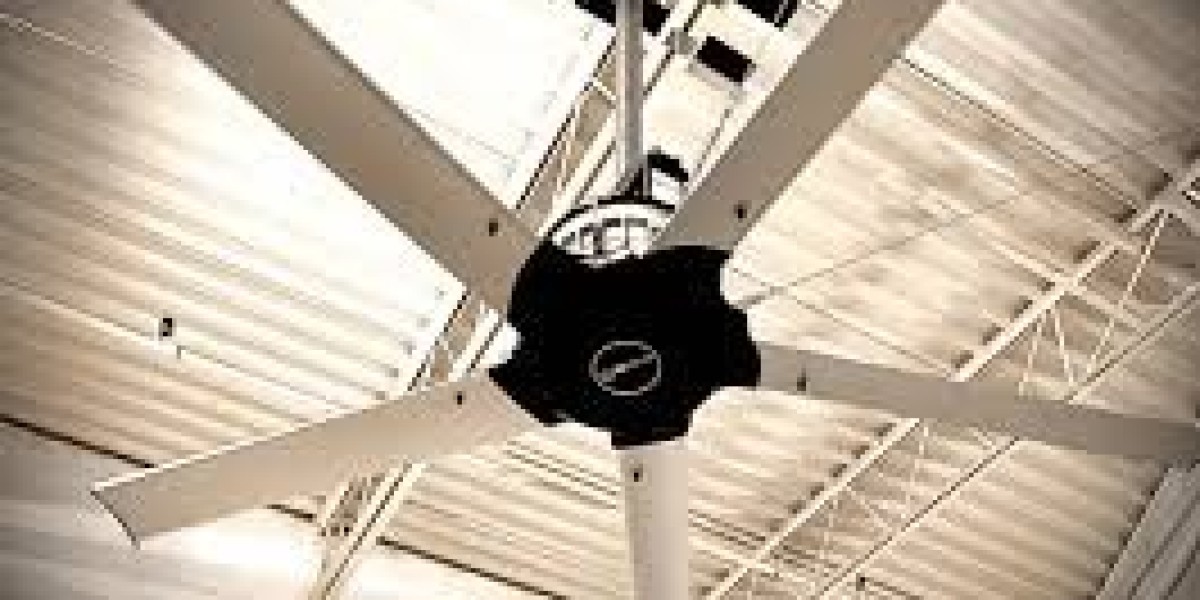

High Volume Low Speed (HVLS) fans are designed to move large volumes of air efficiently across warehouses, manufacturing facilities, distribution centres, agricultural buildings, and other large spaces. While these fans are built for reliable, long-term operation, regular maintenance is essential to keep them performing efficiently and safely.
A well-maintained HVLS fan can provide consistent airflow, reduce energy consumption, minimize unexpected repairs, and extend the life of critical components. Here are some practical maintenance tips to help maximize your HVLS fan's performance and lifespan.
1. Clean the Fan Blades Regularly
Dust and dirt can accumulate on fan blades over time, particularly in warehouses, workshops, and manufacturing environments. Excessive buildup can affect airflow and place additional strain on the motor.
Regularly inspect and clean the blades using appropriate cleaning equipment and manufacturer-recommended methods. Avoid harsh chemicals that could damage protective coatings or blade materials.
2. Inspect the Motor
The motor is one of the most important components of an HVLS fan. During routine maintenance, check for unusual noises, excessive vibration, overheating, or changes in performance.
If you notice unusual motor behaviour, have the fan inspected by a qualified technician. Addressing minor issues early can help prevent costly failures.
3. Check Mounting Hardware
HVLS fans are suspended from ceilings, so secure mounting is essential for safe operation.
Inspect:
- Mounting brackets
- Bolts and fasteners
- Safety cables
- Support structures
- Connection points
Loose or damaged components should be repaired or replaced promptly according to the manufacturer's specifications.
4. Inspect Fan Blades
Fan blades should remain properly aligned and securely attached. Look for cracks, bends, corrosion, or other signs of damage.
Damaged blades can reduce airflow efficiency and cause vibration. Replacing damaged components promptly helps protect the fan and surrounding equipment.
5. Monitor for Unusual Vibrations
Excessive vibration can indicate several potential problems, including:
- Loose hardware
- Blade imbalance
- Motor issues
- Worn components
- Improper installation
If vibration becomes noticeable, stop and inspect the fan according to the manufacturer's safety procedures. Continued operation with excessive vibration may cause additional damage.
6. Check Electrical Connections
Electrical connections should be inspected periodically for signs of wear, corrosion, or loose connections.
Look for:
- Damaged wiring
- Loose terminals
- Discoloration
- Overheating
- Fault indicators
Electrical maintenance should be performed by appropriately qualified personnel to ensure safe operation.
7. Maintain Proper Lubrication When Required
Some HVLS fan components may require lubrication, while others are designed with maintenance-free bearings. Always follow the manufacturer's maintenance instructions.
Over-lubrication can be just as problematic as insufficient lubrication, so use the recommended lubricant and quantity when applicable.
8. Inspect Safety Features
Safety components should never be overlooked during maintenance.
Check:
- Safety cables
- Mounting hardware
- Blade attachments
- Protective components
- Emergency stop systems
- Control systems
Any damaged safety component should be addressed immediately.
9. Check the Control System
Modern HVLS fans may use wall controls, remote controls, variable speed drives, or automated building management systems.
Regularly verify that speed controls and other operating functions respond correctly. Faulty controls can prevent the fan from operating at its intended efficiency.
10. Keep the Area Around the Fan Clear
The fan needs sufficient clearance to circulate air effectively. Storage racks, equipment, suspended objects, or other obstructions can interfere with airflow.
Maintain adequate clearance around the fan and avoid placing objects directly beneath or too close to the blades.
11. Schedule Preventive Maintenance
Instead of waiting for a problem to occur, establish a preventive maintenance schedule.
Depending on the facility and operating conditions, maintenance may include:
- Routine visual inspections
- Blade cleaning
- Motor checks
- Hardware inspections
- Electrical inspections
- Control-system checks
- Professional servicing
Facilities exposed to heavy dust, moisture, or continuous operation may require more frequent inspections.
12. Pay Attention to Seasonal Changes
HVLS fans can support both cooling and heating efficiency.
During warmer months, inspect the fan before periods of heavy use to ensure it is ready for continuous operation. Before winter operation, verify that the fan and controls are functioning correctly if the system will be used for air destratification.
Seasonal inspections can help identify problems before they affect daily operations.
Signs Your HVLS Fan Needs Attention
Facility managers should watch for warning signs such as:
- Unusual noises
- Excessive vibration
- Reduced airflow
- Motor overheating
- Unusual smells
- Inconsistent speed
- Control problems
- Visible blade damage
These signs should not be ignored. Early inspection can prevent minor problems from becoming expensive repairs.
Benefits of Regular HVLS Fan Maintenance
Consistent maintenance provides several advantages:
Improved Performance
Clean blades, properly secured components, and a well-maintained motor help the fan maintain efficient airflow.
Lower Energy Consumption
A properly maintained fan can operate more efficiently, helping reduce unnecessary energy use.
Fewer Unexpected Repairs
Preventive maintenance allows potential problems to be identified before they lead to major equipment failures.
Longer Equipment Lifespan
Regular inspections and servicing help protect motors, blades, controls, and other components from premature wear.
Improved Safety
Maintaining mounting systems, safety cables, electrical components, and other critical parts helps create a safer operating environment.
When to Call a Professional
Some maintenance tasks can be handled as part of routine facility inspections, but electrical work, structural inspections, motor repairs, and other specialized services should be performed by qualified professionals.
Always follow the manufacturer's maintenance recommendations and safety procedures. If a fan shows significant vibration, electrical problems, structural damage, or serious mechanical issues, professional inspection is recommended before returning it to normal operation.
Final Thoughts
HVLS fans are an important investment for facilities that need efficient air circulation across large spaces. However, proper maintenance is essential to protect that investment. Regular cleaning, inspections, hardware checks, motor monitoring, and preventive servicing can help maintain airflow efficiency and extend equipment lifespan.
By establishing a consistent HVLS fan maintenance program, facility managers can reduce downtime, improve energy efficiency, enhance workplace safety, and keep their ventilation systems operating reliably for years to come.