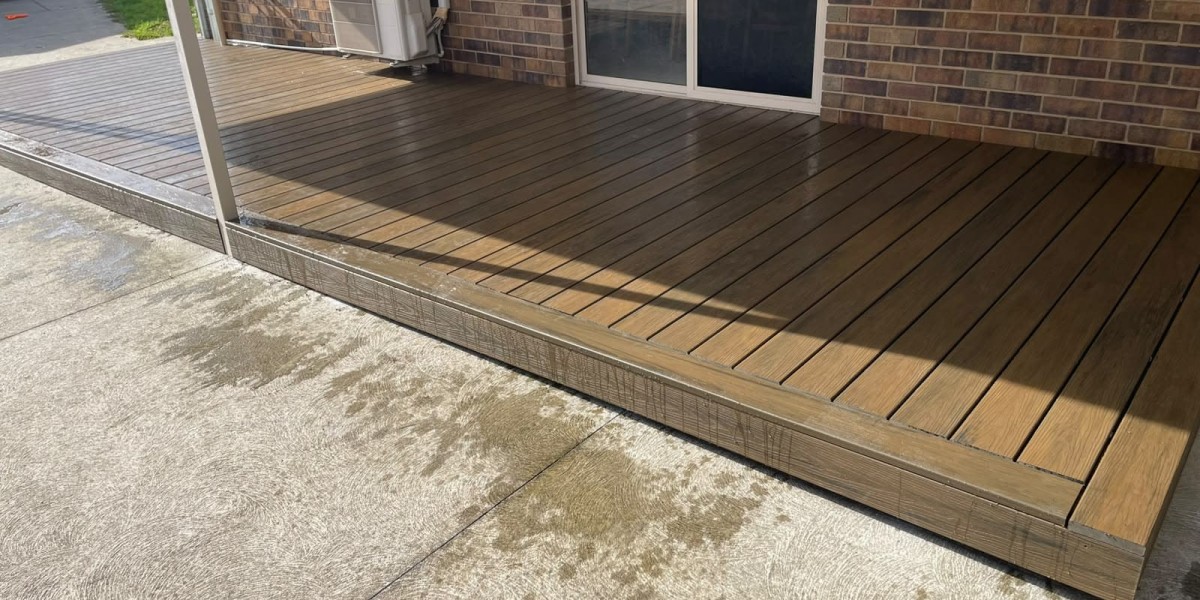

Neither is simply "better." The right choice depends on how you want to use the space, how much maintenance you're willing to take on, how the deck will look against your home, and how you weigh upfront cost against long-term ownership. If you're weighing up composite decking Melbourne options against traditional timber, this guide walks through the honest trade-offs so you can decide based on your own priorities rather than a sales pitch.
The Core Difference
Timber decking is natural wood — usually hardwood or treated pine — cut into boards. Its appeal is genuine: real grain, natural warmth and a look many people love. The trade-off is that timber is a living material that reacts to sun, rain and foot traffic over time, which is where ongoing maintenance comes in.
Composite decking is engineered from a blend of wood fibres and plastic. It's designed to give a timber-inspired appearance while behaving more predictably outdoors, with a surface that doesn't need the same refinishing routine. The trade-off there is a different look and feel from natural wood, and a different cost profile. Understanding those two personalities is the foundation for everything else.
Appearance
Timber wins on pure authenticity. Natural wood grain, the variation between boards and the way timber weathers all give it a character composite works hard to imitate but can't perfectly replicate. For homeowners who specifically want the look and warmth of real wood, that matters.
Composite has closed the gap considerably, though. Modern boards come in a wide range of tones — from warm timber-inspired shades to contemporary greys and darker finishes — with grain textures designed for visual interest. Its advantage is consistency: composite keeps its intended colour and finish far more predictably than timber, which silvers, greys and shifts as it ages unless it's actively maintained. So the real question is whether you value natural authenticity that changes over time, or a consistent appearance that stays close to how it looked on day one.
Maintenance
This is where the two diverge most, and for many homeowners it's the deciding factor.
Timber needs regular upkeep to stay at its best — periodic cleaning plus oiling or staining to protect it and manage how it weathers. Skip that routine and timber will still function, but it'll grey and show its age faster. It's a material that rewards owners who enjoy or don't mind seasonal maintenance.
Composite is designed to sidestep that refinishing cycle. It doesn't need oiling or staining, and everyday care is generally limited to routine cleaning to keep dirt, leaves and spills from building up. It's worth being clear that no outdoor surface is truly maintenance-free — composite still needs sensible cleaning — but the ongoing effort is typically lower than timber's. If you want a deck to enjoy rather than a deck to maintain, this is composite's strongest argument.
Cost Over Time, Not Just Upfront
Timber often looks cheaper at the point of purchase, and for a tight upfront budget that's a real consideration. But the honest comparison isn't board price alone — it's cost over the life of the deck.
Timber's ongoing costs (oils, stains, time or paid labour to reapply them) accumulate year after year. Composite typically costs more upfront but avoids much of that refinishing spend, so the gap can narrow over time. Which comes out ahead depends on your timeframe, how diligently you'd maintain timber, and whether you're costing in your own labour. The useful mindset is to compare total ownership over the years you expect to keep the deck, rather than just the number on the first invoice.
Durability and Everyday Wear
Both materials can serve a home well, but they wear differently. Timber is tough and can be repaired board by board, though it's exposed to the natural effects of moisture, sun and traffic over time and depends on maintenance to hold up. Composite is built to resist much of that weathering and to keep its surface more consistent through heavy use, which suits high-traffic family and entertaining decks.
Whichever you choose, the structure underneath matters just as much as the surface. A sound, well-planned subframe and good drainage do more for a deck's longevity than the board material alone — so neither choice removes the need to get the groundwork right.
Matching the Material to How You'll Use the Space
The best material depends heavily on the deck's purpose. A busy family entertaining area with kids, furniture and constant foot traffic leans toward composite's low-maintenance consistency. A quiet retreat where a homeowner actively enjoys the character of natural wood — and doesn't mind maintaining it — may be a better fit for timber.
Location plays a part too. Areas beside a pool or exposed to frequent moisture and strong sun put more demand on a surface and its upkeep, so factor in exposure and drainage when deciding. Think honestly about who'll use the deck, how often, and how much time you'll realistically put into looking after it — that's usually more decisive than appearance alone.
Getting Good Advice on the Choice
Because the trade-offs come down to your specific priorities, clear product information matters when you're comparing. Good composite decking suppliers should help you understand how their boards actually behave — dimensions, finishes, installation requirements, care and warranty — rather than just handing you a colour chart. Being able to compare real specifications, and ideally view samples in the space where the deck will go, makes the composite-versus-timber decision far more grounded than judging from photos or headline prices.
If you're hiring a builder, it's worth involving them early too. An experienced installer can tell you how each material suits your planned structure and site, and help you weigh the practical differences for your particular project.
A Quick Way to Decide
As a rough guide: lean toward composite if you want a consistent appearance, lower ongoing maintenance, and are comfortable with a higher upfront cost offset over time. Lean toward timber if you specifically want the authentic look and feel of natural wood, are happy to maintain it, and prefer a lower initial outlay.
Neither answer is universal — the right call depends on how the numbers and priorities stack up for your home. When you compare decking suppliers Melbourne, look for ones who'll talk you through these trade-offs honestly rather than pushing one material regardless of your project, and weigh their guidance alongside product range, availability and overall value.
Final Thoughts
Composite and timber decking are both capable choices — they just suit different owners. Timber offers natural authenticity and a lower entry price in exchange for ongoing maintenance and gradual weathering. Composite offers a consistent, lower-upkeep surface in exchange for a higher upfront cost and a look that's timber-inspired rather than true wood.
Start from how you'll use the space, how much maintenance you genuinely want, and how you weigh upfront versus long-term cost. Compare real product information and, where you can, samples in your own outdoor area. Decide it that way and the choice stops being about which material is "best" in general, and becomes about which one is right for your home, your outdoor space and the way your household plans to live on the deck.