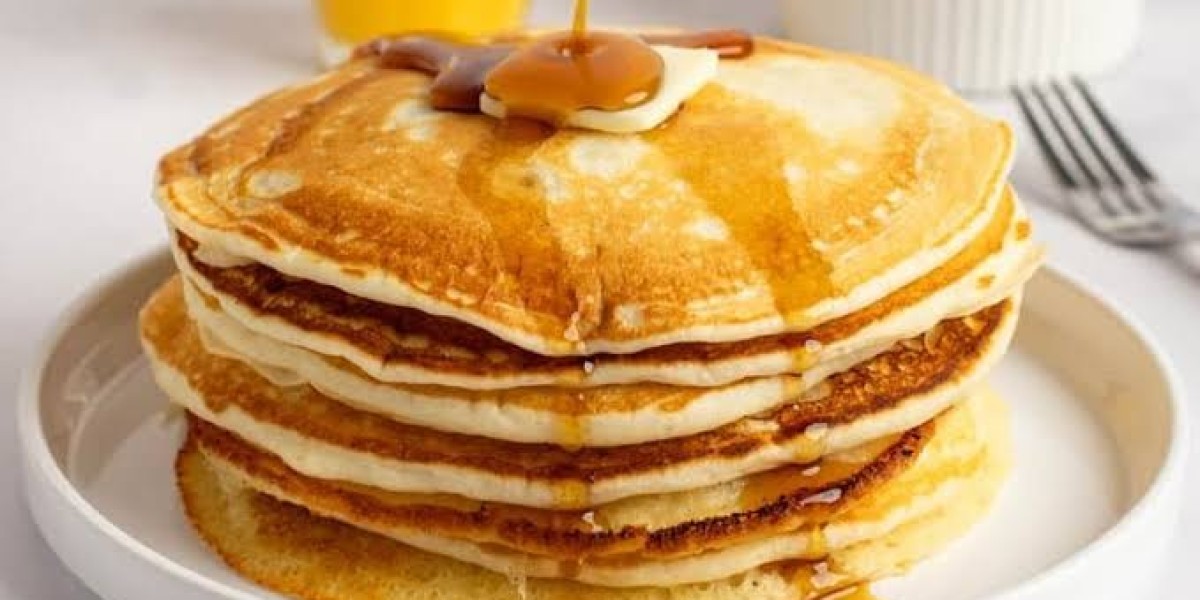

When people search for a recipe for IHOP pancakes, they are often looking for homemade pancakes that are soft, light, fluffy, and suitable for a classic family breakfast. The ingredients may look simple, but each one has a different job in the batter.
There is no need to use a long list of unusual ingredients. Flour creates structure, eggs help hold everything together, milk provides moisture, and leavening helps the pancakes rise. Fat, salt, and a small amount of sweetness can also affect flavor and texture.
This guide from Daily Bite Recipes explains what each ingredient does and how the ingredients work together. It is a homemade pancake guide and should not be understood as an official restaurant formula or proprietary recipe.
Start With All-Purpose Flour
All-purpose flour is a practical base for homemade pancakes because it provides enough structure without making them extremely heavy.
When liquid is mixed with flour, proteins in the flour begin forming gluten. Some gluten is useful because it holds the pancake together. Too much development, however, can create a tougher texture.
This is why a homemade recipe for IHOP pancakes should be mixed gently. Once the flour has been added, the goal is to combine the ingredients rather than beat the batter until perfectly smooth.
Small lumps are generally less of a problem than overmixing.
Why Baking Powder Matters
Baking powder is one of the most important ingredients when you want fluffy pancakes.
It produces gas bubbles in the batter. As the batter cooks, those bubbles help create a lighter interior rather than a flat, dense pancake.
Old baking powder may not work as effectively, so using reasonably fresh leavening is important.
Adding a large amount is not a shortcut to extra-fluffy pancakes. Too much can affect both taste and texture. A balanced amount works better than simply adding more.
What About Baking Soda?
Baking soda can also contribute to browning and rise, but it works differently from baking powder.
It needs enough acid in the batter to react properly. This is one reason buttermilk is useful in some pancake recipes.
If your homemade recipe for IHOP pancakes uses regular milk without another acidic ingredient, you should not automatically add baking soda and expect the same result.
The wet and dry ingredients need to be designed to work together.
Buttermilk Can Improve the Batter
Buttermilk is a useful ingredient for soft, flavorful pancakes.
Its acidity can work with baking soda when both are included in a properly balanced recipe. It also contributes moisture and a mild tang.
Regular milk can still produce good pancakes, so buttermilk is not essential for every homemade version.
If you replace buttermilk with another liquid, remember that substitutions can change acidity, thickness, flavor, and how the leavening behaves.
Eggs Provide Structure
Eggs perform several jobs at once.
They contribute moisture and richness while helping the pancake hold together during cooking.
Too little egg can leave a batter with weak structure. Too much egg may push the texture away from the soft pancake result you are trying to achieve.
For a balanced recipe for IHOP pancakes, eggs should support the flour and liquid rather than dominate the mixture.
A Small Amount of Sugar Has Several Jobs
Sugar obviously adds sweetness, but that is not its only purpose.
It also contributes to browning and can influence tenderness.
Pancakes usually do not need to be extremely sweet because toppings can provide additional sweetness later.
Using a moderate amount gives you more control over the finished breakfast, especially if the pancakes will be served with fruit, syrup, or another sweet topping.
Salt Is Easy to Forget
Salt may seem unimportant in a sweet breakfast, but leaving it out can make pancakes taste flat.
A small amount helps balance sweetness and brings out the other flavors in the batter.
You should not be able to identify the pancakes as salty. It simply needs to be present in a suitable amount.
This small ingredient can make a noticeable difference in a simple recipe for IHOP pancakes.
Butter Adds Richness
Melted butter can add richness and flavor to pancake batter.
Fat also influences tenderness and helps create a pleasant mouthfeel.
However, adding much more butter does not automatically make pancakes better. An excessive amount can make the batter heavy or greasy.
The cooking surface also needs only enough fat to prevent sticking. Too much butter in the pan can produce uneven browning.
Can You Use Oil Instead?
A neutral cooking oil can replace butter in many homemade pancake recipes.
Oil contributes moisture and fat without adding the same buttery flavor.
The better option depends on what you want from the final pancake.
If flavor is the priority, butter may be preferable. If you simply need a neutral fat, oil can work.
Changing the type of fat may slightly change the taste and texture, so substitutions are not always completely invisible.
Vanilla Adds Background Flavor
Vanilla is optional, but a small amount can make plain pancakes taste more complete.
It works especially well when pancakes are served with fruit or other sweet toppings.
Vanilla should remain a background flavor rather than overpowering the batter.
A simple recipe for IHOP pancakes does not need several extracts or strong flavorings to taste good.
Ingredient Temperature Can Affect Mixing
Very cold ingredients can cause melted butter to firm up when the ingredients are combined.
Using ingredients at similar temperatures can make the batter easier to mix evenly.
This does not mean eggs or milk should be left unrefrigerated for long periods. Food safety still matters.
The practical goal is simply to avoid extreme temperature differences when combining the batter.
Measure Flour Carefully
Using too much flour is one of the easiest ways to make pancakes thick and dry.
If you measure flour by volume, avoid packing it firmly into the measuring cup.
A kitchen scale provides more consistent measurements when a recipe gives weights.
For anyone trying to repeat the same recipe for IHOP pancakes, accurate measurement is more useful than guessing based on how the batter looks.
Do Not Overmix the Batter
Even excellent ingredients can produce poor pancakes if the batter is overmixed.
Combine the wet ingredients separately from the dry ingredients first.
Then bring the two mixtures together gently.
Stop once you no longer see large areas of dry flour.
A few small lumps are acceptable. Continuing to mix simply to remove every lump can encourage more gluten development and lead to tougher pancakes.
Batter Thickness Matters
Pancake batter needs to spread on the cooking surface while still having enough body to rise.
A batter that is extremely thin may spread too far and produce flatter pancakes.
A batter that is excessively thick may not spread or cook evenly through the center.
This is why adding extra milk or flour without measuring can cause problems. Small adjustments should be made only when necessary.
Does Resting Pancake Batter Help?
A short rest can allow the flour to hydrate more evenly and gives the batter time to settle after mixing.
You do not need to leave it for a very long time.
If your recipe for IHOP pancakes includes chemical leavening, it is generally better to cook the batter within a reasonable period instead of preparing it many hours before cooking.
For make-ahead preparation, measuring and storing the dry ingredients separately can be more practical.
The Pan Temperature Is Just as Important as Ingredients
A good batter can still fail on a pan that is too hot or too cool.
If the surface is too hot, the outside can become dark before the center cooks.
If it is too cool, the pancakes may take longer to set and develop less attractive browning.
Medium or medium-low heat is a sensible starting point, but every stove and pan behaves differently.
Adjust the heat based on what you see while cooking.
How to Know When to Flip
Pour the batter onto the heated cooking surface and allow the first side to cook undisturbed.
As the pancake cooks, bubbles will begin appearing across the surface. The edges should also start looking more set.
When bubbles are appearing and the underside has developed a light golden color, gently flip the pancake.
Cook the second side until it is set and lightly browned.
Avoid repeatedly flipping the pancake.
Why the First Pancake May Look Different
The first pancake is sometimes less even than the rest.
The pan may still be reaching a stable temperature, or there may be too much fat on the surface.
Use the first pancake to judge your heat.
If it becomes dark very quickly, lower the temperature. If it stays pale for a long time, increase the heat slightly.
This simple adjustment can improve the rest of the batch.
What Makes Pancakes Fluffy?
There is no single secret ingredient.
Fluffy pancakes depend on the interaction between flour, liquid, eggs, leavening, mixing technique, batter consistency, and cooking temperature.
Fresh leavening helps create bubbles. Gentle mixing avoids unnecessary gluten development. Correct heat allows the center to cook before the outside burns.
A good recipe for IHOP pancakes needs all of these elements working together.
Ingredients That Can Change the Texture
Adding extra ingredients can be enjoyable, but each addition changes the batter.
Chocolate pieces add weight and sweetness. Fresh berries release moisture. Mashed banana can make pancakes softer and denser. Whole-grain flour absorbs liquid differently from all-purpose flour.
If you are trying a basic pancake formula for the first time, make it without major changes.
Once you understand the original batter, experimenting becomes much easier.
Simple Topping Ideas
Pancakes do not need complicated toppings.
Fresh strawberries, blueberries, banana slices, yogurt, a small amount of syrup, or a little butter can all work.
You can also serve pancakes with eggs or fruit for a more complete breakfast.
Keep toppings separate when serving several people so everyone can choose what they prefer.
Can Pancakes Be Prepared for a Family Breakfast?
Yes. Pancakes are easy to cook in batches.
Keep finished pancakes warm while preparing the remaining batter, but avoid leaving them exposed for too long because they can dry out.
If you regularly cook for several people, using a large flat cooking surface can make the process faster.
The same recipe for IHOP pancakes can be scaled when the ingredient ratios are adjusted carefully.
Storing Leftover Pancakes
Cool leftover pancakes before storing them.
Place them in a covered container and refrigerate them promptly. For longer storage, pancakes can also be frozen with baking paper between individual pieces.
When reheating, warm only the amount you plan to eat.
The texture may not be exactly the same as freshly cooked pancakes, but proper storage helps preserve their quality.
Common Pancake Mistakes
Overmixing is one of the biggest problems because it can make pancakes tougher.
Using old leavening may reduce rise.
Cooking over very high heat can burn the outside while leaving the middle undercooked.
Adding random amounts of extra flour or milk can also change the batter considerably.
Instead of searching for one secret ingredient, focus on accurate measurements and good cooking technique.
Frequently Asked Questions
What ingredients are most important in a recipe for IHOP pancakes?
For a homemade pancake inspired by this style, the basic ingredients usually include flour, leavening, milk or buttermilk, eggs, fat, sugar, and salt. Exact formulas can vary.
Is buttermilk necessary for fluffy pancakes?
No. Buttermilk can contribute flavor and acidity, but pancakes can also be made successfully with other liquids when the recipe is properly balanced.
Why are my pancakes flat?
Possible reasons include old leavening, very thin batter, overmixing, or an unsuitable cooking temperature.
Why are my pancakes tough?
Overmixing the batter is one possible cause. Too much flour or overcooking can also contribute to a firmer texture.
Should pancake batter have lumps?
A few small lumps are generally fine. Mixing aggressively until every lump disappears can work against a tender texture.
Can pancake batter be made the night before?
Some batters lose part of their leavening performance when stored for a long period after mixing. Preparing the dry ingredients ahead and mixing the full batter closer to cooking is often a better option.
Final Thoughts
The ingredients in a homemade recipe for IHOP pancakes may be simple, but their proportions and the way you handle them matter. Flour provides structure, leavening creates lift, eggs help bind the batter, milk adds moisture, and fat contributes tenderness and richness.