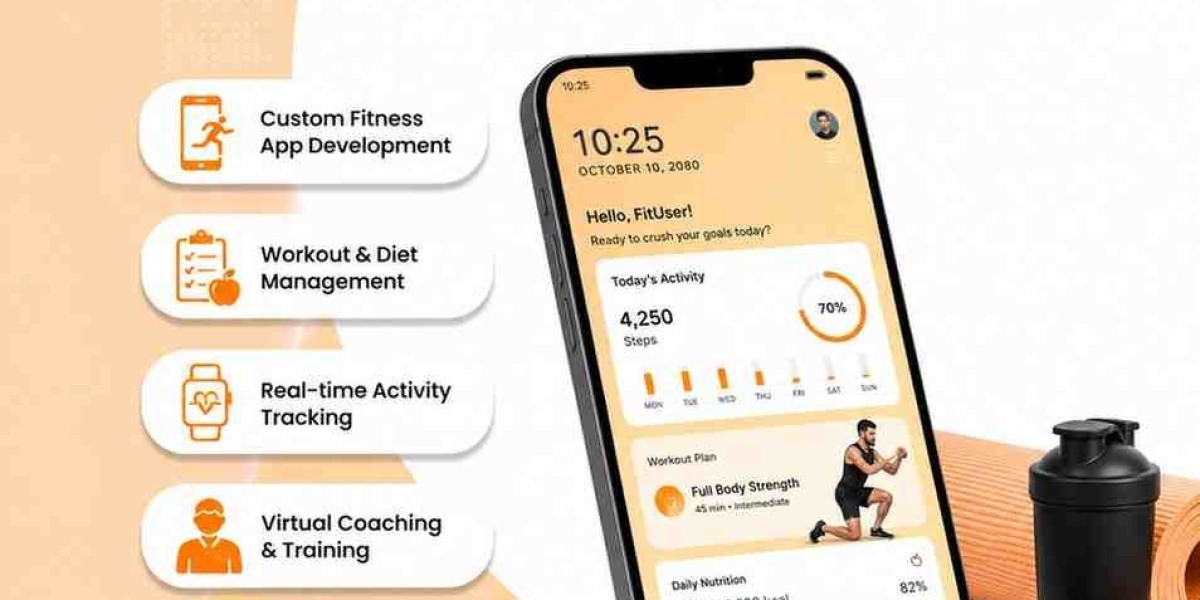

The global fitness app market continues to expand as more people embrace digital solutions for health and wellness. From AI-powered workout coaches and nutrition trackers to meditation platforms and virtual personal trainers, fitness apps have become an essential part of modern lifestyles. However, with thousands of fitness apps already available, simply launching another generic app is unlikely to succeed.
The key to building a profitable fitness app is finding the right niche. A well-defined niche helps you target a specific audience, solve real problems, and stand out in a competitive market. Before investing in development, conducting thorough market research is essential to validate your idea and reduce business risks.
This guide explains how to conduct effective market research and identify a profitable fitness app niche in 2026.
Why Market Research Matters
Market research helps you understand your audience, evaluate competitors, identify trends, and uncover business opportunities.
It enables you to:
Validate your app idea
Understand customer needs
Discover market gaps
Reduce development risks
Build features users actually want
Create a stronger business strategy
Without proper research, businesses often invest time and money into products that fail to attract users.
Step 1: Understand the Fitness Market
Begin by studying the overall fitness industry.
Research popular segments such as:
Home workout apps
Yoga and meditation
Weight loss programs
Personal training
Nutrition planning
Running and cycling
Strength training
Women's fitness
Senior wellness
Mental health and wellness
Understanding these categories helps you identify where demand is growing and where competition is highest.
Step 2: Define Your Target Audience
Your app should solve the needs of a specific group rather than trying to appeal to everyone.
Consider factors like:
Age group
Fitness level
Lifestyle
Occupation
Health goals
Budget
Preferred devices
For example, office professionals may need short home workouts, while athletes may prefer performance tracking and advanced analytics.
The more clearly you define your audience, the easier it becomes to create a valuable product.
Step 3: Analyze Competitor Apps
Competitor analysis reveals what works—and what doesn't.
Study successful fitness apps available on the App Store and Google Play.
Evaluate factors such as:
Core features
User interface
Ratings and reviews
Pricing models
Subscription plans
User engagement
Unique selling points
Pay close attention to user reviews, as they often highlight missing features, usability issues, and unmet expectations. These insights can help you identify opportunities to improve your own app.
Step 4: Identify Market Gaps
One of the most valuable outcomes of market research is discovering underserved areas.
Ask questions like:
Which user problems remain unsolved?
Which audiences receive limited attention?
What features do existing apps lack?
Are there opportunities for AI-driven personalization?
Can you combine fitness with another growing trend?
Examples of profitable niches include:
Fitness apps for seniors
AI-powered personal coaching
Women's wellness platforms
Corporate fitness programs
Rehabilitation and recovery apps
Adaptive fitness for people with disabilities
Focusing on a niche gives your app a stronger competitive advantage.
Step 5: Study Industry Trends
Keeping up with emerging trends helps you build an app that remains relevant for years.
Current trends include:
AI-powered fitness coaching
Wearable device integration
Virtual fitness classes
Personalized nutrition planning
Gamification
Social fitness communities
Mental wellness features
Voice-guided workouts
Including relevant trends can increase user engagement and improve your app's long-term appeal.
Step 6: Conduct User Surveys
Direct feedback from potential users provides valuable insights that market reports cannot.
Ask questions such as:
What fitness challenges do you face?
Which apps do you currently use?
Which features are most important?
What frustrates you about existing apps?
Would you pay for premium features?
Online surveys, interviews, and focus groups help validate your assumptions before development begins.
Step 7: Evaluate Monetization Opportunities
Your niche should also support a sustainable revenue model.
Popular monetization options include:
Monthly subscriptions
Annual memberships
In-app purchases
Personal coaching sessions
Nutrition consultations
Premium workout plans
Affiliate marketing
Advertisements
Research how similar apps generate revenue and identify opportunities that fit your audience.
Step 8: Analyze Keywords and Search Demand
SEO research helps measure user interest.
Use keyword research tools to identify:
High-volume search terms
Seasonal trends
Frequently asked questions
Related fitness topics
Understanding search demand helps you create a product that aligns with what users are actively looking for.
Step 9: Validate Your Idea with an MVP
Before building a fully featured application, develop a Minimum Viable Product (MVP).
An MVP includes only the essential features needed to solve your users' primary problems.
Launching an MVP allows you to:
Test market demand
Collect user feedback
Improve your product
Reduce development costs
Minimize business risks
Many successful fitness apps began with a simple MVP before expanding their feature sets.
Step 10: Monitor the Competition Regularly
Market research should continue even after your app launches.
Track competitors by monitoring:
New features
Pricing updates
Marketing campaigns
User feedback
Technology adoption
Industry partnerships
Continuous research helps your business stay competitive and respond quickly to changing customer expectations.
Common Mistakes to Avoid
Many businesses make avoidable mistakes during market research.
Common pitfalls include:
Targeting everyone instead of a niche
Ignoring user feedback
Copying competitors without differentiation
Overlooking monetization planning
Following trends without validation
Skipping MVP development
Avoiding these mistakes increases your chances of building a successful fitness app.
Working with an experienced Fitness App Development Company in India can also help you validate ideas, identify profitable niches, and plan a scalable development strategy.
Why the Right Development Partner Matters
Market research is only the first step. Turning insights into a successful product requires technical expertise, thoughtful planning, and a deep understanding of user behavior.
A trusted Fitness App Development Company in India can help transform your research into a feature-rich, secure, and user-friendly fitness application. From UI/UX design and AI integration to cloud infrastructure and post-launch support, the right partner ensures your app is built for long-term growth.
Conclusion
Finding a profitable fitness app niche starts with understanding the market, identifying user needs, studying competitors, and validating your ideas before development begins. By focusing on a specific audience instead of trying to serve everyone, businesses can create meaningful solutions that attract loyal users and generate sustainable revenue.
Successful fitness apps are built on research, not assumptions. Investing time in market analysis, trend evaluation, and user feedback helps reduce risks and improve your chances of success. Partnering with a reliable Fitness App Development Company in India further strengthens your development strategy by combining market insights with technical expertise.