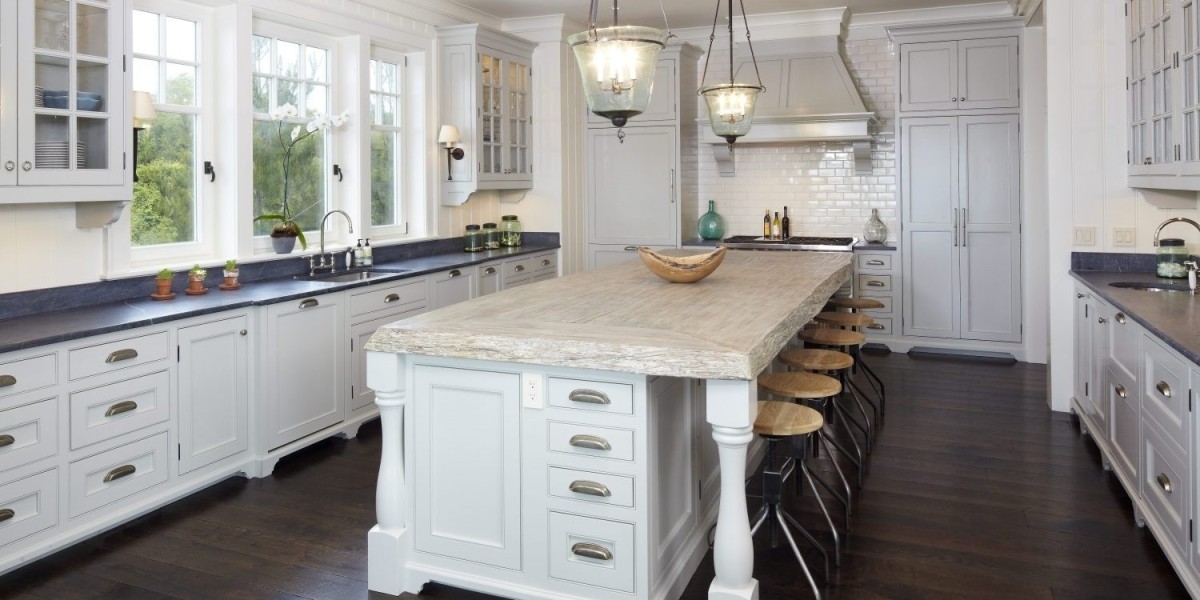

A kitchen drawer may seem like a simple feature, but the material behind it can determine how well it performs for years. Homeowners often focus on appearance while overlooking durability, especially in busy kitchens where storage is used constantly. Many people considering an Island with drawers on both sides want storage that can handle daily wear without sagging, cracking, or losing functionality. Choosing the right material is the key to long-lasting performance and value.
Why Drawer Material Matters in Everyday Kitchens
Kitchen drawers experience constant movement throughout the day. They hold cookware, utensils, food containers, and small appliances that create significant weight over time. A poorly constructed drawer can warp, loosen, or break under regular use.
Material quality affects strength, moisture resistance, appearance, and maintenance requirements. Selecting durable materials helps homeowners avoid frequent repairs and replacement costs. Strong construction also improves the overall efficiency of kitchen organization and storage.
Understanding the Demands of Daily Drawer Use
Kitchen environments expose drawers to challenges that other furniture rarely faces. Heat, humidity, spills, and repeated opening and closing create stress on both the drawer box and its components.
Drawers on both sides often serve multiple users simultaneously, making durability even more important. A well-built drawer should maintain smooth operation regardless of how frequently it is used. Strong materials provide stability and help preserve structural integrity for many years.
Solid Wood: A Traditional and Reliable Choice
Solid wood remains one of the most trusted materials for drawer construction. Hardwood species such as maple, oak, birch, and cherry offer exceptional strength and long-term reliability.
Unlike cheaper alternatives, solid wood resists bending and can support heavier loads. Properly finished hardwood also withstands normal kitchen moisture better than many budget materials. Its natural beauty adds warmth and character while providing dependable performance.
Benefits of Solid Wood Drawers
Solid wood offers several advantages for homeowners seeking long-lasting storage:
- Excellent durability and strength
- Attractive natural appearance
- Strong resistance to daily wear
- Easy repair and refinishing options
- Long service life when maintained properly
These benefits make hardwood drawers a popular investment for premium kitchen designs.
Plywood: One of the Best Modern Solutions
Plywood has become a preferred material among cabinet makers because it combines strength with stability. High-quality plywood consists of multiple wood layers bonded together in alternating grain directions.
This layered construction helps prevent expansion and contraction caused by humidity changes. As a result, plywood drawers maintain their shape better than many other engineered materials. Many professionals consider plywood one of the best choices for long-term drawer performance.
Why Plywood Performs Well
The cross-layer structure distributes weight evenly across the drawer. Heavy kitchen items place less stress on individual sections, reducing the risk of cracks or splitting.
Plywood also provides excellent screw-holding ability. Drawer slides remain secure over time, contributing to smoother operation and fewer maintenance concerns. This reliability makes it particularly suitable for large storage areas with drawers on both sides.
Maple Wood: A Favorite for Premium Drawer Boxes
Maple is one of the most commonly used hardwoods in quality cabinetry. Its dense grain structure provides outstanding resistance to dents and scratches.
Many cabinet manufacturers choose maple for drawer boxes because it combines durability with a clean appearance. The light color complements a wide range of kitchen styles while maintaining strength under daily use. Homeowners who prioritize longevity often find maple to be a worthwhile investment.
Oak: Strength and Character Combined
Oak has earned a strong reputation for durability in furniture and cabinetry. Its dense composition allows it to support heavy cookware and kitchen equipment without significant wear.
The distinctive grain pattern adds visual interest while providing structural stability. Oak drawers can last for decades when properly maintained. This combination of beauty and strength continues to make oak a respected choice for kitchen storage systems.
Birch: A Practical and Durable Alternative
Birch offers many of the advantages associated with hardwood construction while often remaining more budget-friendly. It features a smooth surface and strong internal structure that supports daily use effectively.
Cabinet makers frequently use birch for drawer components because it balances cost and performance. Proper finishing helps protect the material from moisture exposure and extends its lifespan significantly.
Medium-Density Fiberboard (MDF): Understanding Its Limitations
MDF is widely used in furniture manufacturing due to its affordability and smooth surface. It consists of wood fibers compressed with resin under high pressure.
Although MDF works well for certain applications, it generally does not match the durability of solid wood or plywood. Heavy loads can cause stress over time, especially in frequently used kitchen drawers. Moisture exposure may also affect its structural integrity if protective finishes become damaged.
When MDF Can Be Appropriate
MDF may be suitable for lighter storage applications where heavy cookware is not involved. It also provides a smooth surface for painted finishes.
However, homeowners seeking maximum durability should carefully evaluate whether MDF aligns with their long-term expectations. High-traffic kitchens often benefit from stronger materials that withstand greater demands.
Particleboard: A Budget-Oriented Option
Particleboard consists of wood particles bonded together with adhesive. It is generally one of the least expensive materials available for cabinet construction.
While it may reduce upfront costs, particleboard typically offers lower durability than hardwood or plywood alternatives. Continuous stress from heavy items can lead to sagging or structural deterioration over time. Moisture exposure presents additional concerns in kitchen environments.
The Role of Drawer Bottom Materials
The drawer box material is important, but the bottom panel also plays a major role in durability. A weak bottom panel can fail even when the sides remain structurally sound.
Many premium drawers use thick plywood bottoms because they support substantial weight without bowing. Thin fiberboard bottoms may eventually sag under heavy cookware or appliances. Investing in strong bottom materials improves overall drawer performance and longevity.
Why Joinery Techniques Affect Durability
Material selection alone does not determine drawer strength. Construction methods significantly influence how well drawers withstand years of use.
Dovetail Joinery
Dovetail joints create interlocking connections between drawer sides and fronts. This design distributes force evenly and reduces the risk of separation.
Many high-end cabinets feature dovetail construction because it combines strength with craftsmanship. Homeowners looking for premium durability often prioritize drawers built with this technique.
Reinforced Mechanical Fasteners
Quality screws and reinforced fastening systems provide additional support. Strong fasteners help maintain structural integrity even under heavy daily use.
Proper assembly prevents loosening and minimizes movement that could weaken the drawer over time. This attention to detail contributes significantly to long-term reliability.
Moisture Resistance and Long-Term Performance
Kitchens naturally experience fluctuations in temperature and humidity. Materials that resist moisture perform better over extended periods and require less maintenance.
Solid hardwoods with protective finishes offer good moisture resistance. High-quality plywood also performs exceptionally well because its layered construction limits expansion and contraction. Selecting moisture-resistant materials reduces the likelihood of warping and structural damage.
Choosing Materials Based on Storage Needs
Different kitchen items place different demands on drawer construction. Understanding intended use helps homeowners choose the most suitable material.
For heavy cookware and appliances, hardwood or plywood provides the necessary strength. Utensils and lightweight items may not require premium materials. Matching construction quality to storage demands ensures better performance and cost efficiency.
Storage Categories to Consider
Consider what each drawer will hold before selecting materials:
- Heavy pots and pans
- Small kitchen appliances
- Flatware and utensils
- Food storage containers
- Pantry items and dry goods
Evaluating these categories helps determine the level of durability required for each storage area.
Hardware Quality Matters Too
Even the strongest drawer material can disappoint if paired with low-quality hardware. Drawer slides play a critical role in daily functionality and user satisfaction.
Full-extension slides provide easier access and better weight distribution. Soft-close mechanisms reduce impact stress during closing. Quality hardware complements durable materials and helps extend the life of the entire storage system.
Maintenance Tips for Longer Drawer Life
Proper care helps preserve drawer materials regardless of construction type. Regular maintenance prevents small issues from becoming costly repairs.
Clean spills promptly to reduce moisture exposure. Avoid overloading drawers beyond their recommended capacity. Periodically inspect hardware and tighten loose fasteners when necessary. These simple habits can significantly extend the lifespan of kitchen storage components.
Balancing Cost and Durability
Budget considerations influence nearly every kitchen project. While premium materials often cost more initially, they frequently deliver better long-term value through reduced maintenance and replacement needs.
Homeowners should evaluate expected usage, household size, and future plans when comparing options. Spending slightly more on durable materials can prevent recurring problems and improve overall satisfaction with the kitchen.
Conclusion
The most durable kitchen drawers typically combine quality materials, strong joinery, and reliable hardware. Solid hardwoods such as maple and oak offer exceptional strength, while high-grade plywood provides impressive stability and moisture resistance. Although MDF and particleboard may reduce initial costs, they generally cannot match the longevity of premium alternatives. Careful material selection becomes even more important in busy kitchens where storage sees constant use. By choosing durable construction and maintaining it properly, homeowners can enjoy smooth, dependable drawer performance for many years while protecting the value and functionality of their kitchen investment.