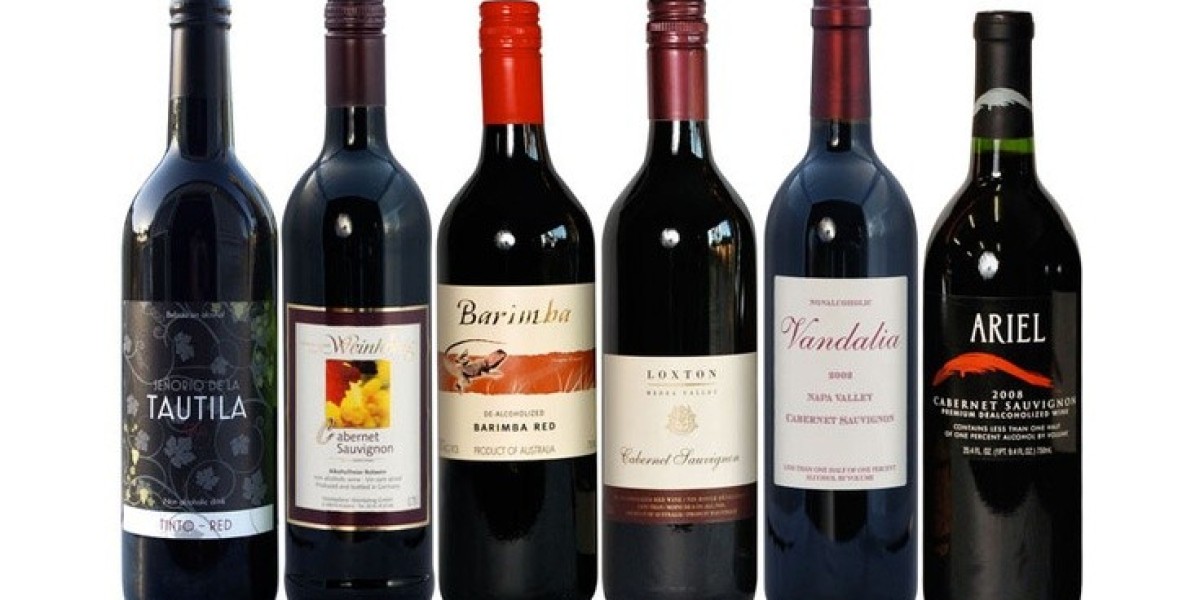

Non-alcoholic wines have rapidly become one of the most exciting trends in the global beverage market. With more people prioritizing wellness, clarity, and mindful drinking, these sophisticated alcohol-free alternatives offer a way to enjoy the flavor and experience of wine without the effects of alcohol. Whether you're health-conscious, pregnant, a designated driver, or simply choosing a sober lifestyle, non-alcoholic wines provide a refreshing solution that blends taste, elegance, and balance. This detailed guide explores how these beverages are made, their benefits, flavor profiles, and why they continue to gain popularity worldwide.
What Are Non-Alcoholic Wines?
Non-alcoholic wines are crafted from traditional wine but undergo a special dealcoholization process to remove alcohol while keeping the aroma, texture, and complexity intact. Unlike grape juice, these wines go through fermentation, aging, and refinement—meaning they retain true wine character. This is why many people describe non-alcoholic wines as authentic tasting compared to sugary alternatives. The final product usually contains less than 0.5% alcohol, making it safe for most people who avoid alcohol.
How Non-Alcoholic Wines Are Made
The production process is quite detailed and combines winemaking artistry with modern technology. It typically follows these stages:
1. Traditional Fermentation
The grapes are harvested, crushed, and fermented just like regular wine. This ensures natural tannins, acidity, and body develop properly.
2. Dealcoholization
The alcohol is removed using one of three techniques:
Vacuum distillation – Alcohol evaporates at low temperatures to protect the wine's flavor.
Reverse osmosis – A gentle filtration method that preserves aroma molecules.
Spinning cone technology – A premium technique used by high-end wineries for superior taste.
3. Flavor Rebuilding
After the alcohol is extracted, winemakers refine the product by adjusting tannins, sweetness, and aromas to restore complexity.
4. Bottling
The final beverage is bottled like any premium wine but labeled as alcohol-free.
This process ensures non-alcoholic wines maintain depth and structure compared to regular grape juice or sparkling juices.
Types of Non-Alcoholic Wines
Just like traditional wine, varieties exist for every palate.
1. Non-Alcoholic Red Wines
These offer robust flavors like black cherry, oak, spices, and berries. Popular options include Cabernet Sauvignon, Merlot, and Pinot Noir.
2. Non-Alcoholic White Wines
Refreshing, crisp, and aromatic, these include Chardonnay, Sauvignon Blanc, and Riesling. Perfect for summer or light meals.
3. Non-Alcoholic Rosé Wines
Rosé is a favorite for its fruity profile and soft finish. Alcohol-free rosé has quickly become a top seller.
4. Non-Alcoholic Sparkling Wines
Ideal for celebrations, sparkling varieties offer bubbles and brightness similar to Champagne or Prosecco.
These categories ensure that lovers of all wine styles can find non-alcoholic wines that suit their taste.
Health Benefits of Non-Alcoholic Wines
One reason for the rising demand is the strong health appeal.
Fewer Calories
Since alcohol carries calories, removing it significantly reduces overall content. This makes these beverages ideal for weight-conscious individuals.
Heart-Healthy Antioxidants
Non-alcoholic wines retain polyphenols such as resveratrol, known for supporting heart health.
No Hangovers or Side Effects
You can enjoy wine-like flavor with complete mental clarity the next day—no headaches, dehydration, or dizziness.
Suitable for Many Lifestyle Choices
These wines suit:
Pregnant women
People on medication
Athletes
Drivers
Those practicing sobriety
This makes non-alcoholic wines an inclusive choice for all kinds of social events.
Why Non-Alcoholic Wines Are Becoming Popular
The shift toward mindful drinking is global. Younger generations, especially Gen Z and Millennials, prefer socializing without the negative effects of alcohol. Restaurants, bars, and retailers have started expanding their zero-alcohol sections because demand keeps rising each year.
In addition, the wellness industry has influenced consumers to prioritize health, mental performance, and long-term fitness—something that pairs perfectly with alcohol-free beverages.
How to Choose the Best Non-Alcoholic Wine
Here are some expert tips to help you pick a great bottle:
Check the Winemaking Method
Look for brands that use reverse osmosis or spinning cone technology for superior flavor.
Read Reviews and Ratings
Customer feedback helps you identify trustworthy producers.
Choose Based on Your Taste
Prefer bold flavors? Go for a dealcoholized red.
Love crisp notes? Try a white or sparkling.
Consider Pairings
Different foods pair better with specific non-alcoholic wines, just like traditional wine.
Best Food Pairings
Red Non-Alcoholic Wine: Steak, pasta, grilled vegetables
White Non-Alcoholic Wine: Seafood, salads, creamy dishes
Rosé Non-Alcoholic Wine: Pizza, poultry, appetizers
Sparkling Non-Alcoholic Wine: Desserts, cheese boards, celebrations
The Future of Non-Alcoholic Wines
With wellness trends rising, experts predict rapid growth in the alcohol-free wine market. New flavors, better production technology, and premium brands entering the industry mean that quality will only improve from here. In a world where people want healthier choices without sacrificing pleasure, non-alcoholic wines are set to become a staple.
Conclusion
Non-alcoholic wines offer a perfect balance of flavor, celebration, and wellness. From their authentic taste to their health benefits and inclusivity, these drinks are transforming how people enjoy wine. Whether you're hosting a party, dining out, or simply relaxing at home, these alcohol-free options give you all the enjoyment with none of the drawbacks. As demand continues to grow, the variety and quality of non-alcoholic wines will only get better—making them an irresistible choice for modern, health-focused lifestyles.