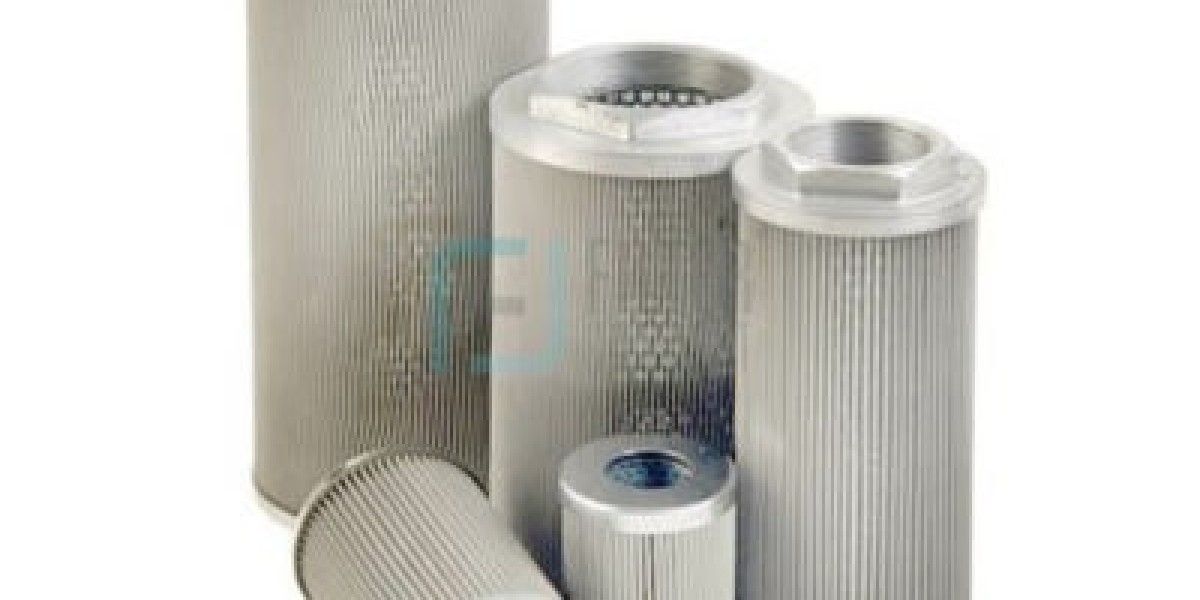

In every automotive or industrial engine, countless components work together to ensure smooth and efficient performance. Among these, the lube oil filter stands out as one of the smallest yet most vital parts. While it may not look complex, the role it plays in maintaining engine health and preventing premature wear is unmatched. In this blog, we will dive deep into what a lube oil filter is, how it works, why it is essential, the different types available, and how to choose the right one for your machinery or vehicle.
What Is a Lube Oil Filter?
A lube oil filter is a filtration device used in engines to remove contaminants, dirt, metal particles, and sludge from the engine oil. As the engine runs, oil circulates throughout the system to lubricate moving parts, reduce friction, maintain temperature, and ensure efficient functioning. However, without proper filtration, oil can become saturated with impurities that compromise performance.
The lube oil filter ensures clean oil continuously flows within the engine, prolonging its life and minimizing the chances of breakdowns or expensive repairs.
Why Is a Lube Oil Filter Important?
1. Protects Engine Components
Engine oil acts as a protective layer between moving parts. When impurities enter this oil, they can scratch, corrode, or damage delicate components such as pistons, bearings, and cylinders. A good-quality lube oil filter traps these contaminants before they cause harm.
2. Enhances Engine Efficiency
Clean oil reduces friction and heat buildup. When the oil is free of debris, the engine runs more smoothly, consumes less fuel, and performs at optimal levels.
3. Prolongs Engine Life
Contaminated oil accelerates wear and tear on engine parts. Regularly changing the lube oil filter significantly extends the lifespan of your engine by ensuring that the lubrication system remains clean and effective.
4. Prevents Costly Repairs
Engine failures are often linked to poor lubrication caused by clogged or ineffective oil filters. A small investment in a good lube oil filter can help you avoid major mechanical issues.
5. Improves Oil Quality and Longevity
Oil degrades over time, especially when contaminated. By keeping the oil clean, the filter helps maintain oil quality for a longer duration, reducing the frequency of oil changes.
How Does a Lube Oil Filter Work?
A lube oil filter typically works in a simple but effective manner:
Oil enters through small holes in the filter canister.
The oil passes through the filter media, which is usually made of cellulose, synthetic fibers, or micro glass. This media traps impurities.
Clean oil exits the filter through the central tube and re-enters the engine’s lubrication system.
A bypass valve ensures oil flow even if the filter becomes clogged.
An anti-drain back valve prevents oil from draining back into the sump when the engine is turned off.
These mechanisms ensure that the engine always receives clean oil, even under challenging conditions.
Types of Lube Oil Filters
Lube oil filters are available in several designs depending on the machinery, oil type, and required filtration level. Here are the most common types:
1. Full-Flow Oil Filter
This type of filter allows all the engine oil to pass through it before reaching critical components. It is the most widely used type because it ensures constant filtration, even at high flow rates.
2. Bypass Oil Filter
Bypass filters clean a small portion of oil at a time, offering finer filtration than full-flow systems. They help remove microscopic particles and extend oil life.
3. Cartridge Oil Filter
Cartridge filters feature a removable inner element that can be replaced without changing the outer housing. They are eco-friendly and cost-effective.
4. Spin-On Oil Filter
Spin-on filters come as a single unit containing both filter media and housing. They are easy to install and widely used in automotive engines.
5. Magnetic Oil Filter
These filters use magnets to attract metallic particles from the oil. They are often used alongside conventional filters for enhanced protection.
Industries That Use Lube Oil Filters
Lube oil filters are essential across a wide range of industries:
1. Automotive Industry
Cars, trucks, motorcycles, and buses all rely on oil filters to maintain engine performance.
2. Marine Industry
Ships and boats use heavy-duty filters to safeguard engines that operate under harsh marine conditions.
3. Industrial Manufacturing
Machinery such as compressors, turbines, and hydraulic systems require lube oil filters for smooth operation.
4. Agriculture
Tractors and farming equipment depend on clean oil to perform efficiently during demanding tasks.
5. Construction
Heavy machinery like excavators, loaders, and cranes rely heavily on robust lubrication systems.
Common Problems Caused by a Faulty Lube Oil Filter
Even the highest-quality engines can suffer damage if the oil filter is not functioning properly. Some common problems include:
1. Low Oil Pressure
A clogged filter restricts oil flow, causing pressure to drop and affecting engine lubrication.
2. Overheating
Poor oil circulation results in excessive friction and heat buildup.
3. Decreased Fuel Efficiency
If the engine has to work harder due to poor lubrication, fuel consumption increases.
4. Engine Noise
Unusual knocking or tapping noises may indicate insufficient lubrication caused by a blocked filter.
5. Increased Emissions
Contaminated oil can lead to incomplete combustion, producing more harmful emissions.
How to Choose the Right Lube Oil Filter
Selecting the right lube oil filter can make a huge difference in engine performance. Here’s what to consider:
1. Compatibility
Ensure the filter fits your engine model. Refer to the manufacturer’s manual for specifications.
2. Filtration Efficiency
Look for filters with high dirt-holding capacity and fine filtration media.
3. Construction Quality
Choose filters made from durable materials to withstand high temperatures and pressure.
4. Flow Rate
The filter should allow sufficient oil flow to meet engine demands.
5. Brand Reputation
Well-known brands often offer reliable and long-lasting filter performance.
Signs Your Lube Oil Filter Needs Replacement
Regular inspection and timely replacement are essential. Watch out for:
Reduced engine performance
Frequent overheating
Low oil pressure light
Dirty exhaust smoke
Metallic noise from the engine
If you notice any of these symptoms, your filter may be clogged or nearing the end of its lifespan.
How Often Should You Replace a Lube Oil Filter?
Most automotive experts recommend replacing the oil filter during every oil change, typically between 5,000 to 10,000 km depending on the engine and oil quality. Heavy-duty industrial machines may require more frequent replacements due to higher workloads and contamination exposure.
Regular maintenance is the key to maximizing engine performance, reducing breakdowns, and saving money in the long run.
Conclusion
A lube oil filter may be small, but its impact on engine health is enormous. It plays a crucial role in keeping the lubrication system clean, reducing wear and tear, minimizing repair costs, and ensuring long-lasting engine performance. Whether you own a car, manage industrial machinery, or operate agricultural equipment, investing in the right lube oil filter and maintaining it regularly is essential.