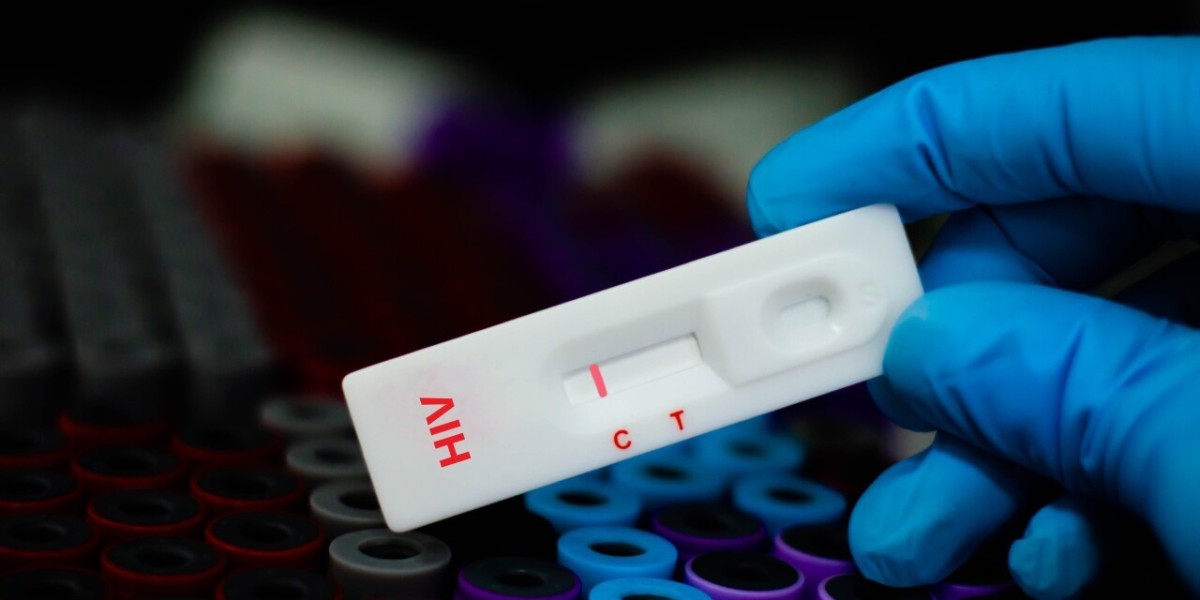

The field of HIV screening has changed significantly over the past few decades. What was once a complex and time-consuming diagnostic process has become faster, more accurate, and more accessible through advanced medical technology. Today, an HIV blood test provides healthcare professionals with powerful tools to detect Human Immunodeficiency Virus (HIV) earlier and support better treatment outcomes.
The latest advances in HIV Blood Test in Dubai focus on improving early detection, reducing testing delays, increasing accuracy, and making testing more convenient for individuals worldwide. These developments are helping healthcare systems identify infections sooner and connect patients with life-changing treatment at the right time.
As HIV research continues to progress, innovations in diagnostic methods, laboratory technology, and preventive healthcare are reshaping the future of HIV detection.
The Evolution of HIV Blood Testing:
HIV testing has progressed through several generations of scientific advancement.
Early HIV tests primarily detected antibodies produced by the immune system after infection. While effective, these tests required more time before infection could be identified.
Modern HIV screening methods now detect infection much earlier by identifying additional markers, including HIV antigens and viral genetic material.
The evolution of HIV blood testing includes:
First-generation antibody tests
Improved antibody detection methods
Fourth-generation antigen and antibody tests
Nucleic acid testing (NAT)
Advanced rapid diagnostic technologies
Each improvement has contributed to faster diagnosis and better patient care.
Fourth-Generation HIV Tests: A Major Breakthrough
One of the most important advances in HIV screening is the development of fourth-generation HIV tests.
Unlike older antibody-only tests, fourth-generation antigen and antibody combination tests detect both:
HIV antibodies produced by the immune system
The p24 antigen released by the virus during early infection
This dual detection approach allows healthcare providers to identify HIV sooner than many traditional testing methods.
Earlier diagnosis means:
Faster access to antiretroviral therapy
Reduced risk of immune system damage
Better long-term health outcomes
Lower chances of HIV transmission
Fourth-generation testing has become a widely preferred method in many healthcare settings because of its balance between speed and accuracy.
Nucleic Acid Testing: Detecting HIV at the Earliest Stage
Nucleic acid testing (NAT) represents another major advancement in HIV diagnosis.
Instead of detecting the body's immune response, NAT identifies HIV RNA directly in the bloodstream.
This technology can detect infection earlier than antibody-based methods and is particularly valuable in situations involving:
Recent high-risk exposure
Early suspected infection
Confirmation of complex test results
Although NAT is more specialized and may not be used for routine screening in every situation, it provides healthcare professionals with an important diagnostic option when early detection is critical.
Faster HIV Screening Through Rapid Testing Technology:
Modern healthcare has placed greater emphasis on making HIV testing faster and more accessible.
Rapid HIV tests allow individuals to receive preliminary results within a short period, often during the same healthcare visit.
Advantages of rapid HIV screening include:
Immediate access to results
Reduced waiting time
Increased testing participation
Faster connection to medical care
Rapid testing is especially valuable in communities where access to traditional laboratory services may be limited.
Digital Healthcare and Improved HIV Testing Access:
Technology is also improving how people access HIV screening services.
Digital healthcare solutions are helping individuals:
Find nearby testing locations
Schedule healthcare appointments
Receive testing reminders
Access educational resources
Connect with medical professionals
These innovations support preventive healthcare by making HIV blood testing easier and more convenient.
Greater accessibility encourages more people to know their HIV status and seek medical support when needed.
Artificial Intelligence and the Future of HIV Diagnostics:
Artificial intelligence (AI) is becoming increasingly important in healthcare research and diagnostic improvement.
AI-based systems may assist healthcare professionals by:
Improving laboratory analysis
Identifying testing patterns
Supporting clinical decision-making
Managing healthcare data more efficiently
While laboratory testing remains the foundation of HIV diagnosis, artificial intelligence has the potential to enhance accuracy and efficiency in future healthcare systems.
Improved Laboratory Accuracy and Quality Control:
Advances in laboratory technology have significantly improved HIV test reliability.
Modern diagnostic laboratories use:
Automated testing systems
Advanced detection equipment
Strict quality control procedures
Improved sample analysis methods
These improvements reduce testing errors and provide healthcare professionals with more dependable results.
Accurate HIV screening is essential because early diagnosis directly influences treatment decisions and patient outcomes.
The Role of Home-Based HIV Testing:
Home-based HIV testing has become an important development in expanding access to screening.
Many individuals prefer private testing options because they offer:
Greater convenience
Increased privacy
Reduced barriers to healthcare access
Home testing options vary by region and may include self-testing kits or sample collection methods reviewed by laboratories.
Healthcare experts emphasize that individuals receiving positive screening results should seek confirmatory testing and medical guidance.
How New HIV Screening Methods Improve Patient Outcomes?
The purpose of advanced HIV testing technology is not only to detect infection but also to improve overall healthcare outcomes.
Earlier and more accurate diagnosis allows individuals to:
Begin Treatment Sooner:
Starting antiretroviral therapy (ART) early helps control HIV and protect immune function.
Maintain Better Immune Health:
Early treatment supports healthier CD4 cell levels and reduces complications.
Reduce Transmission Risk:
Effective HIV treatment lowers viral load and significantly decreases the likelihood of transmission.
Improve Quality of Life:
People diagnosed early and receiving consistent medical care can often maintain active and healthy lives.
The Importance of Understanding the HIV Window Period:
Despite advances in testing technology, understanding the HIV window period remains essential.
The window period refers to the time between HIV exposure and when a test can accurately detect infection.
Different testing methods have different detection abilities:
NAT can detect HIV earliest.
Fourth-generation tests identify infection through antigen and antibody detection.
Antibody tests require additional time before producing reliable results.
Healthcare providers consider exposure timing when selecting the most suitable HIV blood test.
Future Directions in HIV Screening Research:
Researchers continue exploring new ways to improve HIV detection.
Future developments may include:
More sensitive diagnostic tools
Faster laboratory processing
Expanded self-testing options
Improved global access to screening
Personalized healthcare approaches
The goal of future HIV screening technology is to make accurate diagnosis available to more people while reducing delays between testing and treatment.
Common Questions About Advanced HIV Testing:
Are New HIV Blood Tests More Accurate Than Older Tests?
Yes. Modern HIV screening technologies detect infection earlier and provide improved accuracy compared with older testing methods.
Can Advanced HIV Tests Detect Recent Infection?
Some advanced tests, especially nucleic acid tests and fourth-generation tests, can identify HIV earlier than traditional antibody-only methods.
Are Rapid HIV Tests Reliable?
Rapid HIV tests are reliable screening tools when used correctly, but positive results require confirmatory laboratory testing.
Will Technology Replace Healthcare Professionals in HIV Diagnosis?
Technology improves HIV screening, but healthcare professionals remain essential for interpreting results, providing counseling, and managing treatment.
How Individuals Can Benefit From Modern HIV Screening?
The latest advances in HIV blood testing provide individuals with more options than ever before.
People can benefit by:
Choosing appropriate testing methods
Getting tested at recommended times
Understanding their results
Seeking medical care quickly when needed
Following preventive healthcare practices
Modern HIV screening empowers people with accurate information and supports healthier decisions.
Final Thoughts:
The latest advances in HIV screening have transformed the way healthcare professionals detect and manage HIV. From fourth-generation antigen and antibody tests to nucleic acid testing, rapid diagnostics, digital healthcare solutions, and emerging artificial intelligence applications, modern technology continues to improve HIV detection.
An HIV blood Lab tests is no longer just a diagnostic procedure—it is a critical tool for early intervention, disease prevention, and better health outcomes. As innovation continues, HIV screening will become even faster, more accessible, and more accurate, helping more individuals receive timely care.
Understanding these advancements allows people to make informed choices about their health. Regular HIV testing, combined with modern treatment options and professional medical guidance, remains one of the strongest approaches to controlling HIV and improving global health.