
Introduction
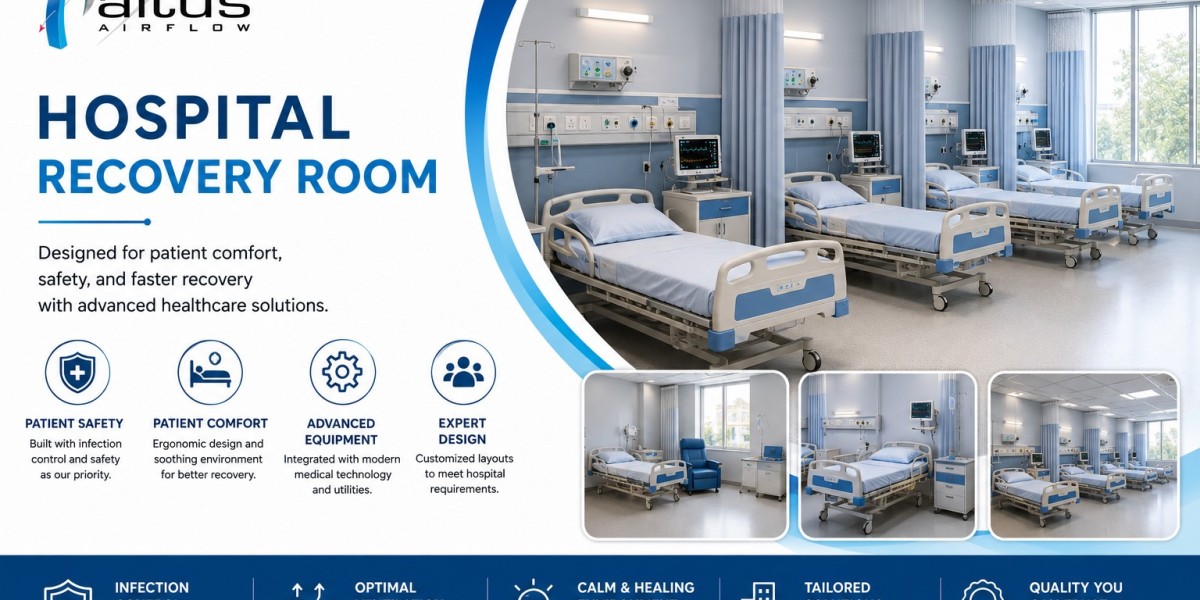
A Hospital Recovery Room is a specialized area designed to provide immediate care and observation for patients after surgery, anesthesia, or medical procedures. It includes various facilities that help healthcare professionals monitor patient conditions, manage recovery, and respond quickly to any complications. These facilities are planned to ensure patient safety, comfort, and efficient medical workflow. A properly equipped recovery room supports continuous observation, effective treatment, and a smooth transition of patients from surgery to further care.
Patient Monitoring Facilities
Continuous patient monitoring is one of the most important facilities available in a recovery room.
Hospitals use advanced monitoring systems to track vital signs such as heart rate, blood pressure, oxygen saturation, respiratory rate, ECG, and body temperature. These systems allow healthcare professionals to observe patient progress and identify any changes immediately.
Reliable monitoring facilities improve safety and support timely medical decisions.
Adjustable Patient Beds
Recovery rooms include specially designed patient beds for comfort and medical convenience.
These beds allow healthcare professionals to adjust patient positions according to treatment requirements. Features such as height adjustment, side rails, and comfortable positioning help improve patient safety during recovery.
Proper bed arrangements support both patient comfort and efficient care delivery.
Medical Equipment Facilities
A well-equipped recovery area includes essential medical devices required for post-operative care.
Hospital Recovery Room facilities commonly include patient monitors, ventilators, infusion pumps, syringe pumps, suction units, ECG machines, oxygen delivery systems, and emergency equipment.
Easy access to medical devices helps healthcare teams provide immediate support whenever needed.
Oxygen and Respiratory Support Facilities
Respiratory support is an important requirement after surgery.
Recovery rooms are equipped with oxygen outlets, oxygen masks, nasal cannulas, respiratory support devices, and ventilation equipment to assist patients who require breathing support.
These facilities help maintain proper oxygen levels and improve patient stability.
Medical Gas Infrastructure
Medical gas systems support several critical recovery procedures.
Hospitals provide oxygen pipelines, vacuum systems, compressed air outlets, medical gas panels, and alarm systems within recovery areas.
Reliable medical gas infrastructure ensures continuous availability of essential gases for patient treatment.
Emergency Response Facilities
Recovery rooms are designed to handle unexpected medical situations.
Emergency facilities include crash carts, defibrillators, resuscitation equipment, emergency medications, and airway management tools. These resources allow healthcare professionals to respond quickly during critical conditions.
Immediate access to emergency facilities improves patient protection.
Nursing Station and Monitoring Area
A dedicated nursing station helps maintain efficient patient care.
The nursing area is positioned to provide clear visibility of patients and quick access to medical equipment. Nurses use this space for documentation, communication, and continuous patient observation.
An organized nursing station improves workflow efficiency.
Infection Control Facilities
Maintaining a hygienic environment is essential in recovery areas.
Hospitals include infection control facilities such as proper ventilation systems, HEPA filtration, controlled airflow, sterilization practices, and easy-to-clean surfaces.
These measures help reduce infection risks and create a safer recovery environment.
Medication and Storage Facilities
Proper storage areas support organized patient care.
Recovery rooms include designated spaces for medicines, medical supplies, emergency items, and equipment accessories. Organized storage allows healthcare professionals to access required items quickly.
Efficient storage improves response time and workflow management.
Communication Facilities
Effective communication is important for coordinated care.
Recovery rooms include nurse call systems, communication devices, and hospital connectivity solutions that allow patients and healthcare teams to communicate efficiently.
Quick communication supports better patient management.
Patient Comfort Facilities
Recovery areas focus on creating a comfortable healing environment.
Facilities such as proper lighting, temperature control, privacy arrangements, noise reduction, and comfortable patient positioning help patients feel secure during recovery.
A comfortable environment supports better patient experience.
Electrical Safety and Backup Power Facilities
Continuous power supply is necessary for medical operations.
Recovery rooms include medical-grade electrical outlets, UPS systems, emergency lighting, grounding protection, and backup power systems to ensure essential equipment remains operational during power interruptions.
Reliable electrical facilities support uninterrupted patient care.
Conclusion
A hospital recovery area includes essential facilities such as patient monitoring systems, adjustable beds, medical equipment, oxygen support, emergency resources, infection control solutions, nursing stations, communication systems, comfort features, and reliable power infrastructure. These facilities help healthcare professionals provide safe, organized, and effective care while supporting patients during the recovery process.
FAQs
1. Which facilities are available in a Hospital Recovery Room?
A Hospital Recovery Room includes patient monitoring systems, adjustable beds, medical equipment, oxygen support, emergency facilities, nursing stations, infection control systems, medication storage, communication systems, patient comfort facilities, and backup power solutions.
2. Why are monitoring systems important in recovery rooms?
Monitoring systems help healthcare professionals track patient conditions continuously and identify any medical concerns quickly.
3. What emergency facilities are available in recovery rooms?
Recovery rooms include crash carts, defibrillators, emergency medicines, resuscitation equipment, and airway management tools for critical situations.
4. How do infection control facilities improve recovery care?
Ventilation systems, HEPA filtration, and hygienic surfaces help reduce infection risks and maintain a safer patient environment.
5. Why is patient comfort considered in recovery room facilities?
Patient comfort features such as privacy, temperature control, lighting, and proper positioning help create a supportive environment during recovery.
Read Our Previous Blog----------->What care is provided in a Patient Recovery Room?