
Introduction
In the ever-evolving world of education and training, implementing a Learning Management System (LMS) has become essential for organizations looking to streamline their learning processes, improve engagement, and track progress effectively. In this article, we will explore the key features and benefits of an LMS, as well as provide a comprehensive guide to the best software available in the market.
What is a Learning Management System (LMS)?
A Learning Management System, or LMS, is a software application used to deliver, manage, and track educational content and training programs. It provides organizations with a centralized platform to create, distribute, and monitor learning activities for their employees or students.
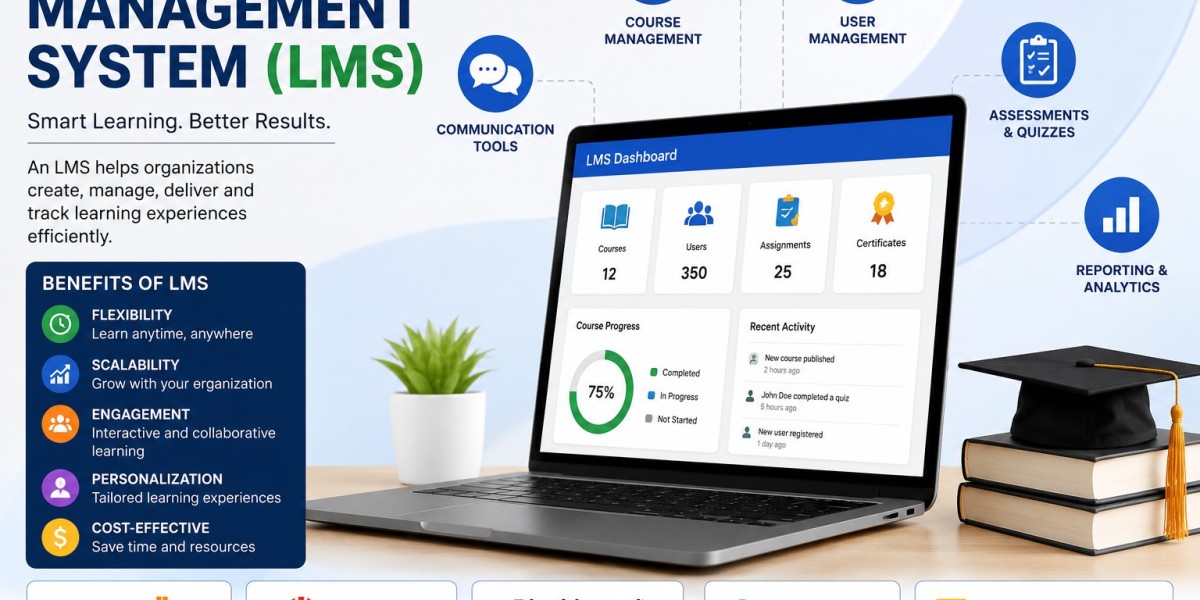
Key Features of an LMS
- Content Management: LMS allows administrators to upload and organize various types of content, including documents, videos, and quizzes.
- User Management: It enables administrators to create user profiles, assign roles, and track progress.
- Assessment and Reporting: LMS provides tools for creating quizzes, assessments, and tracking performance through detailed reports.
- Mobile Accessibility: Many LMS platforms offer mobile apps or responsive design for learning on the go.
- Integration Capabilities: LMS can integrate with other systems such as HR software, content authoring tools, and webinar platforms.
Benefits of Using an LMS
- Centralized Learning: LMS provides a centralized hub for all learning activities, making it easy for users to access and engage with content.
- Improved Accessibility: With mobile compatibility, users can access learning materials anytime, anywhere.
- Personalized Learning: LMS allows for customization of learning paths and content based on individual needs and preferences.
- Tracking and Reporting: Administrators can track user progress, completion rates, and performance metrics to measure the effectiveness of training programs.
- Cost-Effective: Implementing an LMS can reduce training costs associated with traditional classroom-based training.
Best Software Guide
When choosing an LMS for your organization, it's essential to consider factors such as scalability, ease of use, and customer support. Some of the top LMS software on the market include:
| Software | Key Features | Pricing |
|-----------------|--------------------------|-----------------|
| Moodle | Open-source, customizable| Free |
| Canvas | User-friendly interface | Paid |
| Blackboard Learn| Robust assessment tools | Paid |
| Adobe Captivate | Interactive eLearning | Paid |
Conclusion
In conclusion, implementing a Learning Management System can help organizations streamline their learning processes, improve engagement, and track progress effectively. By understanding the key features, benefits, and best software options available, businesses can make informed decisions to enhance their training programs for maximum effectiveness.