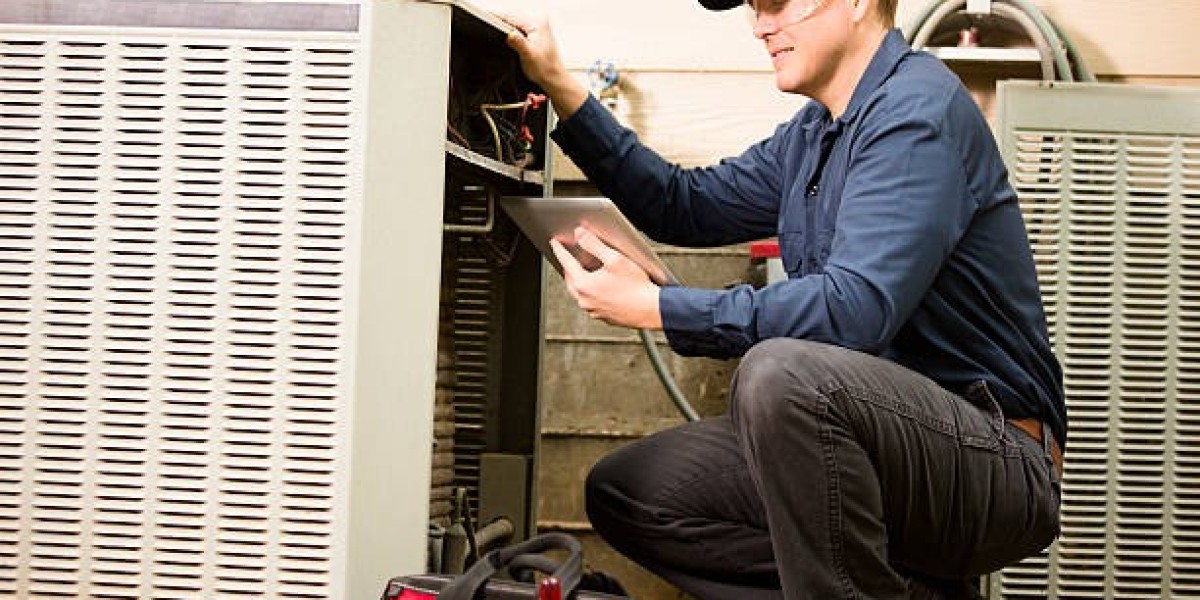

Miami heat is no joke. We're talking 90-degree days that stretch from May through October, humidity that makes stepping outside feel like walking into a warm wet towel, and AC systems that run almost around the clock just to keep things livable. So when your system dies, or you're building out a new space, getting the right setup matters a lot more here than it would in, say, Denver. If you're starting to look at your options, this guide covers what you actually need to know about HVAC Installation in Miami FL, from picking the right equipment to understanding what the whole process looks like start to finish.
Why Miami's Climate Changes Everything
Most HVAC advice you'll find online is written for four-season climates. That's not Miami. Here, cooling is basically a year-round job, and your system takes a beating it just wouldn't take in a northern state. Humidity is the real enemy. A unit that's oversized will cool the air fast but won't run long enough to pull moisture out, which leaves you with a cold, clammy house that feels gross even at 74 degrees.
Sizing matters more here than almost anywhere else. An undersized unit runs constantly, spikes your electric bill, and dies early. Too big, and you get that humidity problem. You want a contractor who actually does a Manual J load calculation for your specific space, not someone who just eyeballs it or goes by square footage alone. That calculation accounts for your ceiling height, insulation, window placement, and a handful of other factors specific to your home.
Salt air is also worth thinking about. If you're near the coast, corrosion is a real issue for outdoor condenser units. Some manufacturers make units with coated coils and corrosion-resistant cabinets specifically for coastal climates. Worth asking about.
What Type of System Makes Sense Here
Most Miami homes run on central split systems. That's the standard setup with an indoor air handler and an outdoor condenser connected by refrigerant lines. They work well, they're well-supported locally, and parts are easy to find. But there are a few other options worth knowing about.
Ductless mini-splits have gotten really popular over the last several years, especially for older homes that weren't built with duct work, additions, or converted garages. No ducts means no duct losses, and in a climate where your ducts run through a hot attic, that matters. You can also zone different rooms independently, which is great if you've got a home office that runs hot or a bedroom that needs to be cooler than the rest of the house.
Heat pumps are worth mentioning too. In Miami, you don't need a gas furnace. A heat pump handles both cooling and the mild heating you need in January and February without burning any gas at all. Most modern heat pumps are efficient enough that they make a lot of sense for South Florida homes specifically. According to the U.S. Department of Energy's guide on heat pump systems, they can move heat rather than generate it, making them far more efficient in moderate climates like Miami's.
What the Installation Process Actually Looks Like
First visit is usually an assessment. A good contractor comes out, looks at your space, checks existing duct work if you have it, and figures out what size and type of system fits. Don't skip this step. Any company willing to quote you over the phone without seeing the house is cutting corners somewhere.
After that, you'll get a proposal. It should spell out the equipment brand and model, the warranty, what's included in the install, and a timeline. Read it. Ask questions if something's unclear. Installation day usually runs four to eight hours for a standard split system replacement, longer for a new construction or ductless multi-zone setup.
Permits are required in Miami-Dade County. Your contractor pulls them. If they tell you permits aren't necessary or suggest skipping them to save money, that's a red flag. Permitted work gets inspected, and that inspection protects you if you ever sell the home or file an insurance claim.
How to Pick a Contractor Without Getting Burned
Local HVAC Installation in Miami FL is a pretty competitive market, which is good for you as a buyer. You've got options. But it also means there are plenty of companies willing to cut corners on equipment quality, installation shortcuts, or both. Here's what to look for.
Florida state license. HVAC contractors need a Class A or Class B CAC license. You can verify this on the Florida DBPR website.
Liability insurance and workers' comp. If someone gets hurt on your property and the contractor isn't covered, that becomes your problem.
Manufacturer certifications. Carriers, Lennox, Trane, and others train and certify dealers. Certified dealers usually get better warranty terms, which pass to you.
Real reviews. Not just star ratings. Read a few actual written reviews and look for patterns, especially around follow-up service and how they handle problems.
Written quotes with model numbers. Vague quotes that just say "3-ton unit" without specifying a brand or model are a setup for bait-and-switch.
If you want a contractor with real local knowledge of South Florida conditions, Corbin HVAC is one option people in the Miami area use for this kind of work. Worth getting a quote and seeing how they handle the assessment process before you commit.
What It's Going to Cost
Honest answer: it depends. A straight replacement of an existing split system in a typical Miami home runs somewhere between $4,500 and $9,000 depending on the size of the unit, the brand, and what condition your existing duct work is in. Ductless mini-splits cost more upfront, usually $3,000 to $5,000 per zone installed. New construction with all-new duct work runs higher still.
Don't just chase the lowest quote. A cheap install with a low-efficiency unit will cost you more over time in electric bills alone. Miami electric rates aren't cheap, and an older SEER-rated system versus a modern high-efficiency unit can mean a real difference in your monthly bill. Get at least two or three quotes and compare them on equal terms, same size, same efficiency rating, same warranty.
Local HVAC Installation in Miami FL also comes with some financing options through most larger contractors. Manufacturers like Carrier and Trane have financing programs, and some utility companies offer rebates for high-efficiency equipment. Ask about both before you sign anything.
Frequently Asked Questions
How long does a new HVAC system last in Miami?
Most systems in South Florida last 12 to 15 years, sometimes less if they're undersized or poorly maintained. The heat and humidity here are harder on equipment than most other climates. Regular maintenance, like cleaning coils and changing filters, goes a long way toward getting the full life out of a system.
Do I need a permit for HVAC installation in Miami-Dade County?
Yes. Miami-Dade County requires permits for HVAC installations and replacements. Your licensed contractor handles the permit pull. Don't let anyone talk you out of pulling permits. It protects you legally and for resale purposes.
What SEER rating should I look for in Miami?
Florida now requires a minimum of 15 SEER2 for new systems. But honestly, going higher makes sense here because your system runs so much. A 18 or 20 SEER unit costs more upfront but pays back over time in lower electric bills. Worth doing the math on your specific usage before you decide.
How do I know if my existing duct work is okay to reuse?
A good contractor will inspect it during the assessment. Common problems in older Miami homes include leaky duct connections, inadequate insulation in the attic, and ducts that are just the wrong size for a new system. Replacing duct work adds cost but can make a real difference in how well the new system performs.
Is a heat pump a good choice for Miami?
For most Miami homes, yes. You don't need gas heat here, and a heat pump handles both cooling and the occasional cool night without a separate furnace. Modern inverter-driven heat pumps are quiet, efficient, and well-suited to South Florida's climate. HVAC Installation in Miami FL with a heat pump is a pretty common choice for new builds and full replacements right now.