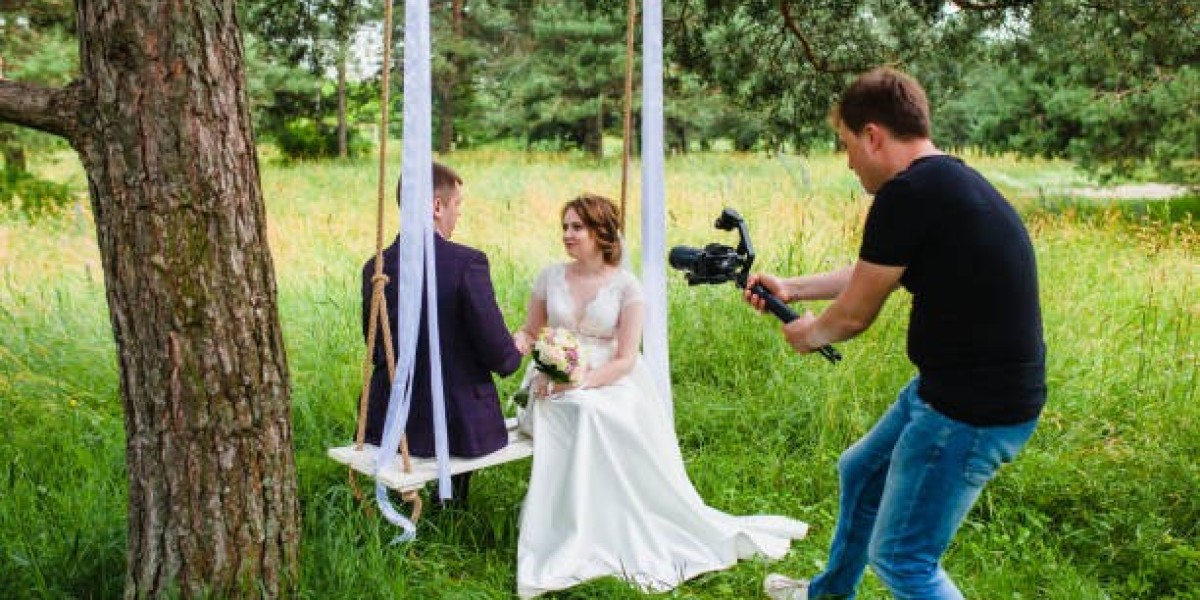

Choosing a wedding videographer is already a lot. Then you see packages labeled "cinematic" and "documentary" and suddenly you're more confused than before. What does cinematic actually mean? Is documentary just a guy following you around with a camera? These aren't just marketing labels. They describe genuinely different approaches to shooting, editing, and telling the story of your wedding day. If you're planning a wedding in the White Mountains area, getting familiar with these styles before you reach out to anyone will save you a lot of back-and-forth. Couples booking Wedding Videography in North Conway, NH often ask exactly this question, so let's break it down clearly.
What Cinematic Wedding Videography Actually Looks Like
Think of a movie trailer for a love story. That's the feeling cinematic videography chases. It's heavily edited, music-driven, and built around visual storytelling rather than a straight record of events. The editor picks the best moments, cuts them to the beat of a carefully chosen song, and layers in color grading to give the footage a warm, filmic look. You're not watching the ceremony from start to finish. You're watching a curated highlight that hits all the emotional peaks.
Cinematic videos usually run three to eight minutes for a highlight film. Some packages include a longer "feature film" cut too, but the highlight reel is the main product most couples share on social media or send to family. The pacing is intentional. Slow motion shots of dress details, a close-up of hands during the ring exchange, a wide landscape shot of the venue. Every clip earns its place.
The editing alone can take twenty to forty hours for a single video. That's why cinematic packages tend to cost more. You're not just paying for a day of shooting. You're paying for a lot of post-production craft.
What Documentary Wedding Videography Actually Looks Like
Documentary style does something different. It's less about the finished film and more about capturing what actually happened, in real time, with real audio. Think of it like a well-shot home video made by someone who actually knows how to use a camera. You'll hear the officiant's words, the vows as they were spoken, your dad's toast, your flower girl whispering something to herself during the processional. All of it stays in.
The structure is usually chronological. Getting ready, ceremony, cocktail hour, reception, send-off. It runs longer, often thirty minutes to an hour or more. The goal isn't a polished emotional highlight. The goal is a thorough record that lets you relive the full day years from now. Honestly, some couples cry harder watching documentary footage because it feels so real and unfiltered.
Natural audio is the backbone of this style. Documentary filmmaking in general has always prioritized authentic sound, and wedding documentary work follows that same tradition. A good documentary videographer will mic the groom, record ambient room audio, and make sure the speeches are captured cleanly.
How the Two Styles Differ on the Actual Wedding Day
Here's where it gets practical. Cinematic videographers often work with a second shooter or a dedicated drone operator. They're looking for angles, light, and composed shots. They might ask you to walk down a path again so they can get a better angle with the mountains behind you. That kind of directed moment is totally normal in cinematic work. You'll be mildly involved in the process.
Documentary crews tend to stay out of your way. One or two cameras. They're watching, not directing. The footage reflects what actually unfolded rather than what looked best on camera. Some couples love that. Others want a few of those gorgeous posed moments, and that's completely valid too.
Camera movement differs a lot between the two styles. Cinematic work often uses gimbals, sliders, and drones to get smooth, sweeping shots. Documentary work leans toward handheld or static camera setups that blend into the background. Neither is better. They're just built for different goals.
Which Style Fits Your Personality
Ask yourself a few honest questions. Do you care more about having a beautiful film to show people, or a thorough record for yourselves? Are you the kind of couple who loves aesthetics and visual details, or are you more focused on the emotional moments like speeches and vows? Sound familiar? Most couples actually land somewhere between the two.
If you're big on the visual experience of your wedding, the venue, the flowers, the lighting, cinematic is probably your style. If your uncle is giving a speech that's going to wreck everyone in the room, you want documentary coverage to capture every word of it. These aren't mutually exclusive priorities, which is why hybrid packages exist.
Couples who are camera-shy sometimes prefer documentary because there's less direction involved. You just live your day and the videographer captures it. Couples who are comfortable on camera and want something polished for social media usually lean cinematic. Neither preference is wrong. It's just about knowing yourself.
Hybrid Packages and What to Ask Before You Book
Most working videographers today offer some version of a hybrid. You get a cinematic highlight film and a full-length documentary edit. Both. That's the sweet spot for a lot of couples who don't want to choose. Granite Stag Photo and Video is one option in the White Mountains area that handles both styles, which is worth knowing if you're comparing local vendors.
Before you book anyone, ask these specific questions. Don't skip this part.
Can I see a full-length video, not just a highlight reel?
How do you handle audio, and do you use a wireless mic on the groom?
Will you direct us at any point during the day, or do you prefer to observe?
How many cameras will be on site, and do you use a drone?
What's your turnaround time, and what does the revision process look like?
The answers will tell you a lot about whether this person shoots the way you actually want your day captured. Watch their sample videos with the sound on too, not just the visuals. Audio quality is easy to overlook in a showreel but it matters a huge amount in the final product.
Wedding Videography in North Conway, NH draws couples who are planning mountain weddings, barn receptions, and outdoor ceremonies where the scenery is half the reason they picked the location. That context matters when you're deciding on style. A cinematic approach can really show off the White Mountains in a way that documentary footage sometimes can't, but documentary footage will catch the moment your grandmother laughed at something nobody else heard. Both things are worth having.
Frequently Asked Questions
Is cinematic wedding videography more expensive than documentary?
Usually, yes. Cinematic editing is time-intensive and often involves more gear like drones and gimbals. Documentary work has its own costs, especially if a second camera operator is involved, but the post-production time is generally shorter. Always ask for an itemized breakdown so you know what you're actually paying for.
Can I request a specific song for my cinematic highlight film?
Sometimes. Lots of videographers have music licensing through services like Musicbed or Artlist, and they'll work within that library to find something that fits your vibe. Requesting a specific popular song can cause licensing issues, so ask about this early. Don't assume your favorite track is available.
How long will my wedding video be?
Depends entirely on the style and package. Cinematic highlights run three to eight minutes on average. Full documentary edits can run thirty minutes to over an hour. Hybrid packages usually include both. Ask for specifics before you sign anything.
Do I need to do anything differently on my wedding day depending on the style?
A little. For cinematic work, be ready for a few directed moments, especially during golden hour or portraits. For documentary, you mostly just need to be present and let the videographer do their thing. Either way, wearing a lapel mic for part of the day is pretty common and barely noticeable once it's clipped on.
What if I want both styles but my budget is tight?
Talk to your videographer honestly about budget. Some will prioritize a cinematic highlight and offer a raw or lightly edited full-length cut as an add-on at lower cost. Others might do the opposite. There's usually room to build a package that gets you close to what you want without going over what you can actually spend.
The best wedding video is the one that still makes you feel something ten years from now. Figure out what that looks like for you two, then find someone who shoots that way.