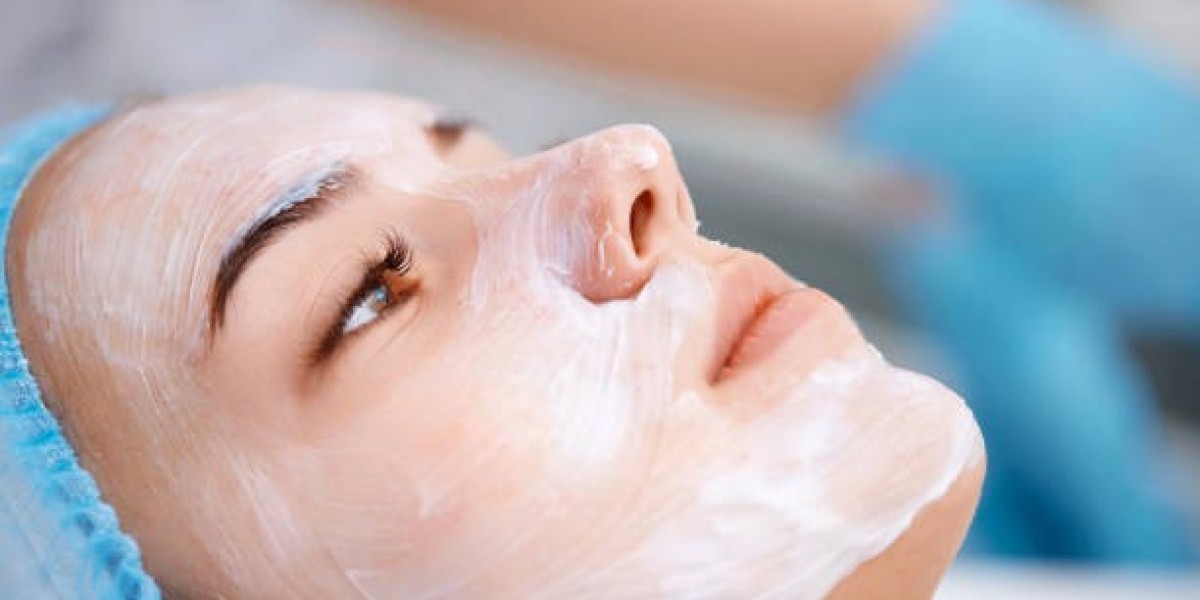

Skin cell turnover is the natural process through which older skin cells are shed from the surface and replaced by newer cells. This process helps maintain a smooth and healthy-looking complexion, but it can become slower or less efficient with age and environmental stress. Glycolic acid is an alpha hydroxy acid (AHA) that supports this process primarily by exfoliating the outer layer of the skin. glycolic acid skin care may help improve the appearance of dullness, rough texture, uneven tone, and superficial pigmentation by encouraging the shedding of accumulated surface cells.
What Is Skin Cell Turnover?
Skin cell turnover describes the continuous cycle of skin cells developing, moving toward the surface, and eventually being shed. When this process works efficiently, the complexion can appear smoother and more refreshed.
The Natural Renewal Process
Newer cells gradually move toward the outer surface while older cells are naturally removed. This cycle happens continuously without conscious effort.
Why Turnover Can Change
Age, sun exposure, dryness, environmental factors, and individual skin characteristics can influence how quickly surface cells are replaced and shed.
How Does Glycolic Acid Influence Cell Turnover?
Glycolic acid primarily supports visible skin renewal by loosening the bonds between dead cells on the skin's surface. This controlled exfoliation helps older cells shed more efficiently.
Loosening Surface Cells
Glycolic acid works on the connections between dead skin cells, helping reduce the buildup that can make the complexion look dull and rough.
Encouraging Surface Shedding
Once the bonds between accumulated cells are weakened, they can be shed more easily as part of the skin's natural renewal process.
Why Exfoliation Matters for Skin Renewal
When dead cells accumulate on the skin's surface, they can interfere with the appearance of natural radiance and smoothness. Removing excess buildup can make the complexion look fresher.
Reducing Dullness
A layer of accumulated dead cells can make skin appear tired or lackluster. Glycolic acid can help reduce this surface dullness.
Improving Skin Texture
As older surface cells are removed, rough areas may appear smoother and more refined.
Glycolic Acid and a Brighter Complexion
A smoother surface can reflect light more evenly, helping the skin appear brighter. This is one reason glycolic acid is commonly used in professional exfoliation treatments.
Revealing Fresher-Looking Skin
The removal of older surface cells allows newer-looking skin to become more visible, which can improve the appearance of overall radiance.
Supporting an Even-Looking Tone
Glycolic acid may also help improve superficial uneven pigmentation by encouraging the shedding of surface cells containing excess pigment.
Glycolic Acid for Uneven Skin Texture
Uneven texture can result from dead skin cell buildup, dryness, congestion, or previous acne. Controlled exfoliation may help refine the skin's surface.
Smoothing Rough Areas
Glycolic acid can help loosen accumulated cells that contribute to roughness, allowing the skin to feel smoother after recovery.
Improving Surface Refinement
With appropriate treatment, the complexion may look more polished and even. Deeper scars and significant textural changes may require other treatments.
Glycolic Acid for Post-Acne Marks
Dark marks can remain after acne has healed. Glycolic acid may help improve the appearance of superficial post-acne discoloration through controlled exfoliation.
Shedding Pigmented Surface Cells
As older surface cells are removed, superficial marks may gradually become less noticeable.
Understanding the Limitations
Glycolic acid mainly works on the surface. Persistent or deeper pigmentation may require a different treatment approach following professional assessment.
Does Glycolic Acid Increase Collagen?
Glycolic acid is primarily an exfoliating ingredient. Professional chemical exfoliation can improve the appearance of texture and fine lines, but it should not be considered equivalent to treatments specifically designed to stimulate deeper collagen remodeling.
Improving the Appearance of Fine Lines
Smoother texture and better surface hydration can make some fine lines appear less noticeable.
Supporting a Refreshed Appearance
Removing dull surface cells can make the complexion look more youthful and radiant without directly correcting deeper wrinkles or skin laxity.
How Professionals Customize the Treatment
Glycolic acid peels can differ in concentration, formulation, pH, and application time. Professionals consider these factors when determining how intensive the treatment should be.
Choosing the Appropriate Strength
A stronger peel is not automatically better. Treatment intensity should be matched to skin type, sensitivity, previous treatment experience, and specific goals.
Considering Skin Condition
Dry, sensitive, irritated, or compromised skin may require a gentler approach or postponement of treatment until the skin barrier has recovered.
How Different Skin Types Respond
Skin type can influence how comfortably a person tolerates glycolic acid and how the treatment is planned.
Oily Skin
Glycolic acid may help reduce surface buildup associated with excess oil and clogged-looking pores.
Dry Skin
Controlled exfoliation may improve roughness, but adequate hydration is important to avoid excessive dryness.
Sensitive Skin
Sensitive skin requires careful assessment. A professional may recommend a more conservative treatment or another option if glycolic acid is unsuitable.
What Happens During a Glycolic Acid Peel?
The skin is generally cleansed before the glycolic acid formulation is applied according to a professional protocol. Mild tingling, warmth, or temporary stinging may occur.
Professional Application
The practitioner monitors the skin and follows an appropriate application protocol based on the selected formulation.
Controlled Exfoliation
The objective is to achieve controlled removal of surface cells without unnecessarily irritating the skin.
What Happens During Recovery?
Temporary redness, dryness, tightness, or mild peeling may occur following treatment. These effects depend on the treatment intensity and individual skin response.
Allow the Skin to Shed Naturally
Do not pick, scratch, or pull peeling skin. Allow the surface cells to shed naturally.
Support Skin Recovery
Gentle cleansing, appropriate moisturization, and sun protection can help support the skin barrier during recovery.
Why Sun Protection Supports Skin Renewal
UV exposure can contribute to premature skin aging, uneven pigmentation, and changes in texture. Protecting the skin from sunlight is especially important after exfoliation.
Apply Broad-Spectrum Sunscreen
Use broad-spectrum sunscreen according to your practitioner's recommendations, especially when spending time outdoors.
Limit Direct Sun Exposure
Seek shade and use protective clothing when possible to reduce unnecessary UV exposure.
How Often Can Glycolic Acid Peels Be Used?
Treatment frequency depends on skin type, treatment strength, recovery, and individual goals. There is no universal schedule that works for everyone.
Avoid Excessive Exfoliation
Too-frequent exfoliation can cause dryness, irritation, redness, and increased sensitivity. The skin needs adequate recovery between treatments.
Follow a Personalized Plan
A professional can monitor your skin's response and recommend an appropriate interval for future treatments.
Can Home Skincare Support Cell Turnover?
A consistent skincare routine can complement professional exfoliation. Gentle cleansing, hydration, sun protection, and carefully selected active ingredients can support a healthy-looking complexion.
Keep Skincare Balanced
Using too many exfoliating products can disrupt the skin barrier. Follow professional recommendations when combining home skincare with chemical peels.
Prioritize Hydration
A healthy skin barrier supports comfortable recovery and helps the complexion maintain a smoother appearance.
Book an Appointment at Royal Clinic Saudia
If you want to learn how controlled exfoliation can support smoother, brighter-looking skin, Glycolic Acid Peel in Riyadh can be discussed at Royal Clinic Saudia. A professional consultation can assess your skin and recommend a personalized treatment and aftercare plan.
FAQs:
Does glycolic acid stimulate skin cell turnover?
It supports visible renewal by loosening and removing accumulated dead surface cells.
Can glycolic acid make skin smoother?
Yes, controlled exfoliation can reduce surface buildup and improve the appearance of skin texture.
Does glycolic acid help dull skin?
It may improve radiance by removing accumulated dead cells from the skin's surface.
How often should glycolic acid peels be performed?
The appropriate interval depends on skin type, treatment strength, recovery, and individual goals.