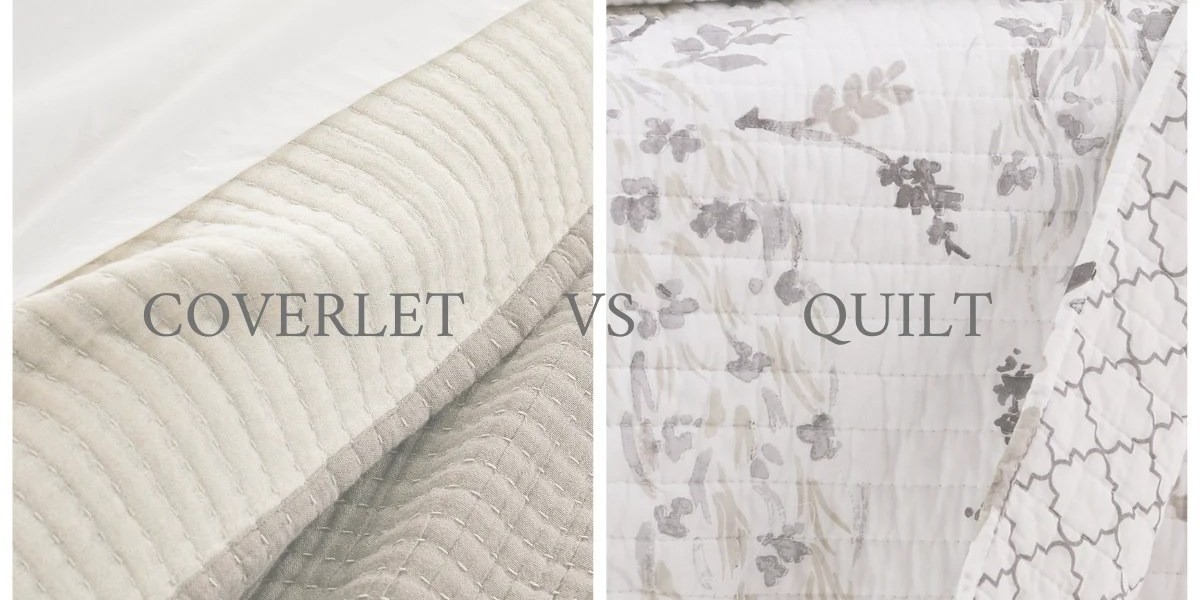

Choosing the right bedding can completely transform the comfort and appearance of your bedroom. If you've been comparing quilt vs coverlet, you're not alone. Many homeowners struggle to understand the differences because both bedding options appear similar at first glance. However, their design, thickness, purpose, and overall functionality are quite different.
Whether you're redesigning your bedroom, upgrading your bedding, or simply looking for the perfect layer for every season, understanding quilt vs coverlet will help you make a smarter purchase. The right choice can improve your sleep quality while enhancing the overall aesthetic of your space.
Understanding What a Quilt Is
A quilt is a traditional bedding layer made from three stitched-together layers:
- Decorative top fabric
- Soft batting or filling
- Backing fabric
These layers are sewn together using decorative stitching patterns, which not only create beautiful designs but also help secure the filling evenly throughout the quilt.
Quilts are generally lightweight compared to comforters, yet they provide more warmth than coverlets. They are commonly used as the main bedding layer or as an additional blanket during colder months.
Key Characteristics of Quilts
- Multiple stitched layers
- Soft insulation for moderate warmth
- Decorative patchwork or modern patterns
- Suitable for year-round use
- Available in various sizes and styles
Because quilts combine beauty and functionality, they have remained a popular bedding choice for generations.
What Is a Coverlet?
A coverlet is a lightweight decorative bed covering that usually contains little to no filling. Unlike quilts, coverlets are typically woven from a single layer of fabric, making them thinner and less insulating.
Coverlets are primarily designed to enhance bedroom décor while adding a light layer of comfort. They are often used over sheets during warm weather or layered beneath duvets during winter.
Common Features of Coverlets
- Thin and lightweight construction
- Minimal or no internal filling
- Elegant woven or textured designs
- Easy to fold and store
- Perfect for layering
Coverlets are frequently selected for their clean, sophisticated appearance rather than their ability to provide significant warmth.
Quilt vs Coverlet: Understanding the Major Differences
Although quilts and coverlets may look alike, several important differences should be considered before making a purchase.
Construction
A quilt contains three separate stitched layers with internal batting that adds warmth and softness.
A coverlet is generally woven from a single layer of fabric with little or no filling, creating a much thinner profile.
Warmth
If warmth is your priority, quilts usually perform better.
Coverlets are designed for mild temperatures and decorative layering rather than insulation.
Appearance
Quilts often feature:
- Patchwork designs
- Floral patterns
- Traditional stitching
- Modern geometric styles
Coverlets typically offer:
- Minimalist textures
- Elegant woven fabrics
- Contemporary patterns
- Hotel-inspired finishes
Both options can elevate bedroom décor, but each creates a different visual effect.
Weight
A quilt feels slightly heavier because of its internal batting.
A coverlet remains noticeably lighter, making it ideal for warmer climates or summer use.
Purpose
Quilts serve as both decorative bedding and practical blankets.
Coverlets are mainly intended as decorative outer layers or lightweight covers.
When Should You Choose a Quilt?
A quilt is often the better option if comfort and warmth are your primary concerns.
You may benefit from choosing a quilt if you:
- Prefer sleeping without multiple blankets
- Live in a cooler climate
- Want a bedding option for all seasons
- Enjoy traditional bedroom designs
- Need moderate insulation without excessive weight
Many families keep quilts on their beds throughout the year because they provide versatility across different seasons.
When Is a Coverlet the Better Choice?
Coverlets work exceptionally well in modern bedrooms where lightweight bedding is preferred.
A coverlet may be ideal if you:
- Live in a warm climate
- Want a hotel-style bedroom appearance
- Prefer layering different bedding pieces
- Need an easy-to-wash decorative cover
- Like minimalist interior design
Because coverlets are lightweight, they can also be folded neatly at the foot of the bed for added visual appeal.
Which Bedding Option Is Easier to Maintain?
Maintenance is an important factor when selecting new bedding.
Quilts may require additional care because their batting must remain evenly distributed. Washing instructions should always be followed carefully to preserve their shape.
Coverlets are generally easier to maintain because they are thinner and dry more quickly after washing.
The following maintenance tips should be considered:
- Always read the manufacturer's care label.
- Wash with mild detergent.
- Avoid excessive heat during drying.
- Store bedding in a dry environment.
- Rotate bedding regularly to reduce wear.
Proper care will extend the lifespan of both quilts and coverlets.
Can You Use Both Together?
Absolutely.
Many interior designers recommend combining quilts and coverlets to create both visual depth and practical comfort.
A common layering approach includes:
- Fitted sheet
- Flat sheet
- Quilt
- Folded coverlet at the foot of the bed
During colder months, a duvet can be added above the quilt for extra warmth.
This layered arrangement creates a luxurious, professionally styled bedroom while allowing you to adjust bedding according to seasonal temperatures.
Which Bedding Style Matches Your Bedroom?
Your bedroom style can influence your decision.
Quilts Complement
- Farmhouse interiors
- Cottage-style bedrooms
- Rustic décor
- Traditional homes
- Vintage-inspired spaces
Coverlets Complement
- Modern bedrooms
- Contemporary interiors
- Scandinavian designs
- Minimalist spaces
- Luxury hotel-inspired décor
Selecting bedding that matches your room's overall design creates a more cohesive and inviting atmosphere.
Factors to Consider Before Buying
Before deciding between quilt vs coverlet, consider several practical factors.
Climate
Warmer regions often benefit from lightweight coverlets, while cooler areas may require quilts.
Sleeping Preferences
Some people naturally sleep hot, while others prefer extra layers for warmth.
Bedroom Design
Your bedding should complement your furniture, wall colors, and decorative accessories.
Maintenance
Consider how frequently the bedding will be washed and how much storage space is available.
Budget
High-quality quilts generally cost more because of their layered construction, while coverlets are often available at a wider range of price points.
By evaluating these factors carefully, a more satisfying long-term purchase can be made.
Quilt vs Coverlet: Which One Offers Better Value?
There is no universal winner in the quilt vs coverlet comparison because each serves a different purpose.
A quilt offers:
- Greater warmth
- Better year-round versatility
- Traditional comfort
- Functional insulation
A coverlet provides:
- Lightweight comfort
- Elegant decorative appeal
- Easy maintenance
- Excellent layering flexibility
Your personal preferences, local climate, and bedroom style should ultimately determine the best choice.
Final Thoughts
When comparing quilt vs coverlet, the decision should be based on your comfort needs, decorating style, and seasonal requirements. Quilts provide additional warmth and versatility, making them an excellent everyday bedding option for many households. Coverlets, on the other hand, deliver lightweight comfort and a refined appearance that works beautifully in modern or warm-weather bedrooms.
Both options have unique advantages, and neither is inherently better than the other. By understanding their differences, you can confidently select the bedding that best suits your lifestyle and creates a comfortable, stylish bedroom you'll enjoy throughout the year.