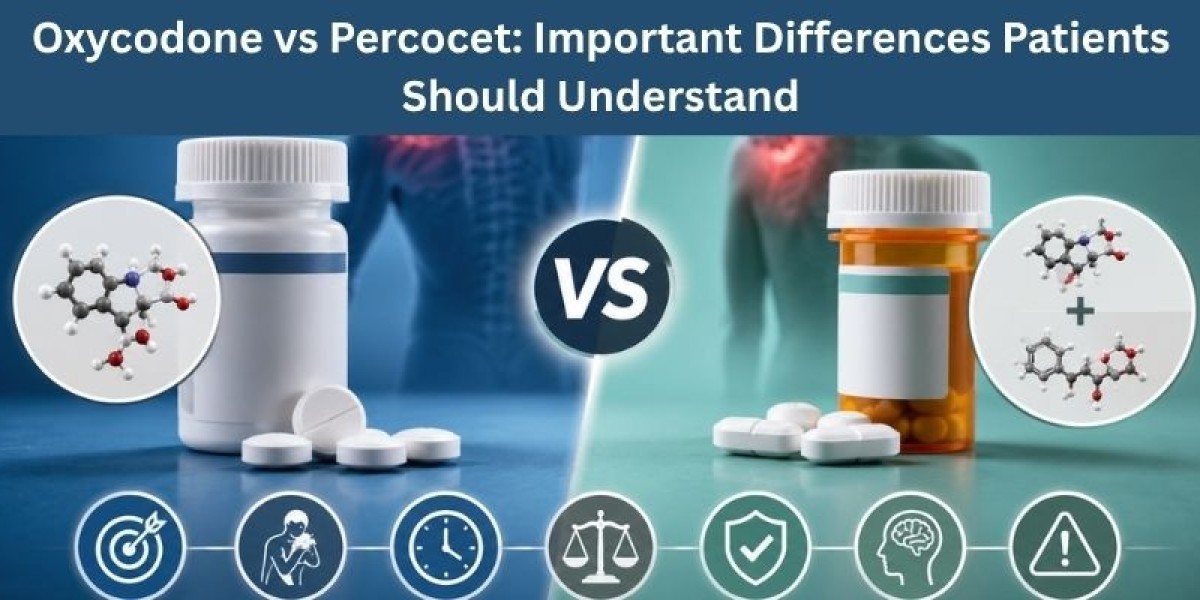

Managing moderate to severe pain often involves prescription medications when other treatment options are not enough. Since oxycodone and percocet are commonly used to relieve pain, many people wonder whether they are the same medication or if one is better suited for certain conditions. Although they share a common opioid ingredient, important differences in their formulation and safety considerations can influence how healthcare providers prescribe them.
Learning how these medications work, when they are used, and the precautions associated with each can help patients better understand their treatment plan and use their prescriptions more responsibly.
What Is Oxycodone?
Oxycodone is a prescription opioid medication that helps relieve moderate to severe pain. It works by interacting with opioid receptors in the brain and spinal cord, reducing the way pain signals are processed.
Healthcare providers may prescribe oxycodone for conditions such as:
Recovery after surgery
Serious injuries
Cancer-related pain
Certain chronic pain conditions
Severe pain that has not responded to other treatments
The medication is available in immediate-release formulations for temporary pain relief and extended-release versions that provide longer-lasting pain control for selected patients.
What Is Percocet?
Percocet is a combination prescription medication that contains:
Oxycodone
Acetaminophen
While oxycodone provides opioid pain relief, acetaminophen works differently to help reduce pain and fever. Combining these ingredients may improve pain management for some acute conditions.
Because Percocet contains acetaminophen, patients should carefully review other prescription and over-the-counter medications to avoid taking more than the recommended daily amount.
How Healthcare Providers Decide Between Them
The choice of medication depends on several clinical factors rather than a simple preference for one drug over the other.
A healthcare provider may consider:
The severity of pain
Whether the pain is acute or chronic
The patient's medical history
Liver function
Current medications
Previous response to pain treatment
Every treatment plan is individualized, and the medication selected should match the patient's specific healthcare needs.
Common Side Effects
Since both medications contain oxycodone, they share many possible side effects.
Common side effects include:
Drowsiness
Dizziness
Constipation
Nausea
Vomiting
Dry mouth
Fatigue
These effects may lessen as the body adjusts to treatment. However, persistent or severe symptoms should be discussed with a healthcare provider.
Emergency medical attention is necessary if a person develops slowed breathing, difficulty waking up, or signs of an allergic reaction.
Safety Considerations
Prescription opioids should always be used with caution because they carry important risks.
Dependence and Tolerance
Regular opioid use may lead to physical dependence. Some individuals may also develop tolerance over time, meaning higher doses are needed to achieve the same level of pain relief.
Healthcare providers generally prescribe the lowest effective dose for the shortest appropriate period while monitoring treatment closely.
Medication Interactions
Several medications and substances can increase the effects of opioids.
These include:
Alcohol
Sedative medications
Sleep aids
Muscle relaxants
Other opioid medications
Patients should always inform their healthcare provider about every medication, supplement, or herbal product they are taking.
Acetaminophen-Related Precautions
Unlike oxycodone alone, Percocet contains acetaminophen.
Taking excessive acetaminophen may increase the risk of liver injury. Since acetaminophen is found in many cold, flu, and pain medications, carefully reading ingredient labels is an important safety habit.
Tips for Safe Pain Management
Patients can reduce potential risks by following a few simple recommendations.
Take the medication exactly as prescribed.
Do not change the dose without consulting a healthcare provider.
Avoid drinking alcohol while taking opioid medications.
Store prescriptions in a secure location away from children and others.
Never share opioid medications with another person.
Properly dispose of unused medication through an approved medication take-back program whenever available.
Maintaining regular follow-up appointments also allows healthcare providers to monitor pain control and make adjustments if needed.
When to Contact Your Healthcare Provider
Medical advice should be sought if:
Pain remains uncontrolled despite treatment.
Side effects become severe or persistent.
New symptoms develop after starting the medication.
There are concerns about dependence or medication interactions.
Prompt communication with a healthcare provider can help address problems early and support safer treatment.
Conclusion
Prescription opioid medications can be effective for managing moderate to severe pain when they are used appropriately and under medical supervision. Understanding their ingredients, intended uses, and potential risks allows patients to make informed decisions and participate actively in their care.
By learning more about oxycodone and percocet, patients can better understand why one medication may be prescribed over the other and how to use it safely. Always follow your healthcare provider's instructions, ask questions if anything is unclear, and report any concerning side effects promptly to support safe and effective pain management.