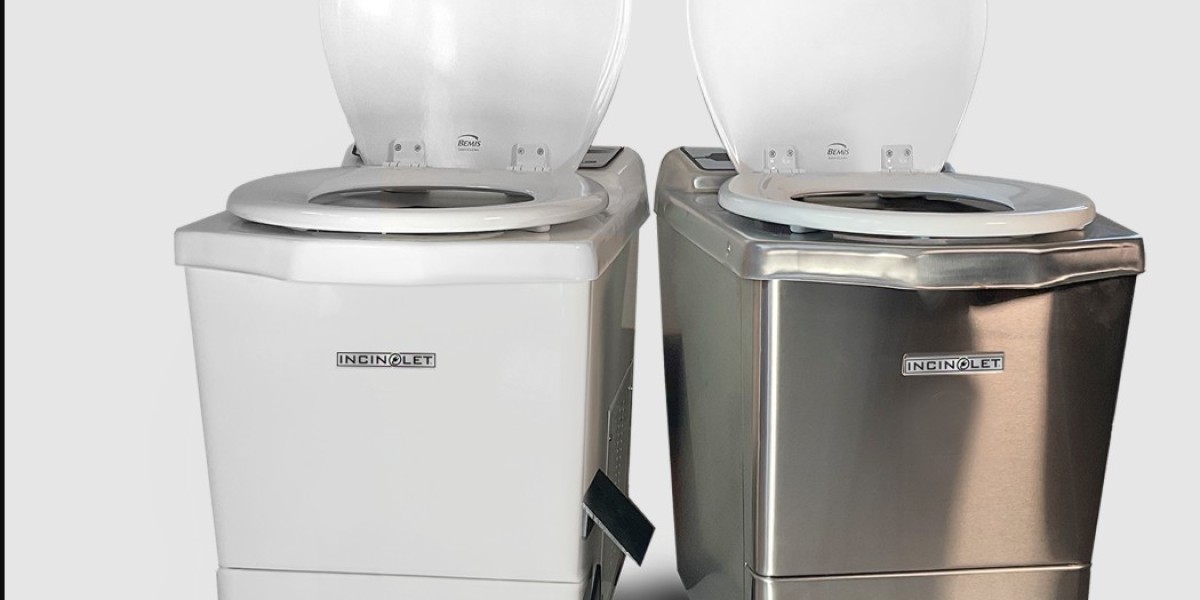

One of the most common questions homeowners ask before choosing an incinerating toilet is, “How much electricity does an incinerating toilet use?” Since these toilets use heat to transform waste into a small amount of sterile ash, understanding their energy consumption is important for planning installation, especially for cabins, tiny homes, and off-grid properties.
An electric incinerating toilet typically uses around 1.5 to 2.0 kilowatt-hours (kWh) of electricity per complete incineration cycle, depending on the model, amount of waste, and operating conditions. The actual energy usage may vary based on how frequently the toilet is used and the duration of each burn cycle.
How Does an Incinerating Toilet Use Electricity?
Unlike traditional toilets that rely on water and plumbing systems to transport waste, an electric incinerating toilet uses electricity to power a heating element. This heat raises the internal temperature enough to reduce human waste into a small quantity of sterile ash.
The electricity is mainly used during the burn cycle, which includes heating, incineration, and cooling stages. The toilet does not continuously consume large amounts of power when it is not running, making energy usage dependent on frequency of use.
How Much Does It Cost to Operate?
The operating cost depends on local electricity rates. For example, if an incinerating toilet uses approximately 1.5–2.0 kWh per cycle and electricity costs around $0.20 per kWh, each cycle may cost about $0.30–$0.40 in electricity.
The total monthly cost depends on household usage. A cabin used occasionally may have very low energy consumption, while a full-time residence with multiple users may require more frequent cycles.
How Much Electricity Does an Incinolet Use?
Incinolet electric incinerating toilets are designed to provide a water-free sanitation solution for locations where traditional plumbing may not be practical. Depending on the model and usage conditions, an Incinolet typically uses approximately 1.5–2.0 kWh per burn cycle.
The system uses electricity to heat and incinerate waste, reducing it into a small amount of sterile ash that can be easily removed. Because it does not require flushing water, a septic tank, or a sewer connection, Incinolet is commonly used in cabins, tiny homes, workshops, vacation properties, and remote locations.
Is the Electricity Usage Worth It?
For many property owners, the electricity used by an incinerating toilet is a worthwhile trade-off compared to the installation and maintenance costs associated with septic systems or complex plumbing. These toilets offer several advantages:
- No water is required for flushing.
- No septic tank or sewer connection is needed.
- Waste volume is significantly reduced.
- Maintenance is simple with occasional ash removal.
- Suitable for remote and off-grid locations with proper power access.
For homeowners using solar power, generators, or battery storage systems, energy planning is an important part of choosing an electric incinerating toilet.
Factors That Affect Electricity Consumption
Several factors can influence how much electricity an incinerating toilet uses, including:
- The number of users.
- Frequency of toilet use.
- Amount of waste being processed.
- Specific toilet model.
- Ambient temperature and installation conditions.
Following the manufacturer’s guidelines and selecting the correct model for your needs can help maintain efficient operation.
Final Thoughts
So, how much electricity does an incinerating toilet use? On average, an electric incinerating toilet uses about 1.5 to 2.0 kWh per burn cycle, with costs depending on local electricity rates and usage frequency. Incinolet provides a practical solution for homeowners seeking a water-free, low-maintenance toilet system for off-grid homes, cabins, and other locations where traditional waste management options are difficult to install. With proper electrical planning, an incinerating toilet can offer reliable and convenient sanitation while reducing dependence on conventional plumbing systems.