
In the hospitality industry, guest satisfaction depends on much more than comfortable rooms and excellent service. Clean, fresh, and well-maintained linens play a significant role in shaping the overall guest experience. From luxurious bed sheets and fluffy towels to spotless tablecloths and staff uniforms, every textile reflects a hotel's commitment to quality.
Managing laundry operations, however, is far more complex than simply washing and drying fabrics. Hotels must balance quality, efficiency, operating costs, labor management, equipment maintenance, and environmental responsibility. These challenges become even greater as occupancy rates fluctuate and guest expectations continue to rise.
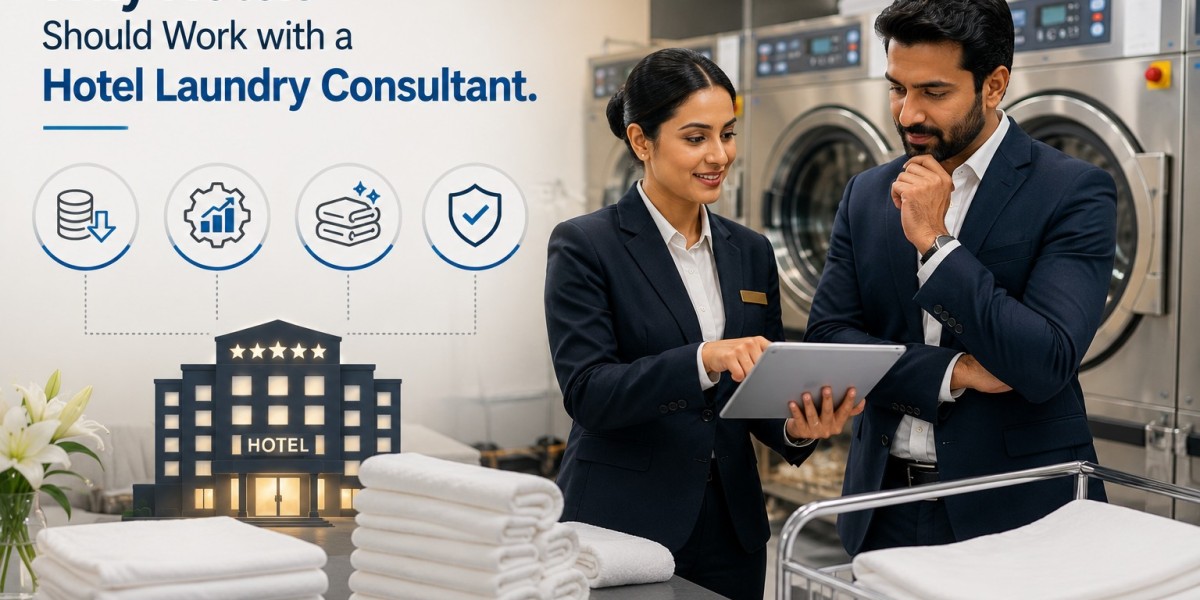
This is where a hotel laundry consultant becomes an invaluable resource. By offering industry expertise, operational insights, and customized solutions, these professionals help hotels improve their laundry systems while reducing costs and maintaining exceptional quality.
Understanding Modern Hotel Laundry Operations
Hotel laundry departments handle thousands of textile items every day. Bed linens, pillowcases, towels, robes, uniforms, banquet linens, curtains, and specialty fabrics all require different washing methods and care procedures.
Without proper management, hotels may face several common problems, including:
High utility bills
Frequent equipment breakdowns
Excessive linen replacement costs
Inconsistent wash quality
Poor inventory control
Staff productivity issues
Long turnaround times
Rather than reacting to these problems after they become expensive, hotels benefit from professional guidance that focuses on prevention and continuous improvement.
Expert Evaluation of Existing Processes
One of the biggest advantages of hiring a hotel laundry consultant is gaining an objective assessment of current operations.
Many hotel managers become accustomed to existing workflows without realizing there are better alternatives. An experienced consultant carefully studies every aspect of the laundry department, including:
Workflow design
Equipment utilization
Staff scheduling
Chemical usage
Water consumption
Energy efficiency
Linen handling procedures
Storage practices
After evaluating operations, practical recommendations are provided to improve performance without disrupting daily hotel activities.
Improving Operational Efficiency
Efficiency directly affects both guest satisfaction and operating costs.
Laundry delays can create room shortages, housekeeping challenges, and unnecessary stress for hotel staff. Consultants identify bottlenecks that slow production and recommend improvements that increase throughput.
These improvements often include:
Better workflow layouts
Optimized wash schedules
Reduced idle machine time
Improved sorting procedures
Faster drying processes
Efficient folding and packaging methods
Even small operational adjustments can significantly increase daily production capacity.
Reducing Operating Costs
Laundry departments consume large amounts of water, electricity, steam, detergents, and labor. Small inefficiencies repeated thousands of times each month can become major financial losses.
A professional consultant helps hotels lower expenses by identifying opportunities such as:
Reducing water consumption
Optimizing chemical dosing
Lowering energy usage
Extending linen lifespan
Improving machine utilization
Preventing unnecessary rewashing
These savings accumulate over time and contribute directly to improved profitability.
Extending the Life of Hotel Linens
Replacing hotel linens represents a major recurring expense.
Incorrect wash temperatures, excessive chemical use, overloading machines, and poor drying techniques can significantly reduce textile life.
Consultants recommend proper handling procedures that protect fabrics while maintaining cleanliness and hygiene. As a result, hotels often experience:
Fewer torn sheets
Reduced towel damage
Better fabric softness
Improved color retention
Longer linen replacement cycles
Preserving textile quality not only lowers purchasing costs but also enhances the guest experience.
Selecting the Right Equipment
Hotels frequently invest substantial amounts in laundry machinery. Choosing equipment based solely on purchase price can lead to higher operating expenses later.
A consultant evaluates factors such as:
Hotel size
Daily laundry volume
Utility availability
Labor requirements
Expansion plans
Maintenance needs
This ensures hotels invest in machines that match their operational requirements rather than paying for unnecessary capacity or struggling with undersized equipment.
Enhancing Staff Productivity
Even the most advanced laundry equipment cannot deliver excellent results without trained employees.
Many hotels struggle with inconsistent procedures, unclear responsibilities, and inefficient staff allocation.
Professional guidance helps establish:
Standard operating procedures
Clear work assignments
Training programs
Quality inspection routines
Safety practices
Performance monitoring
When employees understand standardized processes, productivity naturally improves while operational errors decrease.
Supporting Sustainable Hotel Operations
Environmental responsibility has become an important priority across the hospitality industry.
Guests increasingly appreciate hotels that actively reduce their environmental impact without compromising comfort.
Laundry operations provide numerous opportunities for sustainability through:
Lower water usage
Reduced chemical waste
Energy-efficient equipment
Heat recovery systems
Proper wastewater management
Environmentally friendly detergents
These improvements help hotels meet sustainability goals while also reducing operating expenses.
Better Inventory Management
Poor linen inventory control can create unnecessary expenses.
Hotels sometimes purchase additional linens simply because they lack accurate inventory tracking. Others experience shortages because damaged items are not replaced promptly.
Consultants develop systems for monitoring:
Linen circulation
Loss rates
Damage frequency
Replacement schedules
Storage conditions
Stock levels
Improved inventory management reduces unnecessary purchases while ensuring sufficient linen availability during peak occupancy periods.
Improving Hygiene Standards
Cleanliness remains one of the most important factors influencing guest reviews.
Proper laundry procedures eliminate bacteria, stains, odors, and allergens while protecting fabric quality.
A hotel laundry consultant helps establish washing protocols that meet hygiene standards while avoiding excessive chemical exposure or unnecessary fabric wear.
This balance ensures guests receive fresh, hygienic linens every time they check into the hotel.
Preparing Hotels for Growth
As hotels expand, laundry operations become increasingly complex.
Adding more rooms, banquet facilities, restaurants, spas, or multiple properties increases linen demand dramatically.
Without proper planning, existing laundry systems may become overwhelmed, resulting in slower turnaround times and declining quality.
Consultants develop scalable operational strategies that allow laundry departments to grow alongside the business. This forward-thinking approach minimizes future disruptions and supports long-term success.
Reducing Equipment Downtime
Unexpected equipment failures can quickly disrupt hotel operations.
Preventive maintenance programs help identify potential problems before costly breakdowns occur.
Consultants often recommend maintenance schedules that include:
Routine inspections
Component replacement planning
Performance monitoring
Cleaning procedures
Calibration checks
Operator maintenance training
These practices improve equipment reliability while extending machine lifespan.
Delivering Consistent Guest Experiences
Guests notice details.
Fresh-smelling towels, crisp bed linens, spotless tablecloths, and neatly pressed uniforms all contribute to positive first impressions.
Consistent laundry quality strengthens the hotel's brand image and encourages repeat business. Since online reviews frequently mention cleanliness, maintaining high laundry standards directly influences reputation and customer satisfaction.
Professional guidance ensures these standards remain consistent regardless of occupancy levels or seasonal demand.
Staying Competitive in the Hospitality Industry
Competition among hotels continues to increase, making operational efficiency more important than ever.
Successful properties continuously evaluate every department for opportunities to improve service while controlling costs.
Laundry may operate behind the scenes, but its impact reaches every guest room and service area. Optimized laundry operations contribute to smoother housekeeping, faster room turnover, lower expenses, and higher guest satisfaction.
Hotels that invest in expert operational improvements often gain a competitive advantage by delivering better service with greater efficiency.
Conclusion
Laundry operations are an essential part of every successful hotel, influencing guest comfort, operational efficiency, and overall profitability. Managing this department effectively requires specialized knowledge, careful planning, and ongoing optimization.
Working with a hotel laundry consultant enables hotels to improve workflows, reduce operating costs, extend linen life, enhance sustainability, and maintain consistently high hygiene standards. Rather than treating laundry as a routine back-office function, hotels that prioritize professional expertise transform it into a strategic advantage that supports exceptional guest experiences and long-term business growth.