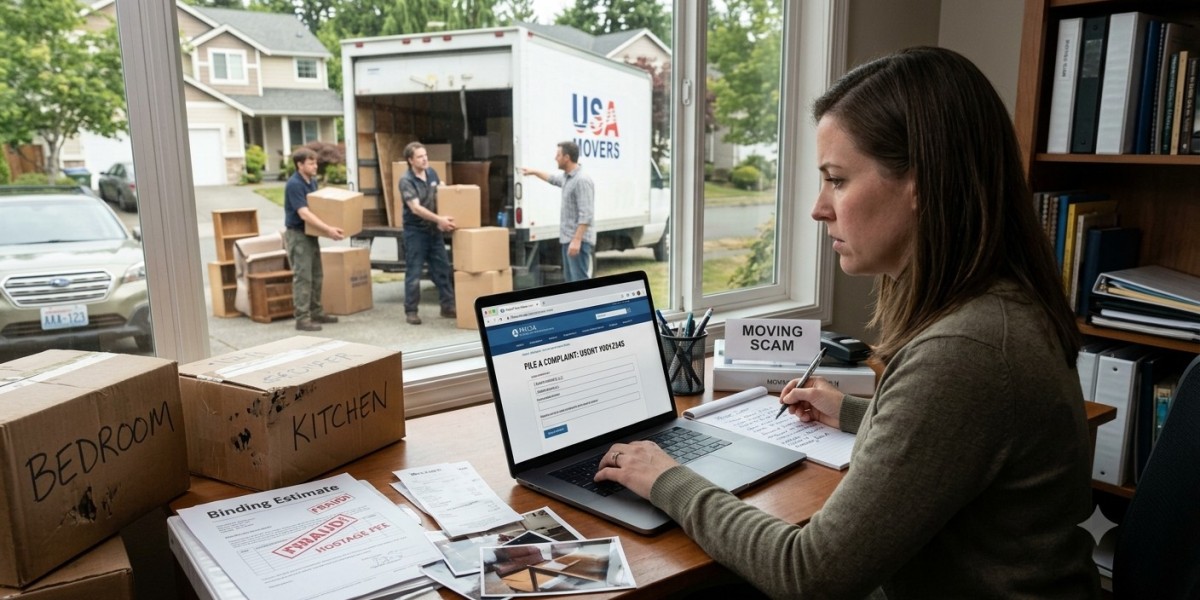

Moving to a new home should be an exciting milestone. Unfortunately, dishonest moving companies sometimes take advantage of customers through hidden fees, fake estimates, delayed deliveries, or even stolen belongings. If you've experienced any of these situations, it's important to Report Moving Scams as soon as possible.
Taking action not only increases your chances of resolving the issue but also helps protect future customers from becoming victims of the same fraudulent company. Knowing where to report the incident, what evidence to collect, and which agencies can assist you will make the process much smoother.
This guide explains every step you need to take to report a moving scam while protecting your legal and financial interests.
Understanding Moving Scams
Moving scams occur when dishonest movers intentionally deceive customers for financial gain. These scams often begin with attractive prices that seem much lower than competitors. Once your belongings are loaded onto the truck, the company suddenly demands additional payments before completing the delivery.
Some scammers operate without proper licenses, while others impersonate legitimate businesses by copying names and branding.
Common moving scams include:
- Extremely low estimates to attract customers
- Hidden fees added on moving day
- Holding belongings hostage until extra payment is made
- Delivering damaged or missing items
- Refusing to honor written agreements
- Operating without proper registration
Being familiar with these tactics makes it easier to recognize suspicious behavior before it becomes a costly problem.
Why You Should Report Moving Scams Immediately
Many victims feel embarrassed after being scammed, but remaining silent only allows fraudulent movers to continue targeting other families.
When you Report Moving Scams, you help:
- Protect future customers
- Alert consumer protection agencies
- Increase investigations into dishonest companies
- Improve industry accountability
- Create public records of fraudulent businesses
Even if your financial loss seems small, filing an official complaint contributes valuable information that regulators may use when investigating repeat offenders.
Prompt reporting also increases the likelihood of recovering lost funds or receiving compensation.
Signs You've Been Scammed by a Moving Company
Not every moving issue is a scam, but several warning signs strongly suggest fraudulent activity.
The Price Suddenly Increases
One of the biggest red flags is receiving a dramatically higher bill after your belongings have already been loaded.
Scammers know customers often feel pressured because all their possessions are already in the truck.
Your Belongings Are Held Hostage
Some fraudulent movers refuse delivery until customers pay unexpected charges that were never included in the original estimate.
This illegal practice is commonly known as a hostage load.
Missing Documentation
Professional movers provide:
- Written estimates
- Contracts
- Inventory lists
- Contact information
- Licensing details
If important documents are missing or incomplete, you should be cautious.
No Clear Communication
Ignoring phone calls, changing office addresses, or refusing to answer questions often indicates that a company is attempting to avoid responsibility.
Consumers can avoid many of these situations by researching movers carefully before signing any agreement. Resources such as the Federal Motor Carrier Safety Administration (FMCSA) provide valuable information about licensed interstate movers and consumer rights.
Gather Evidence Before You Report
The stronger your documentation, the stronger your complaint will be.
Before you Report Moving Scams, organize every piece of evidence available.
Important Documents to Save
| Evidence | Why It Matters |
|---|---|
| Moving contract | Shows agreed terms |
| Written estimate | Proves original pricing |
| Receipts | Verifies payments |
| Email conversations | Documents communication |
| Text messages | Shows promises and timelines |
| Photos | Records damaged property |
| Videos | Supports damage claims |
| Inventory lists | Confirms missing items |
Also keep records of:
- Dates and times of conversations
- Employee names
- Vehicle license plates
- Company addresses
- Payment methods
Detailed evidence significantly improves the credibility of your complaint.
Contact the Moving Company First
Before filing complaints with outside organizations, give the moving company an opportunity to resolve the issue.
Remain professional throughout your communication.
Explain:
- What happened
- Why you believe the charges are incorrect
- What resolution you're requesting
- A reasonable deadline for responding
Keep copies of every email or letter you send.
If the company refuses to cooperate or ignores your requests, move forward with formal complaints immediately.
While researching reliable resources, many consumers also come across Moving Scam Stories, which shares educational information that helps people recognize fraudulent moving practices before hiring a company. Learning from real experiences can make it much easier to identify warning signs early and avoid costly mistakes.
File a Complaint with the FMCSA
If your move crossed state lines, the Federal Motor Carrier Safety Administration is one of the most important agencies to contact.
The FMCSA oversees interstate household movers and investigates complaints involving:
- Fraud
- Hidden charges
- Delivery disputes
- Licensing violations
- Consumer protection issues
When filing your complaint, include:
- Company name
- USDOT number (if available)
- Contract copies
- Photos
- Receipts
- Timeline of events
- Description of your financial losses
Providing complete and accurate information helps investigators evaluate your case more effectively.
Report Moving Scams to Your State Consumer Protection Agency
While federal agencies handle interstate moving complaints, your state's consumer protection office can investigate businesses operating within state borders. These agencies often work with attorneys general and local regulators to resolve disputes between consumers and moving companies.
When you Report Moving Scams to your state agency, be prepared to provide:
- A copy of your moving contract
- The written estimate
- Proof of payment
- Photos of damaged belongings
- A timeline of events
- Copies of emails or text messages
Many agencies also offer online complaint forms, making it easy to submit supporting documents electronically. Filing with both federal and state authorities can improve the visibility of your case.
Submit a Complaint to the Better Business Bureau (BBB)
The Better Business Bureau (BBB) is another valuable resource for consumers dealing with dishonest movers. Although the BBB cannot enforce legal penalties, it encourages businesses to respond to customer complaints and often helps facilitate communication.
A BBB complaint should include:
- The company's full name
- Your moving date
- A summary of the issue
- Copies of important documents
- The resolution you're seeking
Potential customers frequently check BBB profiles before hiring a company. Your complaint could help someone else avoid hiring a fraudulent mover.
Contact Local Law Enforcement When Necessary
Some moving disputes involve poor customer service, while others may involve criminal behavior.
If a moving company has:
- Stolen your belongings
- Demanded money through threats
- Refused to return your property
- Used fake identities
- Committed fraud
You should contact your local police department immediately.
Request a copy of the police report, as it may support future insurance claims, legal actions, or consumer protection investigations.
If the scam involved identity theft or financial fraud, notify the appropriate financial institutions as soon as possible.
Protect Your Financial Accounts After a Scam
Scammers may have access to your payment information if you paid using a debit card, credit card, or bank transfer.
Take these steps immediately:
- Contact your bank or credit card provider.
- Report any unauthorized transactions.
- Request a chargeback if applicable.
- Change passwords for online banking.
- Monitor your accounts regularly.
- Place a fraud alert on your credit report if necessary.
Quick action can reduce financial losses and prevent additional unauthorized charges.
Know Your Rights as a Consumer
Understanding your rights helps you respond confidently when dealing with dishonest movers.
As a customer, you generally have the right to:
- Receive a written estimate before the move.
- Review the moving contract before signing.
- Ask questions about additional fees.
- Receive your belongings within the agreed timeframe.
- File complaints with government agencies.
- Seek legal action if fraud occurs.
Never feel pressured into signing documents you don't fully understand. Reputable moving companies explain their pricing, policies, and services clearly before moving day.
Tips to Prevent Moving Scams in the Future
Although it's important to know how to Report Moving Scams, prevention is always the best strategy.
Before hiring a mover, follow these best practices:
Research Thoroughly
Read customer reviews from multiple sources instead of relying on testimonials posted only on the company's website.
Verify Licensing
Interstate movers should have proper registration and licensing. Verify their credentials before booking.
Request Written Estimates
Avoid companies that provide only verbal quotes. A written estimate creates a record of the agreed pricing and services.
Compare Multiple Companies
Don't hire the first mover you find. Compare estimates, services, and customer feedback from at least three companies.
Avoid Large Upfront Deposits
Legitimate movers usually don't require excessive payments before the move begins.
Read Every Document
Take time to review contracts, cancellation policies, insurance options, and fee structures before signing.
Following these simple precautions greatly reduces the chances of becoming a victim of moving fraud.
Frequently Asked Questions
1. Where should I report moving scams?
You can report fraudulent movers to the FMCSA, your state's consumer protection agency, the Better Business Bureau, and local law enforcement if criminal activity is involved.
2. Can I get my money back after a moving scam?
It depends on the circumstances. You may recover funds through chargebacks, insurance claims, legal action, mediation, or settlements if sufficient evidence supports your claim.
3. What documents should I keep?
Save your moving contract, written estimate, receipts, payment records, emails, text messages, inventory lists, and photographs of damaged or missing belongings.
4. Should I report a scam even if my loss was small?
Yes. Every complaint helps authorities identify repeat offenders and may prevent others from becoming victims.
5. How long should I wait before filing a complaint?
Don't wait. Report the issue as soon as you realize something is wrong. Early reporting improves the chances of resolving your case successfully.
6. Can online reviews help prevent moving scams?
Yes. Reading verified customer reviews and researching company histories can reveal recurring complaints, hidden fees, or patterns of dishonest behavior before you hire a mover.
Conclusion
Experiencing a moving scam can be stressful, expensive, and emotionally draining, but you don't have to face it alone. Taking prompt action to Report Moving Scams helps protect your rights while supporting investigations into dishonest moving companies.
By gathering strong evidence, contacting the appropriate agencies, protecting your financial accounts, and understanding your legal options, you'll be in a much better position to pursue a fair resolution. Just as importantly, your report can help prevent others from experiencing the same type of fraud.
Before your next move, invest time in researching movers, verifying credentials, and reading contracts carefully. A little preparation today can save you from significant financial and emotional hardship tomorrow.