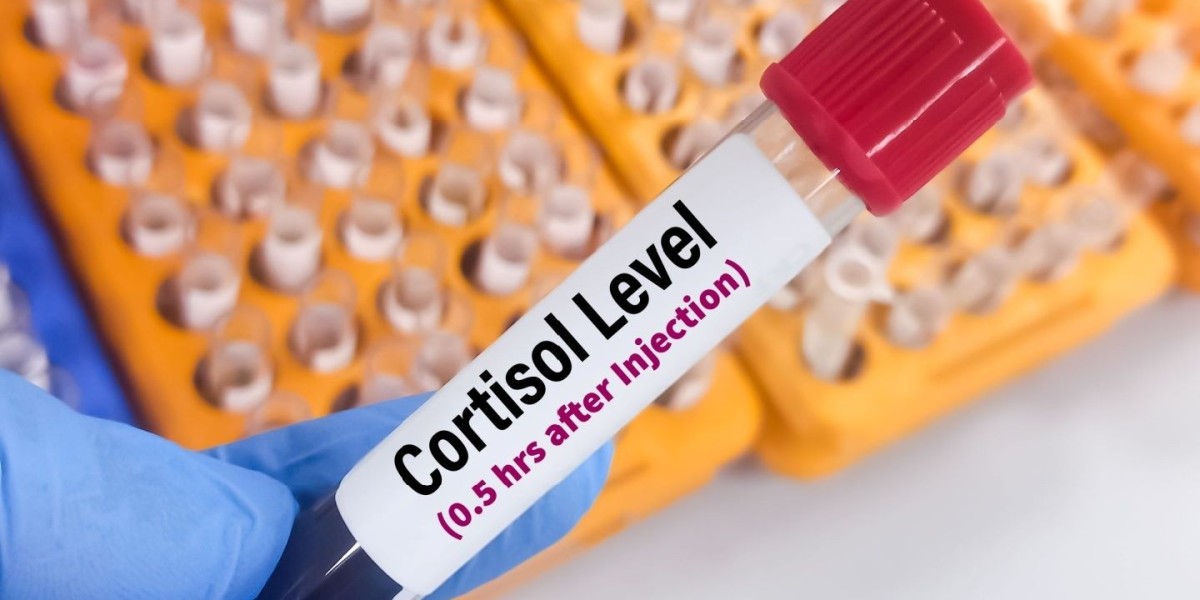

Your body depends on hormones to perform hundreds of essential functions, and cortisol is one of the most important among them. Produced by the adrenal glands, cortisol helps regulate metabolism, blood sugar levels, immune response, blood pressure, and the body's ability to cope with physical and emotional stress. When cortisol production becomes too high or too low, it can affect nearly every system in the body.
A Cortisol Blood Test Dubai is a simple diagnostic procedure that measures the level of cortisol in your bloodstream. It is commonly recommended when healthcare providers suspect adrenal gland disorders, pituitary gland problems, or hormone imbalances. Whether you are experiencing unexplained fatigue, weight changes, muscle weakness, or persistent stress-related symptoms, understanding the testing process can help you prepare with confidence.
The Purpose Behind a Cortisol Blood Test:
Unlike routine blood tests, a cortisol blood test specifically evaluates how well your adrenal glands are functioning. Since cortisol influences multiple bodily processes, abnormal levels often indicate an underlying medical condition rather than a temporary health issue.
Doctors typically recommend this test to investigate conditions such as adrenal insufficiency, Cushing's syndrome, Addison's disease, pituitary disorders, and other endocrine abnormalities. It may also be ordered to monitor treatment effectiveness for patients already diagnosed with hormone-related illnesses.
How Cortisol Is Produced in the Body?
To understand the testing process, it helps to know how cortisol production works.
The brain and adrenal glands communicate through the hypothalamic-pituitary-adrenal (HPA) axis. The hypothalamus signals the pituitary gland, which releases adrenocorticotropic hormone (ACTH). ACTH then stimulates the adrenal glands to produce cortisol.
Normally, cortisol levels are highest in the early morning and gradually decline throughout the day. This daily rhythm explains why the timing of a cortisol blood test is extremely important for accurate interpretation.
Who May Need a Cortisol Blood Test?
Healthcare providers may recommend testing if you have symptoms suggesting abnormal cortisol production.
Common reasons include:
Persistent fatigue
Unexplained weight gain or weight loss
Muscle weakness
High blood pressure
Low blood pressure
Frequent infections
Mood swings
Depression or anxiety
Skin thinning or easy bruising
Darkening of the skin
Poor stress tolerance
Elevated blood sugar levels
People receiving long-term corticosteroid medications may also require cortisol monitoring to assess adrenal gland function.
Preparing for the Test:
Proper preparation ensures the most accurate results. Although the procedure is relatively simple, your healthcare provider may provide personalised instructions depending on your medical history.
Preparation usually includes:
Following the Recommended Testing Time:
Because cortisol naturally changes throughout the day, blood is often collected between 7:00 AM and 9:00 AM when levels are highest. In certain situations, afternoon or evening samples may also be required.
Informing Your Doctor About Medications:
Certain medications can influence cortisol levels, including:
Steroid medications
Birth control pills
Hormone replacement therapy
Anti-seizure medicines
Some antifungal drugs
Never stop medication without medical advice.
Managing Physical Stress:
Heavy exercise, illness, surgery, and emotional stress may temporarily affect cortisol production. Your healthcare provider may advise avoiding strenuous activity before the test whenever possible.
Fasting Requirements:
Most cortisol blood tests do not require fasting. However, if additional blood tests are scheduled at the same time, fasting instructions may apply.
What Happens During the Cortisol Blood Test?
The actual testing procedure is quick, minimally invasive, and typically completed within a few minutes.
A healthcare professional begins by cleaning the skin over a vein, usually inside the elbow. A small needle is inserted to collect a blood sample into a sterile tube. Once enough blood has been collected, the needle is removed and gentle pressure is applied to prevent bruising.
Most people experience only mild discomfort similar to a routine blood draw.
The sample is then sent to a laboratory for hormone analysis.
Is the Test Safe?
A cortisol blood test is considered a very safe diagnostic procedure.
Minor side effects may include:
Slight bruising
Mild soreness
Temporary bleeding
Occasional light-headedness
Serious complications are extremely rare when the blood sample is collected by trained medical professionals.
Understanding Additional Cortisol Tests:
In some situations, your doctor may order additional testing alongside a cortisol blood test to obtain a more complete picture of adrenal gland function.
Saliva Cortisol Test:
Saliva testing measures free cortisol levels and is often collected late at night. It is particularly useful when evaluating suspected Cushing's syndrome because cortisol should normally be very low during nighttime hours.
Urine Cortisol Test:
A 24-hour urine cortisol test measures the total amount of cortisol produced throughout an entire day. This approach helps identify excessive hormone production that may not be detected through a single blood sample.
ACTH Stimulation Test:
If adrenal insufficiency is suspected, an ACTH stimulation test may be performed. This specialised examination measures how well the adrenal glands respond after receiving synthetic ACTH.
Interpreting the Results:
Your cortisol test results should always be reviewed by a qualified healthcare provider because hormone levels vary according to age, testing time, medications, and laboratory reference ranges.
Elevated Cortisol Levels:
High cortisol may indicate:
Cushing's syndrome
Pituitary gland tumour
Adrenal tumour
Chronic physical stress
Severe illness
Certain medications
Symptoms often include central weight gain, elevated blood pressure, muscle weakness, diabetes, and thinning skin.
Low Cortisol Levels:
Low cortisol levels may suggest:
Addison's disease
Primary adrenal insufficiency
Secondary adrenal insufficiency
Pituitary gland dysfunction
Autoimmune adrenal disease
People with low cortisol frequently experience fatigue, dizziness, weight loss, abdominal pain, low blood pressure, and reduced ability to respond to physical stress.
Factors That Can Affect Cortisol Test Results:
Several factors may temporarily influence cortisol measurements.
These include:
Pregnancy
Poor sleep
Shift work
Recent surgery
Emotional stress
Intense physical activity
Acute illness
Certain prescription medications
Providing your healthcare provider with a complete medical history helps ensure accurate interpretation.
What Happens After the Test?
Receiving abnormal results does not necessarily confirm a disease. Instead, the findings guide your healthcare provider toward additional investigations if necessary.
Depending on your results, further evaluation may include:
Repeat cortisol blood testing
ACTH blood test
MRI of the pituitary gland
CT scan of the adrenal glands
Hormone panel testing
Endocrinologist consultation
Combining laboratory findings with your symptoms and medical history provides the most accurate diagnosis.
Frequently Asked Questions:
How long does the test take?
The blood collection itself usually takes less than five minutes, although your clinic visit may last around 20 to 30 minutes.
Can stress affect cortisol levels?
Yes. Emotional stress, illness, and physical exertion can temporarily increase cortisol production, which is why proper preparation is important.
Is one blood test enough?
Not always. Some conditions require repeated testing at different times of day or additional saliva and urine cortisol measurements.
When are results available?
Most laboratories provide cortisol blood test results within one to three working days, although turnaround time varies depending on the healthcare facility.
Key Takeaway:
A cortisol blood Lab tests is a valuable diagnostic tool that helps healthcare providers assess adrenal gland function and identify hormonal imbalances affecting the body's stress response. Understanding the complete testing process—from preparation and blood collection to result interpretation—can reduce anxiety and ensure you know what to expect.
If you are experiencing symptoms such as chronic fatigue, unexplained weight changes, persistent high or low blood pressure, muscle weakness, or ongoing mood changes, discussing cortisol testing with your healthcare provider may be an important step toward identifying the underlying cause. Early diagnosis allows appropriate treatment, helping restore hormonal balance and improve overall health and well-being.