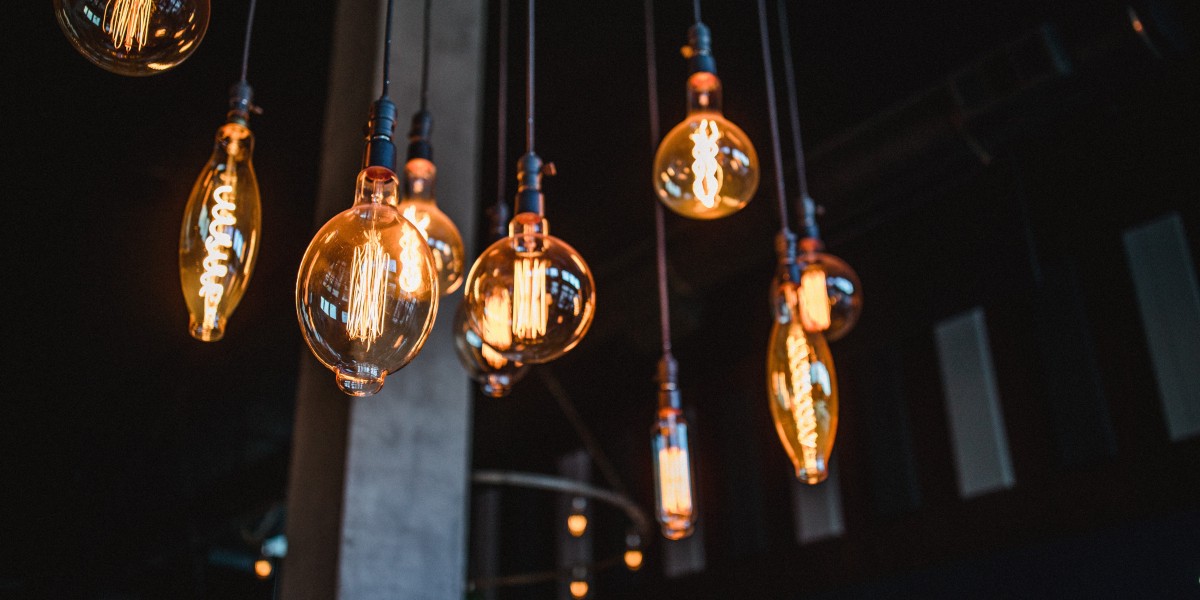

Among the many lighting options available today, spot lights have become a preferred choice because of their ability to highlight specific areas while adding elegance and depth to interiors. When combined with effective commercial lighting strategies, these fixtures create visually appealing environments that improve both aesthetics and functionality.
Instead of flooding an entire room with uniform brightness, spot lights focus illumination exactly where it is needed. This makes them ideal for accentuating décor, artwork, architectural details, furniture, and workspaces. Their versatility allows designers to create layered lighting that enhances every corner of an interior.
What Are Spot Lights?
Spot lights are directional lighting fixtures designed to project concentrated beams of light onto a particular object or area. Unlike general lighting that spreads illumination evenly throughout a room, spot lights provide focused lighting that draws attention to selected features.
These fixtures are available in various styles, including:
Recessed Spot Lights
Installed within ceilings for a clean and modern appearance, recessed spot lights blend seamlessly into contemporary interiors.
Surface-Mounted Spot Lights
Mounted directly onto ceilings or walls, these fixtures are suitable when recessed installation is not possible.
Adjustable Spot Lights
These fixtures allow users to direct the beam toward different objects, offering flexibility for changing layouts or displays.
Track Spot Lights
Mounted on tracks, multiple adjustable fixtures can illuminate different areas from a single installation point, making them popular in galleries and retail environments.
Why Lighting Matters in Interior Design
Interior design is about much more than furniture and decorative elements. Lighting influences how colors appear, how textures are perceived, and how comfortable a room feels.
Proper lighting can:
Create Mood
Warm lighting creates cozy, relaxing spaces, while cooler lighting supports productivity and focus.
Highlight Architectural Features
Lighting can emphasize textured walls, ceilings, columns, staircases, or decorative panels that might otherwise go unnoticed.
Improve Space Perception
Well-planned lighting makes smaller rooms appear larger and gives depth to open spaces.
Enhance Functionality
Different activities require different lighting levels. Reading, cooking, working, and entertaining all benefit from customized illumination.
Spot lights play a central role in achieving these objectives because they provide targeted lighting exactly where it is most effective.
How Spot Lights Transform Interior Spaces
Highlight Decorative Elements
Artwork, sculptures, indoor plants, and decorative shelves deserve attention. Spot lights direct focused beams toward these elements, making them stand out without overwhelming the surrounding space.
This technique adds sophistication while allowing homeowners and designers to showcase carefully selected décor.
Add Visual Depth
Flat lighting often makes interiors appear dull. By combining ambient lighting with focused spot lights, designers create layers of illumination that introduce depth and dimension.
This layered approach produces a more luxurious and inviting atmosphere.
Improve Room Balance
Rooms often contain focal points such as fireplaces, entertainment units, feature walls, or designer furniture.
Spot lights naturally guide the eye toward these areas, helping establish visual balance throughout the room.
Enhance Wall Textures
Stone walls, wooden panels, decorative tiles, and textured wallpapers become more striking when illuminated from strategic angles.
The shadows created by spot lighting reveal details that ordinary lighting may hide.
Applications in Residential Interiors
Modern homes benefit greatly from carefully planned spot lighting.
Living Rooms
Spot lights create comfortable spaces for entertaining guests while highlighting artwork, bookshelves, display cabinets, and television units.
Layered lighting also makes living rooms adaptable for different activities throughout the day.
Kitchens
In kitchens, focused lighting improves visibility above countertops, islands, and preparation areas.
This enhances both safety and efficiency while maintaining an attractive appearance.
Dining Areas
Spot lights positioned above dining tables create intimate environments perfect for family meals or entertaining visitors.
Dimmable fixtures further improve flexibility by allowing brightness adjustments according to the occasion.
Bedrooms
Bedrooms require calming environments.
Soft spot lighting around headboards, reading corners, wardrobes, or decorative wall panels provides functional illumination without making the room feel overly bright.
Bathrooms
Bathrooms benefit from carefully positioned spot lights around mirrors, showers, and vanities.
Proper placement reduces shadows while improving grooming activities.
Spot Lights in Office Interiors
Office environments require lighting that supports concentration while maintaining employee comfort.
Spot lights can:
Illuminate conference tables
Highlight reception desks
Improve executive office aesthetics
Enhance collaborative workspaces
Provide task lighting for focused work
By combining ambient illumination with targeted lighting, workplaces become both productive and visually appealing.
Retail Spaces and Customer Experience
Retail stores depend heavily on lighting to influence customer behavior.
Focused spot lights attract attention to:
Featured products
Seasonal displays
Promotional sections
Premium merchandise
Window displays
Customers naturally look toward brighter focal points, making spot lighting an effective merchandising tool.
Proper lighting also improves product colors and textures, encouraging purchasing decisions.
Hospitality and Entertainment Venues
Hotels, restaurants, cafés, and lounges rely on atmosphere to create memorable guest experiences.
Spot lights contribute by:
Creating Welcoming Entrances
Focused lighting around entrances improves first impressions while enhancing safety.
Enhancing Dining Experiences
Restaurants use spot lights to softly illuminate dining tables while maintaining comfortable surrounding darkness.
This creates intimate dining environments appreciated by customers.
Highlighting Interior Décor
Decorative walls, artwork, sculptures, and water features become attractive focal points through carefully directed lighting.
Supporting Event Spaces
Hotels frequently use adjustable spot lights to accommodate weddings, conferences, and social gatherings with changing lighting requirements.
The Role of Spot Lights in Layered Lighting Design
Professional interior designers rarely rely on a single lighting source.
Instead, they combine three main lighting layers:
Ambient Lighting
Provides overall illumination for comfortable visibility.
Task Lighting
Supports activities such as reading, cooking, working, or grooming.
Accent Lighting
Spot lights belong to this category, emphasizing specific objects or architectural features.
Together, these layers create balanced interiors that are visually comfortable and highly functional.
Choosing the Right Beam Angle
Beam angle determines how concentrated the light appears.
Narrow Beam
Ideal for artwork, sculptures, display items, and feature walls.
Medium Beam
Suitable for furniture, decorative shelves, and small seating areas.
Wide Beam
Works well for larger walls, open spaces, and broader architectural features.
Selecting the appropriate beam angle ensures effective lighting without unnecessary glare.
Color Temperature and Ambience
The color temperature of lighting significantly influences mood.
Warm White
Creates cozy environments suitable for living rooms, bedrooms, restaurants, and hospitality spaces.
Neutral White
Provides balanced lighting for kitchens, offices, and commercial interiors.
Cool White
Enhances concentration and visibility in workspaces, healthcare facilities, and educational environments.
Matching color temperature with interior design objectives improves both comfort and aesthetics.
Energy Efficiency Benefits
Modern LED spot lights consume considerably less electricity than traditional lighting technologies.
Their advantages include:
Lower energy consumption
Reduced maintenance
Longer operating life
Lower heat generation
Consistent brightness
These benefits make them an environmentally responsible lighting solution while reducing long-term operating costs.
Common Placement Tips
Successful spot lighting depends on careful positioning.
Avoid Direct Glare
Fixtures should illuminate surfaces rather than shine directly into occupants' eyes.
Maintain Proper Spacing
Even spacing prevents overly bright areas and dark patches.
Focus on Focal Points
Highlight important architectural or decorative features rather than every object in the room.
Consider Ceiling Height
Higher ceilings often require different beam angles and fixture positioning for effective illumination.
Use Adjustable Fixtures
Flexible fixtures allow future changes without extensive renovation.
Supporting Modern Interior Styles
Spot lights complement nearly every design style.
Minimalist Interiors
Clean ceiling installations preserve uncluttered aesthetics.
Contemporary Designs
Adjustable fixtures emphasize geometric forms and premium materials.
Industrial Spaces
Surface-mounted spot lights blend naturally with exposed ceilings and structural elements.
Luxury Interiors
Focused lighting enhances marble, glass, wood, and decorative finishes, creating premium visual experiences.
Importance in Modern commercial lighting
Today's commercial buildings require lighting systems that balance energy efficiency, employee comfort, customer experience, and attractive design. Effective commercial lighting solutions often integrate spot lights with ambient fixtures to create flexible environments suitable for offices, retail stores, hospitality venues, healthcare facilities, and educational institutions. This thoughtful approach improves functionality while enhancing the overall atmosphere of interior spaces.
Smart Lighting Integration
Smart technology has expanded the capabilities of modern spot lights.
Features now include:
Remote Control
Users can adjust brightness and lighting schedules through mobile applications.
Dimming Functions
Brightness can be customized according to different activities or times of day.
Motion Sensors
Lights automatically activate when movement is detected, improving convenience and energy efficiency.
Scene Settings
Multiple lighting combinations can be saved for work, relaxation, entertainment, or presentations.
These technologies improve user experience while reducing unnecessary energy consumption.
Mistakes to Avoid
Even high-quality spot lights may fail to deliver expected results if poorly planned.
Common mistakes include:
Excessive Brightness
Too many fixtures can create uncomfortable glare.
Poor Positioning
Incorrect angles produce unwanted shadows or uneven illumination.
Ignoring Layered Lighting
Relying solely on spot lights leaves interiors feeling incomplete.
Inconsistent Color Temperatures
Mixing different light colors may create visual imbalance.
Overlooking Maintenance
Fixtures should remain accessible for cleaning and occasional replacement when necessary.
Future Trends in Interior Lighting
Interior lighting continues evolving alongside architectural innovation.
Emerging trends include:
Smart automation
Human-centric lighting
Adjustable color temperatures
Minimalist fixture designs
Sustainable LED technologies
Wireless control systems
Integrated architectural lighting
These developments provide greater flexibility while supporting energy conservation and enhanced user comfort.
Final Thoughts
Well-designed lighting has the power to transform ordinary interiors into visually impressive and highly functional spaces. Whether enhancing architectural features, highlighting decorative elements, improving workplace productivity, or creating inviting hospitality environments, spot lights offer unmatched flexibility and precision. Their ability to direct illumination exactly where it is needed allows designers to create layered lighting schemes that balance beauty with practicality.
As interior design continues embracing energy-efficient technology and smart control systems, thoughtfully planned commercial lighting solutions will remain essential for modern residential and commercial spaces alike. By selecting the right fixtures, beam angles, placement, and lighting layers, any interior can achieve a welcoming atmosphere that is both elegant and functional.