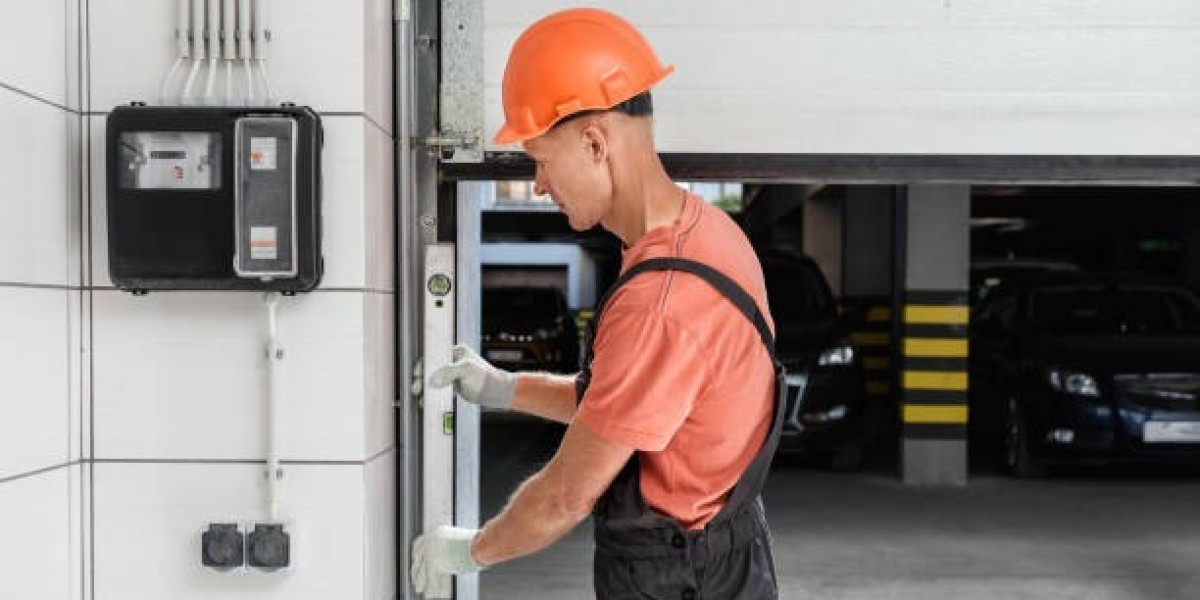

Your garage door stops halfway, makes a horrible grinding sound, or just refuses to budge. So you do what most people do: you start poking around, maybe watch a couple of YouTube videos, and figure you can handle it yourself. Sometimes that works out fine. But a surprising number of homeowners either make the problem worse or put themselves in real danger by skipping a few basic steps. If you're weighing your options for Garage Door Repair in Pottstown PA, knowing what NOT to do first might save you a lot of money and a lot of headaches.
Mistake 1: Touching the Torsion Springs Yourself
This is the big one. Torsion springs sit above the door and hold an enormous amount of tension. We're talking about a coiled spring that's under hundreds of pounds of force at all times. If it snaps while you're working on it, the result can be a serious injury. People have lost fingers. Some have been hospitalized.
Most DIY guides make it sound straightforward. It isn't. You need specialty winding bars, solid knowledge of the spring's wind count, and a healthy respect for what happens when things go sideways. Honestly, this is one repair where calling a professional isn't just the convenient choice, it's the only sensible one. Don't mess with torsion springs. Full stop.
Mistake 2: Ignoring Early Warning Signs
A little grinding noise. A door that's moving slower than it used to. Maybe it shakes a bit on the way down. These things seem minor, and a lot of homeowners just live with them for months. That's a mistake. Small mechanical issues in garage doors don't usually stay small.
A worn roller that costs ten dollars to replace can, if ignored long enough, damage the track to the point where you're looking at a much bigger repair bill. Cables fray gradually before they snap. Hinges get stiff before they break. Catching these things early, when they're cheap and quick to fix, is almost always better than waiting until the door won't open at all and you've got a car trapped inside. Sound familiar? Most people admit they knew something was off weeks before the door actually failed.
The U.S. Consumer Product Safety Commission has documented thousands of garage door-related injuries annually, many of which could have been avoided with earlier attention to warning signs.
Mistake 3: Using the Wrong Lubricant (or Lubricating the Wrong Parts)
Lubrication is one of those things that sounds simple but goes wrong pretty often. People grab whatever spray can is in the garage, usually WD-40, and coat everything in sight. Bad idea. WD-40 is a solvent and a water displacer, not a real lubricant. It actually strips away the grease that metal components need to stay protected.
The tracks, for example, should not be lubricated at all. Putting oil on the tracks makes the rollers slip instead of grip, which throws off the door's movement and can cause it to jump the track entirely. Rollers, hinges, and springs are what you actually want to address, and you want a proper silicone-based spray or white lithium grease for those. Also worth knowing: over-lubricating is just as bad as under-lubricating. A thin coat does the job. A heavy coat attracts dirt and gums everything up within a few weeks.
Mistake 4: Blaming the Opener When the Door Is the Real Problem
The opener gets blamed for everything. Door won't move? Must be the opener. Motor sounds strained? Replace the opener. But a lot of the time, the opener is working exactly as it should. The problem is with the door itself.
Openers have a built-in safety feature that stops the motor if it senses too much resistance. So if your door has a broken spring, a bent panel, or a cable that's come off the drum, the opener will stop because it's not supposed to drag a door that's fighting it. If you go ahead and buy a new opener without fixing the underlying mechanical issue, you'll have the same problem with the new unit within days. Before assuming it's the opener, manually disconnect it and try lifting the door by hand. If it's heavy, uneven, or won't stay up on its own, the door itself needs attention first. Garage Door Repair in Pottstown PA technicians say this misdiagnosis is one of the most common calls they get.
If you're looking at Garage Door Repair Services in Pottstown PA, a good technician will always check the door's balance and spring tension before touching the opener. That's the right order of operations.
Mistake 5: Hiring the First Technician You Find Without Doing Any Homework
When the door is broken and you need your car, the temptation is to just call whoever shows up first on a search result and get them out there fast. Understandable. But rushing that decision can cost you a lot more in the long run.
Some technicians will quote a low service fee and then push unnecessary part replacements once they're on site. Others don't carry proper licensing or insurance, which becomes your problem if something goes wrong during the repair. Always ask for a written estimate before any work starts. Always check reviews, and not just the star rating. Read a few of the actual written reviews to see if people mention honesty, punctuality, and whether the fix actually held. Ollis Entry is one example of a local company that focuses on transparent pricing and documented estimates, which is the kind of thing worth looking for in any contractor you hire.
Also ask whether the technician is familiar with your specific door brand. A tech who works on all kinds of doors will often be more capable than one who only services a single manufacturer's products. And get confirmation that any parts used are OEM or equivalent quality. Cheap aftermarket springs and cables fail faster, and you'll end up paying twice. Garage Door Repair Services in Pottstown PA providers who are upfront about parts sourcing are usually the ones worth trusting.
Frequently Asked Questions
Can I replace a broken torsion spring myself?
Technically yes, but it's not recommended for most homeowners. Torsion springs are under extreme tension and can cause serious injury if they slip or break during installation. Unless you have the right tools and hands-on training, this is one job best left to a licensed technician.
How do I know if my garage door needs repair or full replacement?
If the door is structurally sound and the mechanical components are the issue, repair is usually the smarter call. But if the panels are badly warped, the door is old and has had repeated failures, or the cost of repair is creeping toward the cost of a new door, replacement might make more financial sense. A good technician will give you an honest assessment of both options.
What type of lubricant should I use on my garage door?
Silicone-based spray or white lithium grease works well for hinges, rollers, and springs. Avoid WD-40 for regular maintenance. And don't put any lubricant on the tracks, that's a common mistake that causes more problems than it solves.
How often should a garage door be serviced?
Once a year is a pretty good rule of thumb for most homeowners. A basic tune-up includes checking the spring tension, lubricating the right components, inspecting cables and rollers, and testing the opener's safety reversal. Catching small issues annually keeps the big repairs from sneaking up on you.
Is a noisy garage door always a sign something is wrong?
Not always, but it's worth paying attention to. A little squeaking after the door hasn't been lubricated in a while is normal. Grinding, banging, or a sudden change in how loud the door is, those are signals that something mechanical needs a closer look. Don't just turn up the TV and ignore it.