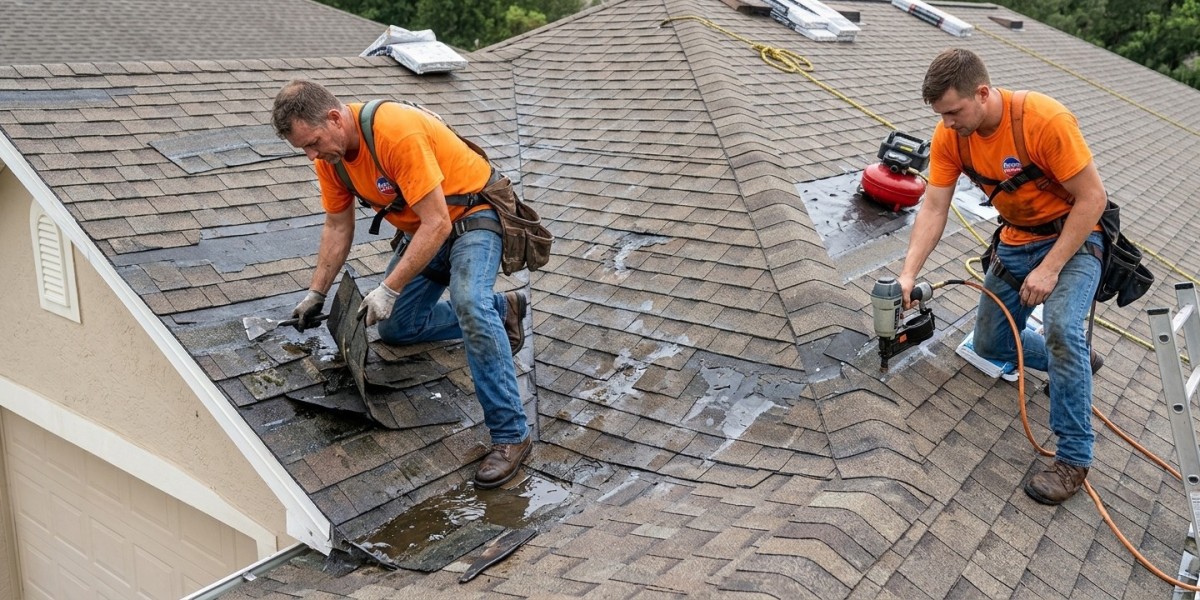

When the Carter family bought their first home, replacing the roof was not part of their immediate plans. The existing roof looked fine from the driveway, but after a seasonal inspection, they learned the roofing materials had reached the end of their expected life. Suddenly, they had an important decision to make. They weren't simply choosing a new roof. They were choosing the roof material that would protect their home for many years.
Like many homeowners, they quickly realized there were more options than expected. Asphalt shingles, metal roofing, slate, and tile each offered different strengths. Every material promised durability, but each one also came with its own maintenance needs, appearance, and expected lifespan.
Choosing the right roof material is about much more than selecting something that looks attractive. It is about understanding how the roof will perform in your climate, how much maintenance it may require, and how well it will protect your home through changing seasons.
"Quality is never an accident. It is always the result of intelligent effort." — John Ruskin
A well-informed decision today often provides years of dependable protection tomorrow.
Why Roof Material Is One of the Most Important Roofing Decisions
The roof helps defend nearly every section of a home. It keeps out rain, shields the structure from sunlight, helps manage temperature, and provides protection during severe weather.
Because the roof performs so many important jobs, choosing the right roof material should never be rushed. Every material responds differently to changing weather, moisture, temperature changes, and aging.
A homeowner who understands these differences is better prepared to choose a roofing system that matches both the home and the local environment.
Every Home Has Different Roofing Needs
No single roofing material is the perfect choice for every house.
A home located in an area with frequent storms may benefit from different materials than one exposed mainly to high temperatures. Roof design, local weather, surrounding trees, and even roof slope all influence which roofing material performs best over time.
Understanding the Most Common Roof Material Options
Today's homeowners have several reliable roofing materials to choose from. Each one offers different advantages depending on the home's location and long-term goals.
Asphalt Shingles
Asphalt shingles remain one of the most widely installed roofing materials because they combine dependable performance with a wide range of design options. They work well for many residential homes and can provide years of protection when properly maintained.
Metal Roofing
Metal roofing is known for its durability and ability to perform well during heavy rain and strong winds. Many homeowners appreciate its long service life and low maintenance requirements.
Clay and Concrete Tile
Clay and concrete tiles are popular for homeowners who want both durability and distinctive architectural style. These materials perform especially well in areas with prolonged sun exposure and changing weather conditions.
Slate Roofing
Slate has earned a reputation as one of the toughest roofing materials available. Its natural stone construction provides outstanding durability, although it generally requires a stronger roof structure because of its weight.
Each roof material offers unique advantages, making it important to compare more than appearance before making a final decision.
Roof Inspection Helps You Choose the Right Roof Material
Before planning a roof replacement, scheduling a professional roof inspection is one of the most valuable steps homeowners can take.
An inspection provides a clear picture of the roof's current condition. In some situations, the existing roofing system may only require repairs. In others, the inspection may show that replacing the roof is the more practical long-term solution.
What Roofing Professionals Evaluate
During a professional inspection, several important areas are carefully examined.
These commonly include:
- Roofing materials
- Flashing
- Roof valleys
- Roof decking
- Ventilation
- Gutters
- Signs of moisture
- Areas affected by weather exposure
Knowing the status of these components helps homeowners select a roofing material that meets the home's actual needs.
Roof Material Should Match Long-Term Goals
Some homeowners plan to stay in their home for decades, while others may move within a few years. Those long-term plans often influence which roofing material makes the most sense.
If long service life is the priority, one material may be more suitable than another. If minimizing maintenance is most important, homeowners may choose differently.
Thinking beyond today's installation cost helps homeowners make decisions they continue appreciating years later.
Looking Beyond Appearance
Color and style certainly matter, but appearance should never be the only factor.
A roofing material should also be evaluated based on durability, maintenance requirements, weather resistance, and expected lifespan.
Balancing appearance with long-term performance often leads to better overall satisfaction.
Comparing Popular Roof Material Choices
The table below highlights some general differences between common roofing materials.
Roof Material | Expected Performance | Maintenance Needs |
Asphalt Shingles | Reliable for many homes | Moderate |
Metal Roofing | Excellent long-term durability | Low |
Clay Tile | Long lifespan | Low |
Concrete Tile | Strong weather resistance | Moderate |
Slate Roofing | Exceptional durability | Low |
Every home is different, so the best roofing material depends on the property's design, local weather, and homeowner priorities rather than simply choosing the most expensive option.
Why Roof Replacement Is an Opportunity
Many homeowners think of a roof replacement as simply replacing old materials. In reality, it is an opportunity to improve the home's protection for many years.
Replacing an aging roof allows homeowners to compare modern roofing materials, improve ventilation if necessary, and choose a roofing system that better matches the home's needs and future plans.
"The bitterness of poor quality remains long after the sweetness of low price is forgotten." — Benjamin Franklin
The right roofing material is easier to choose once you understand the strengths of each option. Combined with a professional roof inspection, homeowners can make confident decisions that support lasting protection and prepare their home for the years ahead.
How Climate Influences Your Roof Material Choice
Weather plays a major role in how long a roof lasts. A roofing material that performs well in one region may not be the best option somewhere else. Homes that experience heavy rain, strong winds, hail, or frequent temperature changes place different demands on a roofing system than homes located in milder climates.
Choosing a roof material that matches local weather conditions helps improve long-term performance and reduces unnecessary stress on the roofing system. Homeowners should think about the environment their roof faces every year instead of focusing only on appearance.
Weather Is Part of Every Roofing Decision
Before making a final decision, it is helpful to consider how often the roof experiences heavy rainfall, strong winds, direct sunlight, or severe storms. These conditions influence how roofing materials age over time and how often maintenance may be needed.
Common Mistakes When Choosing a Roof Material
Selecting a roofing system is a long-term investment, yet many homeowners make decisions based only on the initial price or the way a roof looks from the street.
Choosing a material simply because it is popular may not always be the right choice for every home. Ignoring maintenance requirements or selecting a roofing system that does not match the home's structure can also create challenges later.
Before planning a roof replacement, homeowners should take time to compare durability, expected lifespan, maintenance needs, and overall performance. Looking at the complete picture often leads to a more satisfying decision.
Ask the Right Questions
Before choosing a roofing material, homeowners should consider a few important questions.
- How will this material perform in my local climate?
- How much maintenance will it require?
- Is my roof structure suitable for this material?
- What is the expected lifespan?
- Will this material meet my long-term plans for the home?
Answering these questions makes choosing the right roofing system much easier.
How Modern Roofing USA Helps Homeowners Choose the Right Roof Material
Every home has different roofing needs, which is why Modern Roofing USA begins every project with a detailed roof inspection before recommending a roof replacement. The roofing team carefully evaluates shingles, flashing, roof decking, ventilation, drainage systems, and other important components to understand the condition of the existing roof. This approach allows homeowners to compare roofing materials based on the actual needs of their property instead of making decisions based only on appearance.
For homeowners comparing roofing companies in Raleigh North Carolina, choosing experienced professionals can make the selection process much easier. Modern Roofing USA is committed to quality workmanship, clear communication, and dependable roofing solutions that help homeowners select the right roof material for long-term protection and lasting value.
Roof Inspection Supports Better Roofing Decisions
A professional roof inspection provides valuable information before any roofing work begins. Instead of guessing whether the roof should be repaired or replaced, homeowners receive a clear understanding of the roof's condition.
During an inspection, roofing experts identify worn materials, broken flashing, moisture concerns, ventilation challenges, and other conditions that may compromise future performance. This information helps homeowners decide whether keeping the current roofing system or moving forward with a roof replacement is the better long-term solution.
Information Leads to Better Decisions
Choosing a roofing material without understanding the existing roof is much like planning repairs without knowing the real problem. A thorough inspection provides the information needed to make confident decisions.
A Roof Material Is Only as Good as Its Installation
Even the highest-quality roofing material cannot perform as expected if it is installed incorrectly. Proper installation allows every part of the roofing system to work together, helping the roof manage rainwater, resist wind, and provide reliable protection.
Carefully installed flashing, ventilation, underlayment, and drainage systems all contribute to the long-term success of the roofing project. Paying attention to these details helps homeowners receive the full benefit of their chosen roofing material.
“Success depends upon previous preparation.” — Confucius
Careful planning before installation often leads to better performance long after the project is complete.
Final Thoughts
Selecting the appropriate roof material is one of the most critical decisions a homeowner can make. Every roofing material offers different advantages, and the best choice depends on your home's design, local climate, maintenance expectations, and long-term goals. Taking time to compare available options helps homeowners choose a roofing system that provides dependable protection for years to come.
A professional roof inspection is an important part of that decision. Understanding the condition of the existing roof makes planning a roof replacement much easier and helps homeowners select materials that match their property's actual needs. With thoughtful planning, quality installation, and regular maintenance, the right roofing system can continue protecting a home through every season while providing confidence for the future.
Visit for news and updates at peruactivo.com