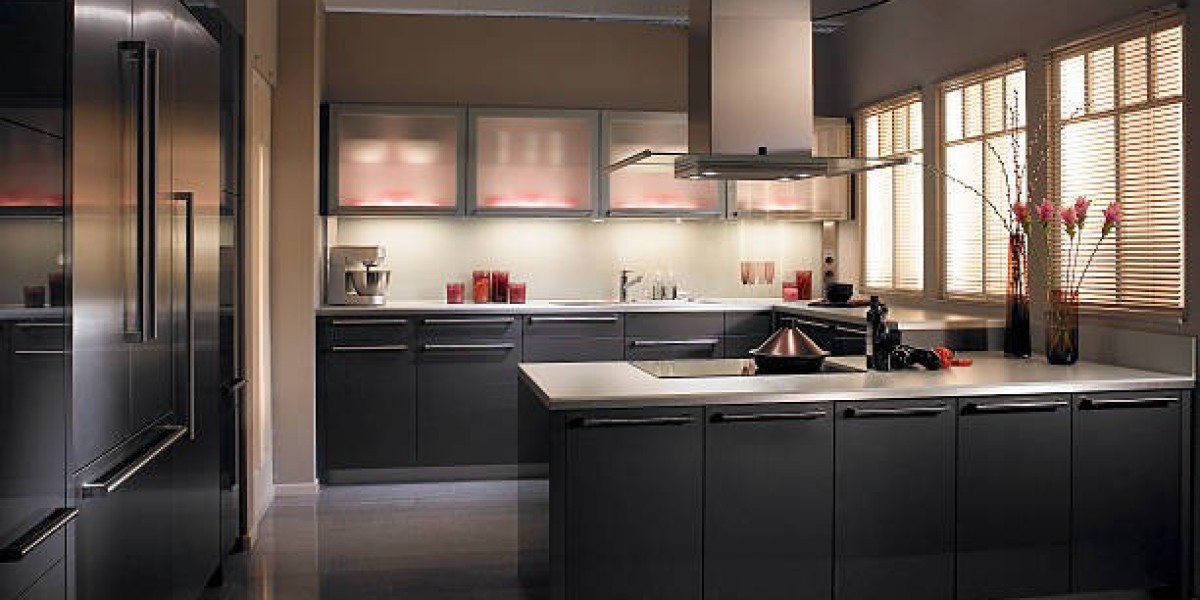

SS Modular Kitchen: Why Your Next Kitchen Should Be Steel, Not Wood
Scroll through kitchen renovation posts for five minutes and you'll keep running into the same term — SS Modular Kitchen. It's not just a trend word. There's an actual reason it keeps coming up. Indian kitchens take a beating — oil, steam, constant scrubbing, monsoon humidity, sometimes even pests — and plain wood or ply cabinets just don't survive that for very long. Most people find out the hard way, usually around year four or five, when the shutters start swelling or the hinges give up.
So what's everyone switching to? Stainless steel. Not exactly a new idea — your grandmother probably had steel dabbas in her kitchen forty years ago — but using it for the entire modular setup, cabinets and all, is newer. And it's picking up pace fast, especially in cities and coastal areas where wood just doesn't stand a chance against the weather.
Why People Are Actually Switching
Forget the sales talk for a second. Here's what real homeowners actually say once they've lived with one for a couple of years:
- Termites don't touch it. Wood is basically an open invitation for termites in humid weather. Steel doesn't give them anything to chew on.
- It doesn't rust — as long as you're using the right grade, which we'll get to.
- Cleaning takes seconds. A wet cloth, done. No swelling, no peeling laminate, no weird smells building up over time.
- It just lasts. A decent steel kitchen will outlive two or three wooden ones, easily.
- Handles heat well, which matters a lot right next to the stove, where wood-based units usually show damage first.
- Resale value tends to be better, because buyers know what they're getting.
- Better for the environment, since it's recyclable and doesn't need trees cut down.
To be fair, wood and laminate kitchens aren't bad — they've got their own look and they're usually cheaper upfront. If budget is the main concern, they still make sense. But if you're tired of repairing your kitchen every couple of years, steel is the one that actually holds up.
The Grade You Choose Actually Matters
This is the part most people skip, and it's the part that matters most. Not all stainless steel is the same. You'll mostly come across two options:
- 202 grade – cheaper, decent quality, fine for areas that don't get too wet
- 304 grade – has more chromium and nickel, so it resists rust much better — ideal near the sink and stove where there's constant water and steam
A trustworthy manufacturer will actually tell you which grade goes where, without you having to ask twice. If someone just says "it's steel" and moves on without specifics, that's worth pushing back on a little.
It's Not as "Industrial" as You Think
A lot of people assume steel kitchens will look cold or hospital-like. That reputation is pretty outdated at this point. Brushed finishes, matte textures, PVD coatings — modern steel kitchens can look genuinely premium, closer to what you'd expect from a European kitchen brand than a factory floor.
You can still mix in wood-textured laminates, stone countertops, or coloured panels, so the final result feels warm and personal, not sterile. Steel does the heavy lifting structurally, and you get to decide how it looks. Most people who see a finished one in person are surprised — it's rarely what they pictured going in.
Things Worth Checking Before You Commit
If you're leaning toward steel for your own kitchen, a few things are worth asking about before you sign anything:
- Which grade of steel is used, and where exactly in the kitchen
- Whether the design is actually built for your space, not a template they reuse for everyone
- The quality of hinges and hardware — this is usually where budget kitchens fail first, not the steel itself
- What the warranty actually covers, especially structural parts
- Whether you can see real installed kitchens, not just polished catalogue shots
- A clear timeline for delivery and fitting, since delays are pretty common in this industry
A kitchen isn't something you replace every couple of years, so it's worth the extra ten minutes of asking questions upfront.
Who This Actually Makes Sense For
It's not for absolutely everyone, but it makes a lot of sense if:
- You live somewhere humid or coastal
- You've already dealt with termites or pest damage once
- You want something that just works for the next 15-20 years without fuss
- You like a clean, modern look over a heavier traditional one
- You're fitting out a rental and don't want repair calls every year
What About the Cost?
Yes, steel kitchens usually cost more upfront than basic laminate ones. No point pretending otherwise. But add up what you'd spend repairing or replacing a wood kitchen every few years, and the gap closes fast — sometimes steel even ends up cheaper once you look at it over a decade or more.
Final Thoughts
At the end of the day, it comes down to what you're optimising for. Looks and lower upfront cost, or something that just keeps working without drama for the next couple of decades. If you're the second kind of person, an SS Modular Kitchen is worth a serious look.
Companies like AMEDEO, working with 202 and 304 grade steel and designing around your actual kitchen space instead of a fixed mould, are a decent example of how far this category has come. Steel doesn't have to mean boring or industrial anymore — it just means one less thing to worry about later.